
Introduction to the security landscape in the Arabian Gulf
Amid the rapid and complex geopolitical shifts in the Middle East, a broad strategic debate is emerging regarding the impact of declining Iranian capabilities, both economic and conventional military, on the security and stability of the Gulf Cooperation Council (GCC) states. Despite the harsh economic sanctions imposed by the United States and the international community, and the successive internal crises plaguing Tehran and affecting its infrastructure, military and strategic experts categorically assert that this decline does not, in any way, signify the disappearance of the Iranian threat or a reduction in the direct and indirect threats directed at the GCC countries.
The historical context of Iran's military strategy
To understand the nature of the ongoing threat, one must delve into the historical context of Iranian military doctrine, which has been developing since 1979. Tehran recognized very early on its inability to match the overwhelming conventional and technological military superiority of the Gulf states and their Western allies. As a result of this imbalance of power, the Iranian leadership adopted a strategy known as “asymmetric warfare” or “proxy warfare.” This strategy relies primarily and systematically on building and funding a vast network of proxies and armed militias in several Arab countries, such as Iraq, Syria, Lebanon, and Yemen. Alongside this, Iran has focused its efforts on developing a massive arsenal of ballistic missiles and suicide drones as an effective substitute for its aging air force.
Why doesn't the Iranian retreat end the threat to Gulf security?
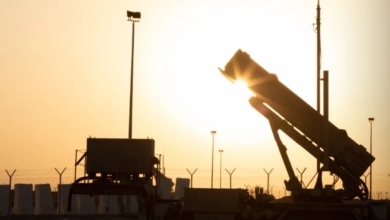
The decline in Iran’s conventional capabilities, exemplified by the aging of its traditional air and naval forces and the difficulty of modernizing them due to the arms embargo, is offset by a significant focus on unconventional weapons and hybrid warfare. Drones and precision-guided cruise missiles are low-cost, high-impact weapons that have proven capable of posing a real threat and overcoming some advanced defense systems. Furthermore, Iran continues to employ cyberattacks as an effective strategic tool to target critical infrastructure, financial sectors, and government institutions in neighboring countries, without leaving a clear footprint that would lead to international condemnation or direct military escalation.
Expected impacts: locally, regionally, and internationally
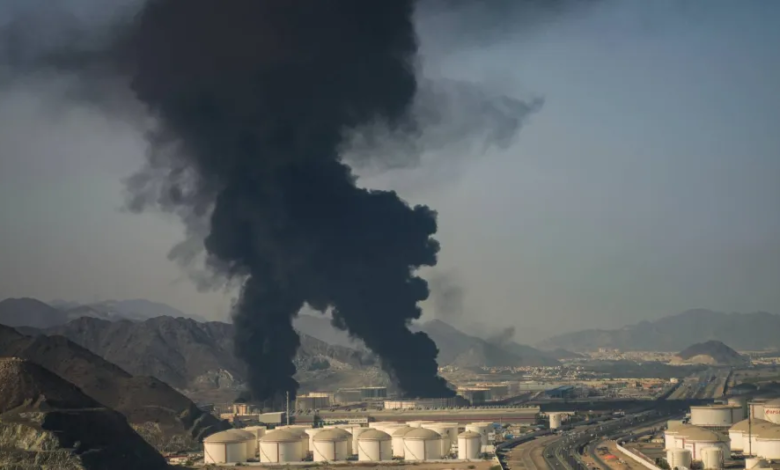
At the local and regional levels, the security threat remains significant against vital oil installations, desalination plants, and maritime traffic in strategic waterways such as the Strait of Hormuz, the Bab el-Mandeb Strait, and the Red Sea. This situation places regional energy security under constant strain and threatens economic stability. Past attacks, such as the targeting of Saudi Aramco facilities in the fall of 2019, have demonstrated how relatively inexpensive weapons can temporarily disrupt global energy supplies and create market turmoil.
At the international level, any military escalation or threat to Gulf security has an immediate and direct impact on global energy markets, supply chains, and international trade. This close interdependence makes the security of the Arabian Gulf an integral part of global national security, compelling major powers such as the United States, European countries, and even China to maintain an active military and diplomatic presence in the region to ensure the safe and stable flow of oil and gas, thus sustaining the global economy.
Summary: The required Gulf deterrence strategy
In conclusion, it is clear that the decline in Iranian capabilities in some traditional economic and military sectors does not eliminate the persistent strategic threat posed by Tehran through its proxies and asymmetric weapons. This complex geopolitical reality necessitates that the Gulf Cooperation Council (GCC) states continue relentlessly to modernize their defense systems, strengthen joint security and intelligence cooperation, and develop their own capabilities in cybersecurity and integrated air defense. Maintaining a regional balance of power and building strong and sustainable international alliances remains the best way to ensure the region's stability and prosperity in the face of ongoing challenges and threats.