Venezuelan president calls on Trump for dialogue, and Trump threatens Maduro with the same fate

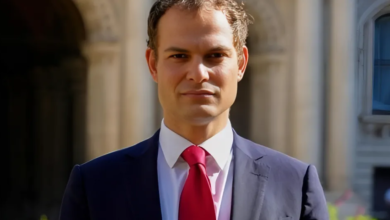
In a dramatic turn of events in Latin America's political landscape, Venezuela's interim president, Delcy Rodríguez, issued a formal and direct invitation to US President Donald Trump, urging him to establish a balanced and mutually respectful relationship between Caracas and Washington. This invitation comes in the wake of the political and security upheaval that rocked the country following the arrest of President Nicolás Maduro and his wife, Cilia Flores, during a surprise US military operation.
A call for dialogue and sovereignty
In her first statement after assuming office by appointment of the Supreme Court and with the recognition of the military, Rodriguez wrote a clear message on Telegram, emphasizing that the top priority during this transitional phase is pursuing healthy international relations. She stated, "Our priorities include striving for a balanced and respectful international relationship between the United States and Venezuela, as well as between Venezuela and other countries in the region, based on sovereign equality and non-interference.".
In her letter to the White House, Rodriguez added: "We invite the United States government to work together on a cooperative agenda focused on shared development within the framework of international law in order to promote sustainable social coexistence," stressing that the Venezuelan people and the entire region deserve "peace and dialogue, not war," a message she affirmed has always been at the heart of the policies of imprisoned President Nicolas Maduro.
Washington warns of a "heavy price"
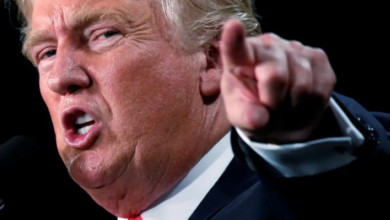
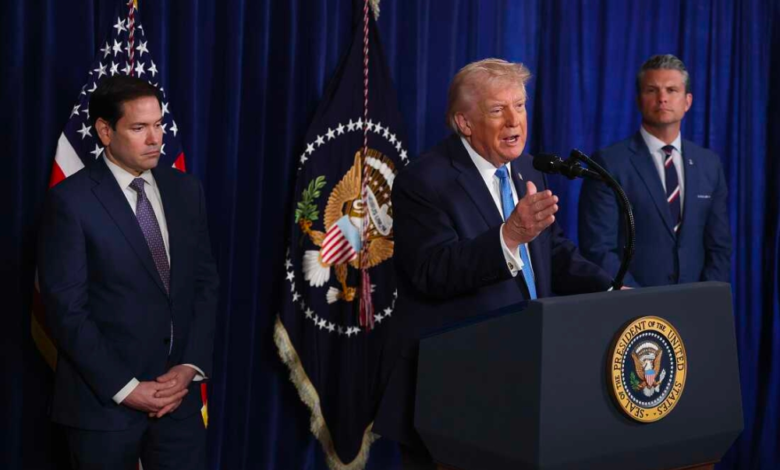
On the other hand, the American response was laden with stern warnings. In a telephone interview with The Atlantic magazine, President Donald Trump cautioned the interim president against failing to fully cooperate with Washington. "Unless you do the right thing," Trump said sharply, "you will pay a very heavy price, perhaps even more than Maduro," a clear reference to the fate of her predecessor, who was captured by US special forces.
US officials, including Secretary of State Marco Rubio, have not hidden the strategic objectives behind this escalation, hinting at the possibility of cooperating with the remnants of the Maduro administration on the condition that "correct" steps are taken, foremost among them allowing US companies to benefit from Venezuela's enormous oil reserves.
Context of the conflict and historical background
This event cannot be separated from a long history of tension between Washington and Caracas. The United States has consistently viewed the Venezuelan regime, from Hugo Chávez to Maduro, as a threat to its interests in the Western Hemisphere. For years, Washington has imposed crippling economic sanctions targeting the oil and gold sectors, the lifeblood of the Venezuelan economy, leading to an economic crisis and unprecedented hyperinflation.
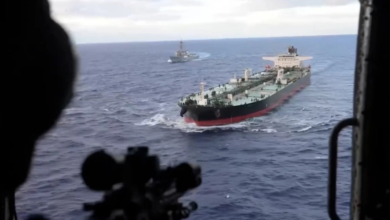
The latest military operation comes as the culmination of previous US accusations against Maduro and senior officials of involvement in "narco-terrorism," with the US Department of Justice offering substantial rewards for information leading to their capture. Observers believe this latest US move aims to reshape the geopolitical landscape in South America and secure energy supplies.
Strategic importance and impact of the event
This event is of paramount importance given Venezuela's position in the global energy market, as the country possesses the world's largest proven oil reserves. The rise of a pro-Washington or US-aligned administration in Caracas could drastically alter global oil prices and US energy security.
Regionally, Maduro's arrest presents Latin American countries with a new reality that may force leftist governments in the region to reconsider their policies, while any prolonged instability could lead to new waves of migration affecting neighboring countries and the United States itself. The question remains: will Rodriguez's call for a new beginning succeed, or will Washington's "oil" demands push the country toward further confrontation?