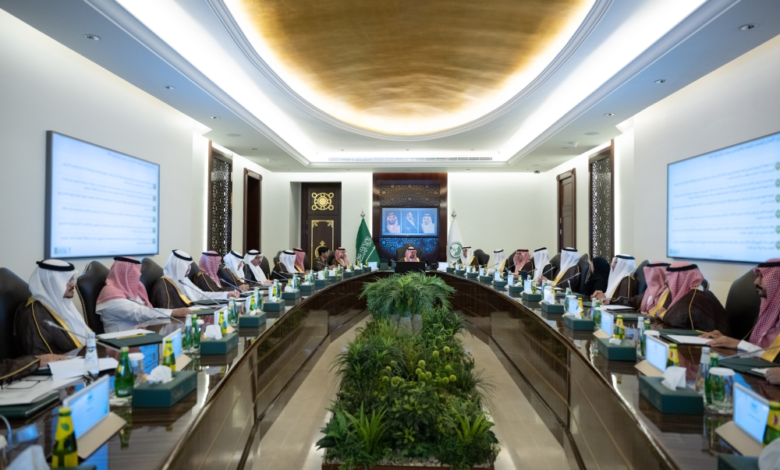

في إطار الاستعدادات المكثفة لاستقبال موسم الذروة السنوي، ترأس صاحب السمو الملكي الأمير سعود بن مشعل بن عبدالعزيز، نائب أمير منطقة مكة المكرمة ونائب رئيس لجنة الحج والعمرة، اجتماع اللجنة الدائمة للجنة، وذلك إنفاذاً لتوجيهات مستشار خادم الحرمين الشريفين أمير منطقة مكة المكرمة، صاحب السمو الملكي الأمير خالد الفيصل. وقد ركز الاجتماع، الذي عُقد في مقر الإمارة بجدة، على مراجعة واعتماد الخطط التشغيلية لضمان جاهزية الجهات المعنية لاستقبال شهر رمضان المبارك.
وتأتي هذه التحركات المكثفة في سياق الاهتمام البالغ الذي توليه المملكة العربية السعودية لخدمة ضيوف الرحمن، وتماشياً مع مستهدفات رؤية المملكة 2030 التي تسعى لتيسير استضافة قاصدي الحرمين الشريفين وتقديم أفضل الخدمات لهم. ويُعد موسم رمضان بمثابة اختبار حقيقي وجوهري لكافة القطاعات العاملة في الحرم المكي، نظراً للكثافة العددية الهائلة المتوقعة من المعتمرين والمصلين من داخل المملكة وخارجها، مما يستدعي تنسيقاً عالي المستوى بين كافة الجهات الأمنية والخدمية والصحية.
وخلال الاجتماع، اطلعت اللجنة بشكل مفصل على خطط التوسع في تفعيل مؤشرات الأداء لقياس جودة الخدمات المقدمة في المسجد الحرام. وشملت النقاشات مراجعة جاهزية البنية التحتية والمرافق الحيوية، بما في ذلك صحن المطاف، ومباني التوسعة السعودية الثالثة، والساحات الخارجية، والجسور، وأنفاق المشاة، بالإضافة إلى محطات النقل المؤقتة. وأكدت اللجنة على ضرورة تكامل الجهود لضمان انسيابية حركة الحشود وسلامة المصلين والمعتمرين، وتفادي أي تكدسات قد تعيق أداء المناسك بيسر وسهولة.
وعلى صعيد التحول الرقمي والخدمات الذكية، استعرض الاجتماع حزمة من المبادرات التطويرية التي تهدف لإثراء تجربة الزائر، ومن أبرزها توفير خرائط إرشادية رقمية وشاشات تفاعلية تعمل بعدة لغات عالمية لتوجيه القاصدين، إلى جانب تطوير مراكز حفظ الأمتعة. وتعد هذه الخطوات جزءاً من استراتيجية شاملة لتحويل الحرم المكي إلى بيئة ذكية تساهم في تسهيل التنقل وتقليل الجهد والوقت على ضيوف الرحمن.
وفيما يخص المنظومة الصحية، وقفت اللجنة على الاستعدادات الطبية لضمان سلامة الزوار، حيث تم استعراض جاهزية المراكز الصحية داخل الحرم وفي المنطقة المركزية، والمستشفيات المرجعية، والفرق الإسعافية الميدانية، بالإضافة إلى مهابط الطيران للإخلاء الطبي. وتهدف هذه الإجراءات لضمان سرعة الاستجابة لأي حالات طارئة وتقديم رعاية طبية فائقة الجودة خلال أوقات الذروة في الشهر الفضيل.
واختتمت اللجنة اجتماعها بمناقشة الاستعدادات المبكرة لموسم الحج القادم، مؤكدة أن النجاح في إدارة موسم رمضان يمثل ركيزة أساسية للتحضير لموسم الحج، مما يعكس الدور الريادي للمملكة ومكانتها الإسلامية في رعاية المقدسات وتوفير الأمن والأمان لقاصديها.