Destruction of 105 missiles and 176 drones: Details of the Iranian escalation

Developments in the security escalation in the Middle East
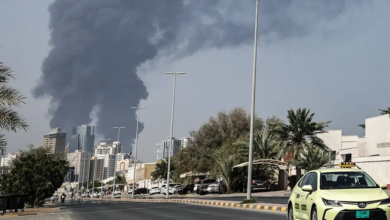
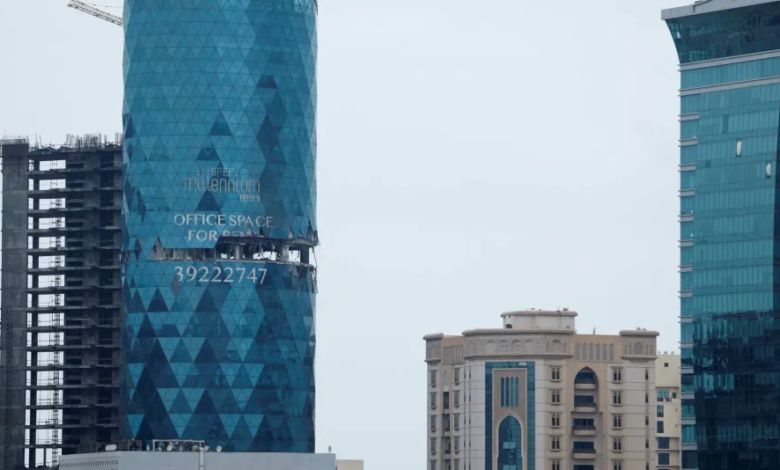
In a significant development reflecting the unprecedented security tensions in the Middle East, news reports and updates, including those from regional security leaders in Bahrain, which hosts the US Fifth Fleet, indicate the destruction of 105 missiles and 176 drones since the start of the latest wave of Iranian attacks and escalation. This event represents a dangerous strategic turning point in the nature of the conflict in the region, as confrontations have shifted markedly from traditional proxy wars to direct confrontations employing a massive arsenal of advanced offensive weapons.
General context and historical background of the event
These military developments come within a complex historical context of escalating geopolitical tensions between Iran, regional states, and Western powers. For years, Tehran has relied on a proxy war strategy, supporting and funding armed groups in several Arab countries. However, the recent escalation, which included the launch of hundreds of suicide drones, ballistic missiles, and cruise missiles, was a direct response to attacks targeting vital Iranian interests. This radical shift toward direct offensive action has prompted an unprecedented mobilization of regional and international air defense systems. The US Central Command, which coordinates its operations closely with its strategic allies in the region, is playing a pivotal role in detecting and intercepting these aerial threats before they reach their targets, thus preventing the region from sliding into a full-blown war.
The importance of the event and its expected regional and international impact
Regionally, the destruction of this massive number of missiles demonstrated the significant effectiveness of joint security and defense coordination among allied nations. This dangerous escalation led to the temporary closure of airspace in several Middle Eastern countries, severely impacting civil and commercial air traffic and creating a climate of heightened anticipation and caution in local markets. Internationally, this event sends a strong and clear message about the commitment of major powers to protecting maritime security and the stability of the Middle East. It also has direct economic repercussions, as global energy markets and oil prices are affected by any threat to the security of the Arabian Gulf and strategic waterways.
The role of air defense systems in protecting stability
The success of these aerial interception operations was instrumental in preventing catastrophic human and material losses that would have drastically altered the region. These complex operations employed sophisticated, multi-layered air defense systems, ranging from interceptor fighter jets that shot down drones beyond the borders to advanced missile defense systems that effectively countered ballistic missiles. This tactical success underscores the importance of continued investment in air defense technology and expanding regional security cooperation to address any future threats.