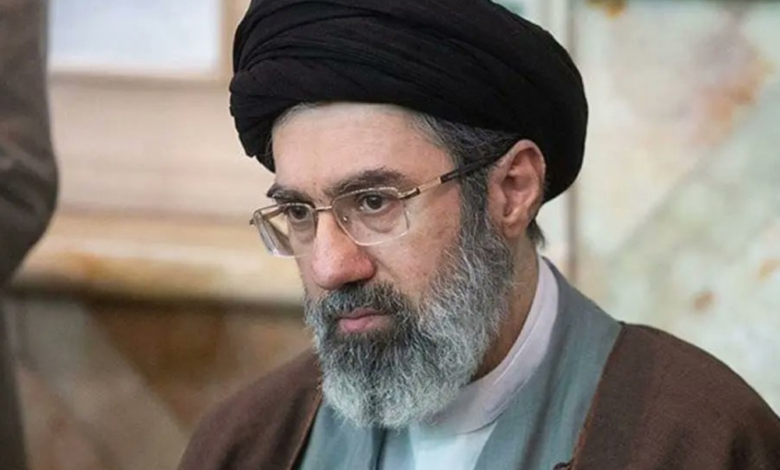

كشفت مصادر طبية وسياسية إيرانية عن تفاصيل جديدة ونادرة تتعلق بيوم إصابة المرشد الإيراني الجديد، مجتبى خامنئي، وذلك على خلفية الغارات الأمريكية الإسرائيلية التي استهدفت مواقع حساسة في إيران أواخر شهر فبراير الماضي. وتأتي هذه التسريبات في وقت تشهد فيه منطقة الشرق الأوسط تصعيداً عسكرياً غير مسبوق، مما يجعل الحالة الصحية للقيادة الإيرانية محط أنظار المجتمع الدولي.
تفاصيل إصابة مجتبى خامنئي في طهران
أكد المتحدث باسم وزارة الصحة الإيرانية، حسين كرمانبور، أن الإصابات التي تعرض لها مجتبى خامنئي كانت طفيفة ولم تشكل أي خطر حقيقي على حياته. وأوضح كرمانبور أن المرشد الجديد وصل إلى أحد المستشفيات الكبرى في العاصمة طهران ظهر يوم 28 فبراير، برفقة عدد من المصابين جراء الهجمات العنيفة التي ضربت البلاد. وقد تزامنت هذه الأحداث مع اندلاع مواجهات عسكرية واسعة النطاق في المنطقة.
وفي تصريحات نقلتها وكالة أنباء العمال الإيرانية، أشار كرمانبور إلى أن الإصابات اقتصرت على جروح سطحية طالت الوجه، الرأس، والساقين. ولم تستدعِ الحالة أي تدخلات طبية جراحية معقدة، بل اكتفى الفريق الطبي بإجراء بعض الغرز البسيطة. وما لفت الانتباه هو استقرار حالته الصحية بشكل سريع، حيث أصر مجتبى خامنئي على مواصلة الصيام خلال شهر رمضان المبارك رغم تواجده في المستشفى، رافضاً الإفطار حتى موعد أذان المغرب، وهو ما اعتبره المسؤولون مؤشراً قوياً على تمتعه بصحة جيدة وقدرة على التحمل. وقد غادر المستشفى في الساعات الأولى من يوم الأول من مارس متوجهاً إلى جهة غير معلومة لدواعٍ أمنية.
الخلفية التاريخية والصعود إلى السلطة
يُعد مجتبى خامنئي، النجل الثاني للمرشد السابق علي خامنئي، أحد أبرز الشخصيات النافذة في الكواليس السياسية والأمنية الإيرانية منذ عقود. ارتبط اسمه بشكل وثيق بالحرس الثوري الإيراني وقوات التعبئة (الباسيج)، ولعب دوراً محورياً في إدارة العديد من الملفات الداخلية الحساسة. لسنوات طويلة، كان المحللون والخبراء في الشأن الإيراني يرون فيه المرشح الأوفر حظاً لخلافة والده، نظراً لشبكة علاقاته القوية مع المؤسسة العسكرية ورجال الدين المحافظين، مما مهد الطريق لانتقال السلطة إليه في هذه الظروف الاستثنائية.
تأثير الحدث على المشهد الإقليمي والدولي
تأتي هذه التطورات بعد غياب مجتبى خامنئي عن الظهور العلني منذ توليه منصب المرشد الأعلى خلفاً لوالده، الذي أُعلن عن مقتله خلال اليوم الأول من الهجوم الأمريكي الإسرائيلي المشترك. هذا الحدث المفصلي فجّر حرباً واسعة في الشرق الأوسط، مما وضع طهران وحلفاءها أمام تحديات كبرى. إن انتقال السلطة في ظل هذه الظروف يحمل تداعيات عميقة على الأمن الإقليمي، حيث تراقب العواصم الغربية عن كثب توجهات القيادة الجديدة في التعامل مع العمليات العسكرية وإدارة الأزمات.
كسر العزلة وتوجيهات عسكرية جديدة
خلال الأشهر الماضية، أثار غياب خامنئي المتواصل تكهنات واسعة بشأن وضعه الصحي، خاصة بعد تصريحات وزير الدفاع الأمريكي، بيت هيغسيث، التي رجح فيها تعرض المرشد لإصابة بالغة. ومع ذلك، سعت طهران لتبديد هذه الشائعات؛ ففي شهر مايو الجاري، أعلن الرئيس الإيراني مسعود بزشكيان عن عقده اجتماعاً مطولاً مع المرشد الأعلى استمر لنحو ساعتين ونصف. وفي سياق متصل، أفاد التلفزيون الرسمي الإيراني لاحقاً بأن قائد مقر خاتم الأنبياء، علي عبد الله علي آبادي، التقى بمجتبى خامنئي، حيث أصدر الأخير توجيهات استراتيجية جديدة لمواصلة العمليات العسكرية، مما يؤكد إمساكه بزمام الأمور وإدارته المباشرة للمعركة.