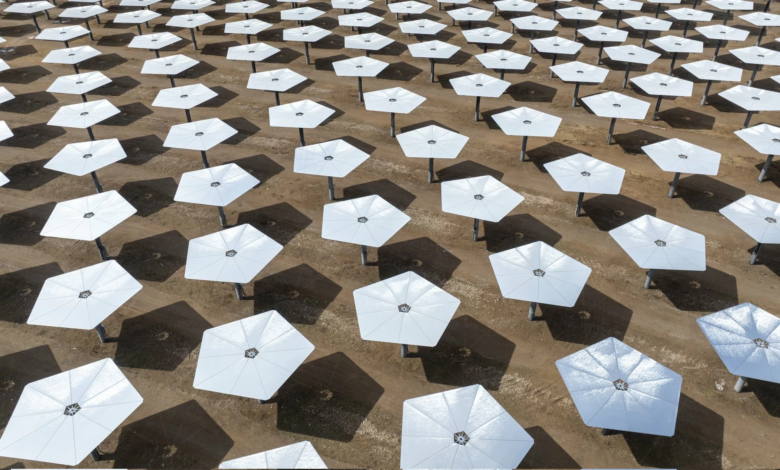

يشهد العالم تحولاً جذرياً في قطاع الطاقة، حيث أصبح تطوير الطاقة النظيفة ليس مجرد خيار بيئي، بل ضرورة اقتصادية واستراتيجية تتبناها الدول والشركات الكبرى على حد سواء. وتواصل العديد من الشركات ابتكار آليات جديدة للاستفادة من مصادر الطاقة المتجددة، مثل الطاقة الشمسية وطاقة الرياح، مدفوعة بالانخفاض الملحوظ في تكاليفها المالية وتأثيرها البيئي المحدود مقارنة بالوقود الأحفوري. وتُظهر الصور الواردة من الصين، كما أشار تقرير “إيكونومي دايلي” الصيني، قيام إحدى الجهات بتركيب ألواح شمسية على نطاق واسع، مما يعكس حجم الاستثمار والتقدم في هذا المجال الحيوي.
من الوعي البيئي إلى الهيمنة الاقتصادية
لم يكن التحول نحو الطاقة النظيفة وليد اللحظة، بل هو نتاج عقود من الوعي المتزايد بقضايا التغير المناخي والاحتباس الحراري. فمنذ منتصف القرن العشرين، بدأت التحذيرات العلمية تتصاعد بشأن الآثار السلبية لحرق الوقود الأحفوري. ومع توقيع اتفاقيات دولية تاريخية مثل اتفاقية باريس للمناخ، تحول الالتزام البيئي إلى سياسات حكومية ملموسة، مما حفز الاستثمارات في البحث والتطوير. في البداية، كانت تكاليف إنتاج الكهرباء من المصادر المتجددة باهظة، لكن مع التقدم التكنولوجي الهائل، خاصة في صناعة الألواح الشمسية وتوربينات الرياح، انخفضت الأسعار بشكل كبير لتصبح قادرة على منافسة المصادر التقليدية، بل وتتفوق عليها في كثير من الأحيان من حيث الجدوى الاقتصادية على المدى الطويل.
الصين تقود مسيرة تطوير الطاقة النظيفة
تعتبر الصين اليوم لاعباً محورياً في سوق الطاقة المتجددة العالمية. فبعد أن كانت تعتمد بشكل كبير على الفحم، اتخذت بكين قراراً استراتيجياً بالاستثمار بكثافة في تطوير الطاقة النظيفة، لتتحول إلى أكبر منتج ومستهلك للطاقة المتجددة في العالم. لم يقتصر دورها على تلبية الطلب المحلي الهائل، بل أصبحت المُصنِّع الأكبر للألواح الشمسية، حيث ساهم إنتاجها الضخم في خفض التكاليف عالمياً وجعل الطاقة الشمسية في متناول عدد أكبر من الدول والمجتمعات. إن المشاريع العملاقة، مثل بناء مزارع شمسية شاسعة في الصحاري الصينية، لا تبرز قدرتها التكنولوجية فحسب، بل تؤكد أيضاً على رؤيتها المستقبلية لتحقيق أمن الطاقة وتقليل الانبعاثات الكربونية.
التأثيرات العالمية للتحول الأخضر
إن التحول نحو الطاقة النظيفة يحمل في طياته تأثيرات عميقة تتجاوز مجرد حماية البيئة. فعلى الصعيد الاقتصادي، يخلق هذا القطاع ملايين الوظائف الجديدة في مجالات التصنيع والتركيب والصيانة والهندسة. كما أنه يساهم في تعزيز استقلال الدول في مجال الطاقة عبر تقليل اعتمادها على أسواق النفط والغاز المتقلبة. أما على المستوى الجيوسياسي، فإنه يعيد تشكيل موازين القوى العالمية، حيث تنتقل الأهمية الاستراتيجية تدريجياً من الدول الغنية بالنفط إلى الدول الرائدة في تكنولوجيا الطاقة المتجددة. وفي النهاية، يمثل هذا التحول أملاً حقيقياً للأجيال القادمة في كوكب أكثر استدامة وأماناً.