
تطور الرعاية الصحية في الحج: من الميدان إلى الفضاء الرقمي
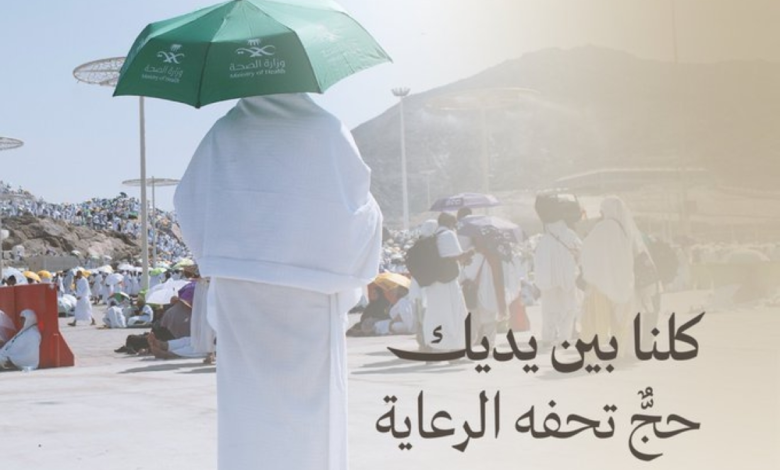
تواصل وزارة الصحة في المملكة العربية السعودية ريادتها في تقديم أفضل الخدمات لضيوف الرحمن، من خلال تطوير منظومتها الصحية الرقمية وتوسيع نطاق الخدمات الطبية الافتراضية. تاريخياً، كانت الرعاية الصحية خلال مواسم الحج تعتمد بشكل أساسي على المستشفيات الميدانية والعيادات المتنقلة التي تبذل جهوداً مضنية للتعامل مع الحشود المليونية. ومع التطور التكنولوجي المتسارع والدروس المستفادة من إدارة الأزمات الصحية، أدركت المملكة أهمية التحول الرقمي لضمان استدامة وكفاءة الخدمات. واليوم، تأتي هذه الخطوات التطويرية لتتوافق تماماً مع مستهدفات برنامج تحول القطاع الصحي، وهو أحد الركائز الأساسية المنبثقة من رؤية المملكة 2030، والذي يهدف إلى تسهيل الوصول إلى الخدمات الصحية ورفع جودتها الشاملة.
مستشفى صحة الافتراضي: نقلة نوعية في الطب الحديث
يلعب “مستشفى صحة الافتراضي” دوراً محورياً في دعم المنظومة الصحية خلال موسم الحج. يقدم المستشفى حزمة متكاملة من الخدمات الطبية الافتراضية التي تعزز كفاءة التشخيص وتسرع الاستجابة. وتشمل هذه الخدمات دعم التشخيص الطبي عبر تقنيات الأشعة الافتراضية، وتحليل الصور الطبية باستخدام أحدث تقنيات الذكاء الاصطناعي، مما يتيح إصدار تقارير دقيقة وفورية تدعم اتخاذ القرار السريري السليم. إلى جانب ذلك، يوفر المستشفى خدمات متقدمة لتشخيص السكتات الدماغية عن بُعد، مما يسهم في تسريع التدخل الطبي وتقليل المضاعفات الخطيرة التي قد تهدد حياة الحاج وتيسير وصولهم للخدمة دون عناء التنقل.
خدمات صحية مبتكرة: مبادرة “رفيق رحلتك”
لضمان سلامة الحجاج في كل خطوة، يقدم المستشفى خدمات المتابعة الصحية عن بُعد عبر خدمة “رفيق رحلتك”. تعتمد هذه الخدمة المبتكرة على أجهزة استشعار ذكية تمكّن الكوادر الطبية من متابعة المؤشرات الحيوية للحجاج بشكل مستمر لحظة بلحظة. هذا التتبع الدقيق يسمح بالتنبؤ المبكر بأي تراجع في الحالة الصحية للحاج، مما يعزز سلامة المرضى ويرفع جودة الرعاية الصحية المقدمة لضيوف الرحمن.
دعم الطوارئ والفرق الميدانية
لا تقتصر الخدمات الافتراضية على المتابعة الفردية، بل تمتد لدعم أقسام الطوارئ في المستشفيات والمراكز الصحية، من خلال إتاحة الاستشارات الفورية للأطباء، مما يعزز سرعة الفرز الطبي ودقة اتخاذ القرارات العلاجية. كما يتم تقديم دعم حيوي للفرق الميدانية في التعامل مع الحالات الطارئة عبر الاستشارات عن بُعد، ومساندة مدن واستراحات الحجاج في المنافذ البرية، مما يرفع كفاءة الاستجابة خلال ذروة الموسم.
تأثير محلي ودولي لإدارة الحشود الصحية
وفرت الوزارة قنوات متعددة للاستشارات الطبية الفورية على مدار الساعة، أبرزها مركز الاتصال الموحد (937) والمنصات الرقمية. هذا التنوع يضمن تقديم الرعاية في الوقت المناسب ويخفف الضغط على المنشآت الصحية في المشاعر المقدسة. إن الأهمية الاستراتيجية لهذا الحدث تتجاوز النطاق المحلي؛ فنجاح السعودية في إدارة صحة الحشود المليونية رقمياً يضع معياراً دولياً جديداً في الطب التجمعي وإدارة الحشود. كما أن الحفاظ على صحة الحجاج يعني حماية الأمن الصحي الإقليمي والدولي عند عودتهم إلى بلدانهم. يجسد هذا التكامل بين التقنيات الحديثة والخدمات الميدانية التزام المملكة بتقديم نموذج متقدم وموسم حج آمن وصحي.