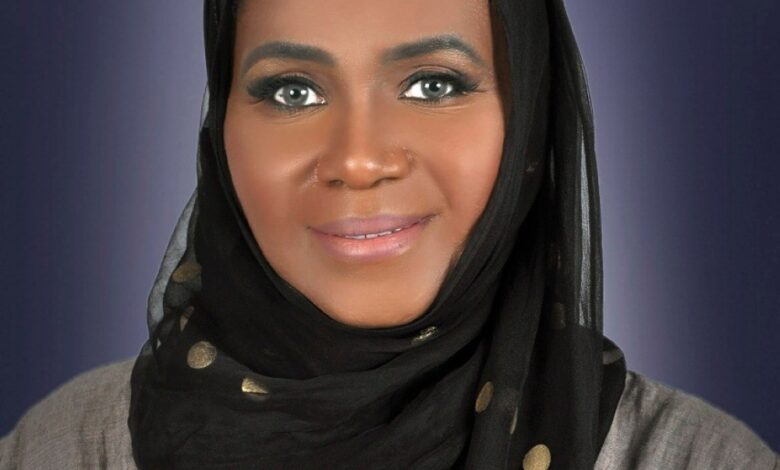
Haifa Al-Barqawi: Digital transformation in education is a pillar of justice

In an in-depth analytical reading of the reality and future of the education sector in the Kingdom of Saudi Arabia, Dr. Haifa Al-Barqawi, an expert in digital transformation strategies, confirmed that technology has gone beyond being a recreational or supplementary option in the educational system, to become an indispensable existential pillar for achieving social justice and equal opportunities among all students.
Digital transformation: From luxury to necessity
In an interview with Al-Youm newspaper, Al-Barqawi explained that the concept of digital transformation has brought about a qualitative shift, radically reshaping the education landscape. This comes at a time when the Kingdom is witnessing unprecedented technological advancements aligned with the goals of Vision 2030, where geography is no longer an obstacle to accessing quality education. She pointed out that digitalization has successfully redefined traditional concepts such as "distance" and "opportunity," transforming the virtual world into an open and sustainable classroom that allows students in remote areas the same quality of education available to their peers in major cities.
Humanizing technology and national identity
In a related context, the educational expert called for the integration of ethical values and national identity into educational algorithms. She emphasized the importance of "humanizing digital content" to ensure the graduation of a conscious generation capable of balancing global technological openness with the preservation of Saudi cultural heritage. This vision includes promoting respect for intellectual property rights, combating cyberbullying, and training in critical thinking skills to identify misinformation—all of which fall under the umbrella of modern media literacy.
The role of the teacher and the family in the digital age
Al-Barqawi refuted concerns about the decline of educational values in the face of screens, emphasizing that technology is designed to be a "supportive tool" that expands the teacher's influence without eliminating their pivotal role as a leader in the educational process and a guide to behavior. She also considered the strategic partnership with the family to be the "cornerstone" of this system's success, as parental awareness contributes to building "digital fitness" in children, ensuring a healthy balance between virtual life and the realities of family life.
The future of education: artificial intelligence and augmented reality
Dr. Haifa reviewed a range of modern strategies, such as blended learning and simulation, emphasizing their ability to stimulate creativity and critical thinking, moving away from traditional rote learning methods. She painted a picture of the future of education in light of the artificial intelligence and augmented reality revolution, describing it as "tailored learning" that offers customized learning paths tailored to each student's individual abilities and provides immersive experiences through sophisticated virtual laboratories.
Al-Barqawi concluded her vision by emphasizing that the real challenge facing schools today is not logistical, thanks to generous government support, but rather lies in the “record speed” of technological development, which is a positive challenge that motivates continuous development, calling for investment in augmented reality to present the Arabic language and cultural heritage in a modern and attractive way.