Deputy Minister of Education: Digital transformation serves 8 million beneficiaries

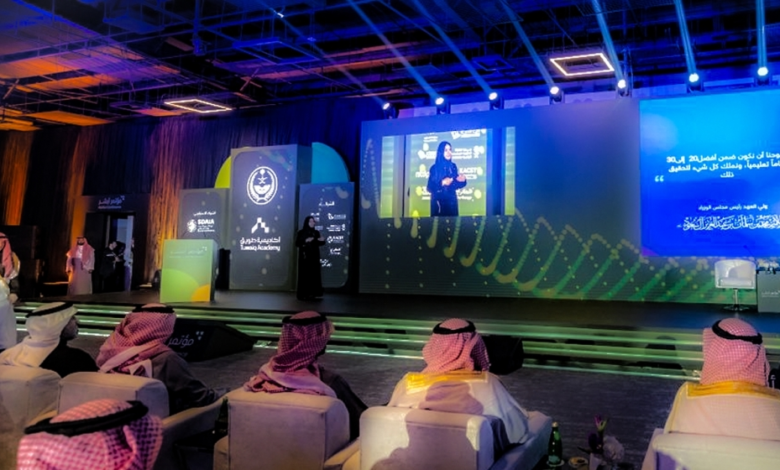
Deputy Minister of Education, Professor Dr. Inas Al-Issa, affirmed that digital transformation in the education sector in the Kingdom of Saudi Arabia is no longer merely a technological option or a set of digital indicators, but has become a crucial strategic path that is reshaping the future of human development and is considered one of the greatest long-term national investments. This came during her active participation in the sessions of the “Absher 2025” conference, which highlights the technological leaps the Kingdom is witnessing.
Significant leaps forward within the framework of Vision 2030
In discussing the historical background of this development, Al-Issa explained that what the Kingdom is witnessing today is the result of direct and continuous support from the wise leadership - may God support them - and the practical application of the objectives of Saudi Vision 2030. These efforts have resulted in the Kingdom attaining a prestigious position on the international map, as it achieved fourth place globally in the United Nations Digital Government Development Index, and second in the World Bank Index, which reflects the strength of the digital infrastructure that has been established over the past years.
An educational system that transcends the boundaries of time and place
The Deputy Minister of Education emphasized that the concept of digital transformation is not limited to digitizing curricula or replacing paper with screens, but rather represents a fundamental change in the structure of the educational process. She noted that this system currently serves more than 8 million students across various tracks (general, university, and vocational). The Ministry has successfully transformed geographical challenges into opportunities, with Al-Issa affirming that "geographical location is no longer an obstacle to quality education," thus reinforcing the principle of fairness and equal opportunities, and enabling students in remote areas to access the same quality of education offered in major cities.
Leading platforms and a promising future
During the conference, Al-Issa reviewed a number of platforms that have marked a turning point in the history of Saudi education, most notably:
- My School platform: which has gone beyond its role as a crisis solution during the pandemic to become a sustainable national learning management platform.
- The “Safir” and “Qabool” system: to facilitate scholarship and university admission procedures.
- The “Study in Saudi Arabia” platform: which enhances the Kingdom’s position as a global educational destination attractive to international students.
- FutureX platform: which integrates with more than 2000 local and international entities, contributing to the empowerment of two million learners.
Artificial intelligence: an enabler, not a replacement
Regarding modern technologies, Al-Issa noted that the integration of artificial intelligence into education is guided by a clear vision that views it as a tool to support teachers, enhancing their capabilities without replacing their central role. This approach aims to ensure improved learning outcomes and increased performance within classrooms.
The Deputy Minister concluded her remarks by emphasizing the importance of partnership and integration between the Ministry of Education and various governmental and private sectors, praising the efforts of the partners in success who contributed to presenting a globally inspiring Saudi model in harnessing technology to serve humanity, and stressing the continued work to develop a flexible educational system that keeps pace with the nation’s aspirations and the challenges of the future.