
The Middle East is currently witnessing significant political activity, with intensive diplomatic efforts underway to contain escalating tensions. These developments come as the Gulf Arab states continue to face persistent security challenges and threats, including attacks by Iran or its proxies in the region, placing the security and stability of the Middle East at the forefront of the international agenda.
The historical context of tensions in the Gulf region
The Arabian Gulf region is one of the world's most important and strategic waterways, with a significant portion of the world's oil supply passing through the Strait of Hormuz. Over the past decades, the region has witnessed recurring geopolitical tensions, largely linked to Iranian policies and its interference in the affairs of neighboring countries. These tensions have escalated considerably in recent years, particularly with attacks targeting vital oil facilities and commercial vessels, prompting the international community to recognize the gravity of the situation. Attacks on energy infrastructure in the Gulf Cooperation Council (GCC) countries, such as the 2019 Aramco attacks, marked a turning point in how Gulf states and the world address security threats and the imperative of securing energy supplies.
Intensive diplomatic efforts to prevent a slide into all-out conflict
Faced with this complex situation, several regional and international actors are leading intensive diplomatic efforts to contain the escalation. The United States and European countries, along with regional mediators, are engaged in concerted efforts to de-escalate tensions and prevent the region from sliding into a full-blown military conflict. This diplomacy focuses on opening channels of dialogue and pressuring Tehran to cease its support for armed militias that destabilize the region, whether in Yemen, Iraq, Syria, or Lebanon. The Gulf states consistently emphasize their preference for peaceful and diplomatic solutions, while reserving their full and legitimate right to defend their sovereignty and national security.
Gulf strategy in confronting threats
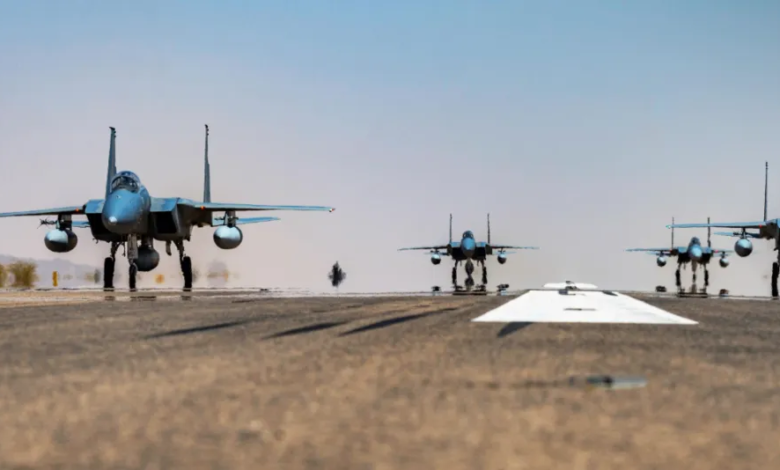
In parallel with the diplomatic track, the Gulf continues to counter potential Iranian attacks by bolstering its defense and military capabilities. The Gulf Cooperation Council (GCC) states are modernizing their air defense systems and intensifying security and intelligence cooperation among themselves and with their international allies. International maritime alliances also play a crucial role in ensuring freedom of navigation in the Red Sea and the Arabian Gulf, and in countering any attempts to threaten commercial vessels or oil tankers, reflecting a firm international commitment to protecting these vital waterways for global trade.
Expected impacts locally, regionally, and internationally
The success or failure of these diplomatic efforts will have profound repercussions on various levels. Locally and regionally , containing the escalation ensures the continuation of the ambitious economic development plans adopted by the Gulf states, maintains the stability of local markets, and attracts foreign investment to guarantee a prosperous future for the region's people. Internationally , the stability of the Gulf region is a vital safeguard for the global economy; any military escalation could lead to severe disruptions in global supply chains and an unprecedented surge in energy prices, threatening to slow global economic growth and increase inflation. Therefore, Gulf security remains an integral part of international peace and security.