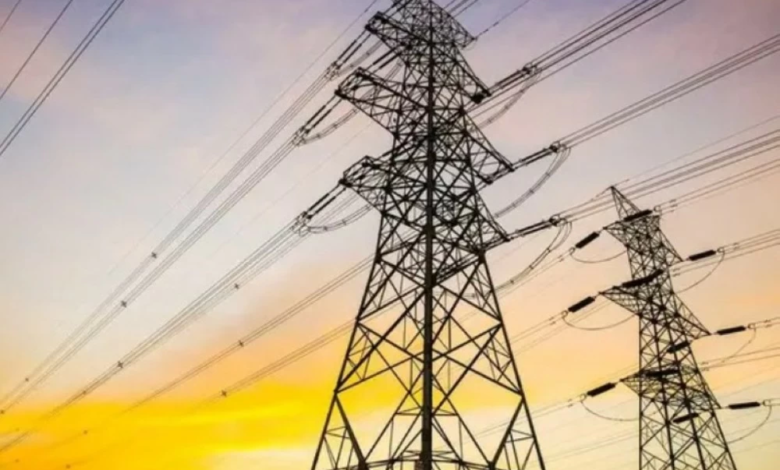

أعلنت هيئة الربط الكهربائي الخليجي رسمياً عن بدء تنفيذ مشروع الربط الكهربائي المباشر بين شبكة الهيئة وشبكة سلطنة عُمان، في خطوة مفصلية تعكس التزام دول مجلس التعاون بتعزيز البنية التحتية الإقليمية وضمان أمن الطاقة المستدام.
رؤية استراتيجية تتجاوز الحدود الفنية
وفي هذا السياق، شدد وكيل وزارة الطاقة والمعادن ورئيس مجلس إدارة هيئة الربط الكهربائي الخليجي، محسن الحضرمي، على أن هذا المشروع يتجاوز كونه مجرد توسعة فنية للشبكات. وأكد أن الربط المباشر يمثل تجسيداً حقيقياً للرؤية الاستراتيجية التي وضعها قادة دول مجلس التعاون، والتي تعتبر أمن الطاقة ركيزة أساسية للاستقرار الاقتصادي والسياسي. وأشار الحضرمي إلى أن المشروع يعزز من عمق الشبكة الخليجية ويرفع مرونتها التشغيلية، مما يجعله نموذجاً يحتذى به في الشراكات الإقليمية لتمويل البنية التحتية الحيوية.
خلفية تاريخية ومكاسب اقتصادية
يأتي هذا المشروع استكمالاً لمسيرة نجاح هيئة الربط الكهربائي الخليجي التي تأسست عام 2001 وبدأت عملياتها التشغيلية في عام 2009. وقد أثبتت الشبكة الموحدة جدواها الاقتصادية والفنية على مدار السنوات الماضية، حيث نجحت في تجنيب دول المجلس مئات الانقطاعات الكهربائية الكبرى ووفرت مليارات الدولارات من خلال تقليل الحاجة لبناء محطات توليد جديدة، بفضل مشاركة الاحتياطي التشغيلي بين الدول الأعضاء. ويُعد الربط المباشر مع سلطنة عُمان تطوراً نوعياً يهدف إلى زيادة سعة النقل الكهربائي وتقليل الاعتماد على الوقود الأحفوري التقليدي.
دعم التحول الطاقي والاستدامة
من جانبه، أوضح المهندس أحمد بن علي الإبراهيم، الرئيس التنفيذي للهيئة، أن المشروع يُصنف كأحد أكبر مشاريع التوسعة في تاريخ الهيئة. وأضاف أن الهدف لا يقتصر على استيعاب الطلب المتزايد على الكهرباء نتيجة النمو السكاني والعمراني، بل يمتد لدعم خطط دول الخليج الطموحة في مجال الطاقة المتجددة. حيث يسهم الربط الكهربائي في معالجة تحديات "تقطع" مصادر الطاقة الشمسية والرياح، مما يسهل دمج هذه المصادر النظيفة في الشبكات الوطنية.
آفاق المستقبل والتأثير الإقليمي
يُتوقع أن يسهم هذا الربط المباشر في تعزيز سوق تجارة الطاقة بين دول الخليج، مما يفتح الآفاق مستقبلاً للربط مع شبكات إقليمية ودولية أخرى، مثل الربط مع العراق والأردن ومصر، وصولاً إلى أوروبا. كما يدعم المشروع التوجهات العالمية لخفض الانبعاثات الكربونية والوصول إلى الحياد الصفري، مرسخاً بذلك مكانة دول مجلس التعاون كلاعب رئيسي ومؤثر في خريطة الطاقة العالمية.