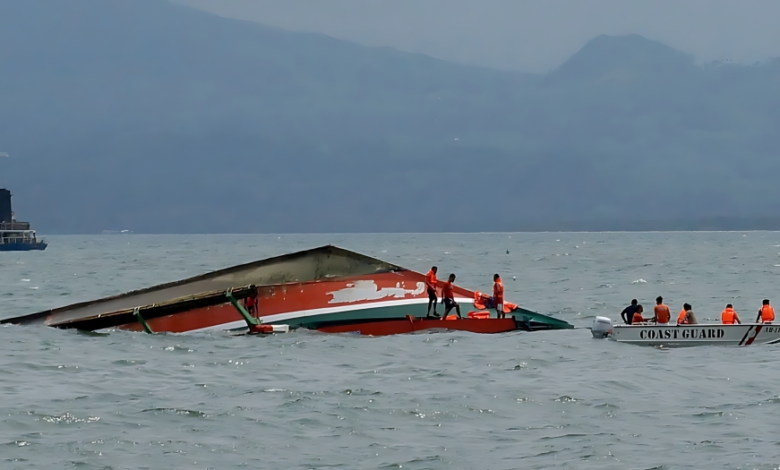

في فاجعة إنسانية جديدة تسلط الضوء على أزمة الهجرة غير الشرعية، أعلنت المنظمة الدولية للهجرة عن غرق قارب مهاجرين قبالة سواحل جيبوتي، مما أسفر عن وفاة 9 أشخاص على الأقل وفقدان 45 آخرين في مياه البحر. وقع هذا الحادث المأساوي ليل الرابع والعشرين من مارس، حيث كان القارب المكتظ يحمل على متنه نحو 320 مهاجراً، في رحلة محفوفة بالمخاطر بحثاً عن حياة أفضل.
تفاصيل حادث غرق القارب قبالة أوبوك
أوضحت التقارير الأولية الصادرة عن المنظمة الدولية للهجرة أن الكارثة وقعت تحديداً قبالة سواحل منطقة “أوبوك” الجيبوتية، وهي مدينة ساحلية تُعد نقطة عبور رئيسية للمهاجرين الأفارقة. ورغم عدم تحديد نقطة الانطلاق الدقيقة أو الوجهة النهائية للقارب في البيان الأولي، إلا أن المعطيات الميدانية تشير إلى أن القارب كان يفتقر إلى أدنى معايير السلامة البحرية، مما أدى إلى انقلابه وغرقه تحت وطأة الحمولة الزائدة والأمواج العاتية. وتواصل فرق الإنقاذ وخفر السواحل جهودها الحثيثة للبحث عن المفقودين البالغ عددهم 45 شخصاً، وسط تضاؤل الآمال في العثور على ناجين جدد.
السياق العام والخلفية التاريخية لطريق الموت
لا يُعد حادث غرق قارب قبالة جيبوتي حدثاً معزولاً، بل هو حلقة في سلسلة طويلة من المآسي التي يشهدها ما يُعرف بـ “المسار البحري الشرقي”. تاريخياً، يُعتبر هذا الطريق الذي يربط بين دول القرن الأفريقي واليمن عبر خليج عدن، واحداً من أخطر طرق الهجرة في العالم. سنوياً، يخاطر عشرات الآلاف من المهاجرين، أغلبهم من إثيوبيا والصومال، بحياتهم بعبور هذا المسار. وتدفع الظروف الاقتصادية القاسية، والنزاعات المسلحة، والتغيرات المناخية التي تضرب القرن الأفريقي، هؤلاء الشباب إلى الهروب نحو دول الخليج العربي أملاً في إيجاد فرص عمل تنتشل عائلاتهم من براثن الفقر. ويقع هؤلاء المهاجرون ضحية لشبكات التهريب والاتجار بالبشر التي تستغل يأسهم وتكدسهم في قوارب متهالكة.
أهمية الحدث وتأثيراته المتوقعة
يحمل هذا الحادث المأساوي تداعيات وتأثيرات متعددة الأبعاد على المستويات المحلية والإقليمية والدولية:
- التأثير المحلي (جيبوتي): يضع هذا الحادث ضغوطاً إضافية على السلطات الجيبوتية، وخاصة خفر السواحل والقطاع الصحي في منطقة أوبوك. كما يسلط الضوء على حاجة جيبوتي الماسة لدعم دولي لتعزيز قدراتها في إدارة الحدود وعمليات البحث والإنقاذ، وتقديم الرعاية للناجين.
- التأثير الإقليمي: يُنذر الحادث باستمرار تدفق موجات الهجرة رغم المخاطر، مما يعكس عمق الأزمات الهيكلية في دول المصدر (إثيوبيا والصومال). كما يفاقم من تعقيد المشهد في اليمن، الذي يُعد بلد عبور رئيسي رغم معاناته من أزمة إنسانية وحرب طاحنة منذ سنوات، مما يجعله غير قادر على التعامل مع تدفقات المهاجرين.
- التأثير الدولي: يُشكل هذا الحادث نداء استغاثة عاجل للمجتمع الدولي والمنظمات الأممية. من المتوقع أن يدفع هذا الحدث المنظمة الدولية للهجرة والاتحاد الأوروبي إلى تكثيف الدعوات لزيادة التمويل المخصص لمكافحة شبكات التهريب، وضرورة إيجاد حلول جذرية تعالج الأسباب الكامنة وراء الهجرة غير النظامية في القارة الأفريقية، بدلاً من الاكتفاء بالحلول الأمنية.
في الختام، يبقى غرق هذا القارب شاهداً مؤلماً على التكلفة البشرية الباهظة للهجرة غير الشرعية، ومذكراً بضرورة تضافر الجهود العالمية لتوفير مسارات هجرة آمنة وقانونية، وتحسين الظروف المعيشية في دول المصدر لمنع تكرار مثل هذه الفواجع.