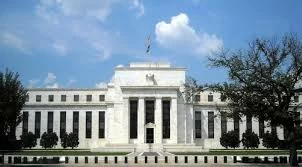
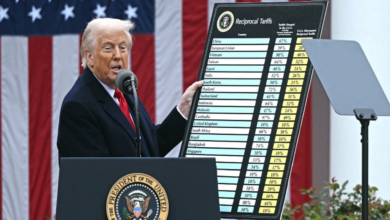
The dollar index declined as the market awaited the Federal Reserve's interest rate decision

The US dollar index saw a slight decline in recent trading, as investors in global financial markets remain cautious and watchful ahead of the Federal Reserve's (US central bank) interest rate decision. This fluctuation in the greenback's performance is a natural response to the uncertainty that typically precedes meetings of the Federal Open Market Committee, which sets the monetary policy for the world's largest economy.
Context of the Dollar Index's Movement and How It Works
The Dollar Index (DXY) is the primary benchmark for measuring the value of the US dollar against a basket of six major rival currencies, most notably the euro, the Japanese yen, and the British pound. Historically, the dollar's strength has been closely tied to Federal Reserve decisions; when the central bank raises interest rates to curb inflation, the dollar becomes more attractive as an investment vehicle, thus increasing its value. Conversely, any hints of a rate cut or hold can lead to a decline in the index, as investors seek higher returns in other assets or emerging market currencies.
The importance of the Federal Reserve's decision and its economic impact
The Federal Reserve's decision has repercussions not only within the United States but also across the global economy. Any shift in US monetary policy sends ripples through the markets; a strong dollar typically puts downward pressure on dollar-denominated commodities like gold and oil, making them more expensive for holders of other currencies. Conversely, a slight weakening of the dollar can provide some breathing room for gold prices to rise and ease the debt burden on developing countries that borrow in dollars.
Market forecasts and potential scenarios
Economic analysts are currently focused on the data released from the meeting, as well as the press conference of the Federal Reserve Chairman, to glean future direction. Will the Fed maintain its tight policy to ensure inflation returns to its official targets, or will it adopt a more dovish tone for fear of economic recession? These questions are the primary drivers of current buying and selling activity, with many traders preferring to remain neutral or reduce their dollar positions until the picture becomes clearer.
In conclusion, the dollar index remains highly sensitive to any economic data released in conjunction with the meeting, such as labor market data or consumer price indices, which play a crucial role in guiding the Fed's compass and determining the interest rate path for the coming period.