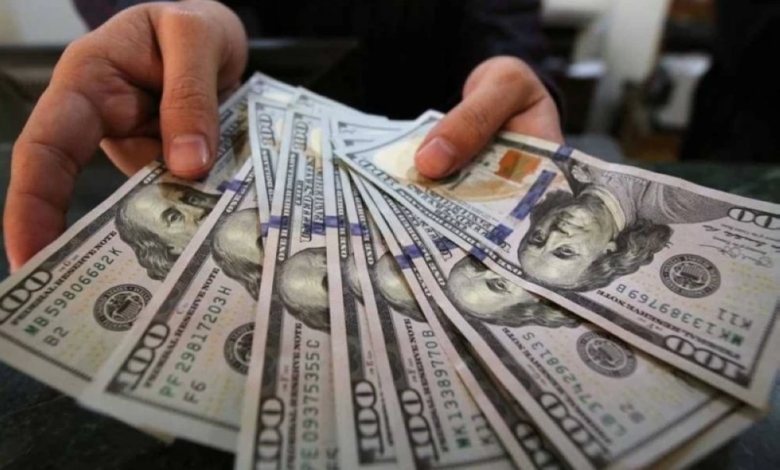
The dollar records its worst weekly performance, and interest rate forecasts extend to 2026

The Bloomberg Dollar Index recorded its worst weekly performance since last June, as traders awaited crucial economic data early next month that would confirm expectations of further interest rate cuts by the Federal Reserve into 2026.
The index ended the week with a notable decline of about 0.8%, deepening its losses of about 8% since the beginning of this year, putting it on track to record its biggest annual drop since 2017. This decline reflects a radical shift in market sentiment, which had previously been betting on the strength of the greenback, before economic data and monetary policy trends changed.
decisive economic factors
All eyes are now on the December jobs report and the upcoming inflation readings, as these figures will serve as a compass guiding the Federal Reserve's next steps. This data is particularly significant after policymakers cut borrowing costs this month for the third consecutive meeting, a move primarily aimed at supporting economic growth and averting a recession.
Market expectations and monetary policy
Looking ahead, financial market participants are currently pricing in a near 90% probability that the Federal Reserve will leave interest rates unchanged at its next meeting. However, longer-term bets point to a quarter-point cut by mid-2026, followed by another cut several months later, suggesting an extended cycle of monetary easing.
Historical context and global impact
This weak dollar performance is reminiscent of the scenarios of 2017, when the US currency experienced widespread selling pressure. Historically, a weaker dollar has eased financial pressures on emerging economies that borrow in dollars and has tended to support the prices of dollar-denominated commodities such as gold and oil, as they become less expensive for holders of other currencies.
Analysts point out that the continuation of this downward trend may enhance the competitiveness of US exports in global markets, but on the other hand, it poses challenges for other central banks, particularly in Europe and Japan, whose currencies may rise at a pace that could affect the recovery of their domestic economies.