Steps to transfer domestic worker salaries via Musaned and the mandatory date

The Saudi Ministry of Human Resources and Social Development confirmed via its official account that January 1, 2026, will be the deadline for implementing the fifth and final phase of the mandatory transfer of domestic worker salaries through digital wallets. The ministry explained that payments will be automatically documented through the "Musaned" platform, without any additional service fees, in a move aimed at fully regulating the domestic worker sector.
The context of digital transformation and wage protection
This decision is part of a comprehensive strategy adopted by the Kingdom in line with Vision 2030, which aims to automate financial transactions and reduce reliance on cash. This step is an extension of the Wage Protection Program, which has been successfully implemented in the private sector and is now being extended to include the domestic worker sector. This initiative aims to create a safe and transparent work environment that guarantees the rights of all contractual parties and reduces labor disputes arising from claims of unpaid wages.
Phased implementation: from 2024 to 2026
The decision was not sudden; rather, the "Musaned" platform adopted a phased approach to ensure a smooth implementation. The first phase began on July 1, 2024, and included new domestic workers arriving for the first time. Subsequent phases covered different segments based on the number of employees employed by each employer. Those with more than four employees were required to participate in January 2025, followed by those with three employees in July 2025, and then those with two or more employees in October 2025. The phases concluded with full inclusion of all employers and employees by the beginning of 2026.
Expected economic and legal impact
This decision has multiple positive dimensions at both the local and international levels:
- Locally: It contributes to enhancing financial security and reducing direct cash transactions, which facilitates the financial control process and preserves the rights of the employer and the worker through official and irrefutable documentation.
- Internationally: It enhances the Kingdom’s standing in international human rights and labor indicators, as documenting wages is one of the most important standards required by international organizations and labor-exporting countries, thus increasing the attractiveness of the Saudi labor market for trained talent.
Steps to transfer salaries via digital wallets
To ensure compliance with the decision, employers must follow the following steps precisely:
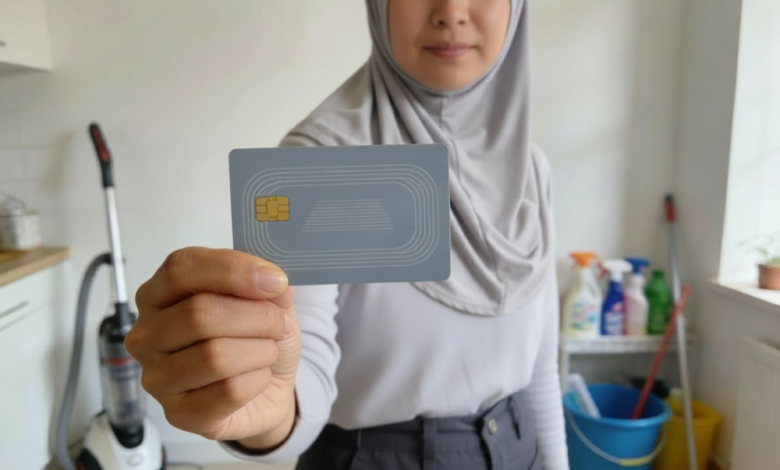
- SIM card extraction: Obtaining a mobile number for the domestic worker registered with their residence permit number.
- Creating a digital wallet: Opening an account for the employee in one of the digital wallets approved by the Saudi Central Bank.
- To execute the transfer: The employer logs into his digital wallet, selects the “Domestic Worker Salaries” icon, then identifies the beneficiary worker and clicks on “Confirm Payment”.
The service also provides flexible options such as transferring advance salaries, loans, or deductions, with the ability to record explanatory notes for the type of transaction, thus ensuring accurate financial archiving of the contractual relationship.