A 5.2 magnitude earthquake strikes Afghanistan and another in Indonesia, with no casualties

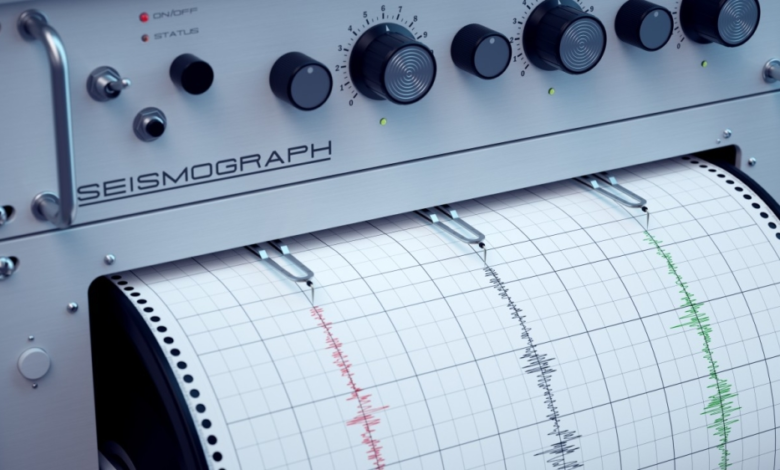
Global geological monitoring stations recorded significant seismic activity in Asia today, with a 5.2 magnitude earthquake striking the Hindu Kush region of Afghanistan, coinciding with another earthquake that hit southern Indonesia, according to the German Research Centre for Geosciences (GFZ).
Details of the Afghanistan earthquake
The German Research Centre for Geophysics (DFG) explained that the earthquake that struck Afghanistan occurred specifically in the rugged Hindu Kush mountain range. This earthquake was characterized by its considerable depth, reaching 206 kilometers below the Earth's surface. This great depth typically helps to mitigate the destructive effects of earthquakes on the surface, as the seismic energy is dissipated before reaching buildings and structures. This explains the absence of any immediate reports of casualties or material damage resulting from this event.
Seismic activity in Indonesia
Meanwhile, on the other side of the continent, another earthquake measuring 5.5 on the Richter scale struck the Sumatra region of southern Indonesia. The German Research Centre for Geosciences reported that the epicenter was at a depth of 101 kilometers. Indonesia is considered a seismically active country due to its complex geographic location.
Geological context and historical background
The Hindu Kush region of Afghanistan is one of the most seismically active areas in the world. This is due to its sensitive geological location where the Indian and Eurasian tectonic plates collide. This ongoing collision, which began millions of years ago, generates immense pressure, resulting in frequent earthquakes, often deep-seated, which are felt across vast distances, sometimes even reaching neighboring Pakistan and India, though with less damage than shallow earthquakes.
As for Indonesia, it lies within the Pacific Ring of Fire, a vast arc of volcanic and seismic activity encircling the Pacific Ocean basin. Approximately 90% of the world's earthquakes occur in this region, keeping its inhabitants constantly on alert for natural disasters.
The importance of monitoring and follow-up
Real-time monitoring by centers like the German Research Centre for Geosciences (GFZ) is crucial for assessing risks and issuing early warnings, especially in coastal areas that could be vulnerable to tsunamis if the earthquakes are strong and shallow. Fortunately, preliminary data from today's earthquakes indicate a stable situation and no major threats, though authorities continue to monitor for any potential aftershocks.