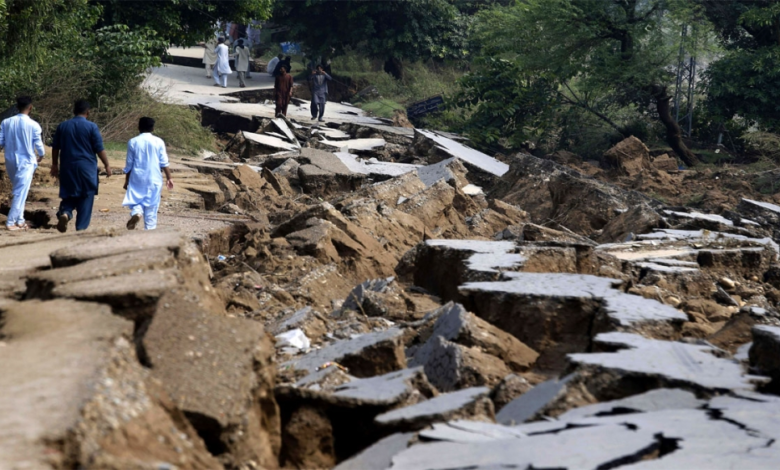

شهدت جمهورية باكستان الإسلامية، اليوم، حدثاً جيولوجياً مقلقاً، حيث ضرب زلزال بلغت قوته 5.6 درجة على مقياس ريختر إقليم بلوشستان الواقع جنوب غربي البلاد، وامتدت تأثيراته لتشمل أجزاء من إقليم السند الجنوبي، مما أثار حالة من الترقب والحذر بين السكان والسلطات المحلية.
تفاصيل الهزة الأرضية وموقعها
وفقاً للبيانات الرسمية الصادرة عن دائرة الأرصاد والمسح الجيولوجي الباكستانية، تم تحديد مركز الزلزال بدقة، حيث وقع بالقرب من مدينة "خضدار" التابعة لإقليم بلوشستان. وأوضحت البيانات التقنية أن الهزة كانت ضحلة نسبياً، حيث بلغ عمق مركز الزلزال حوالي 13 كيلومتراً فقط تحت سطح الأرض. وعادة ما تكون الزلازل الضحلة (قليلة العمق) أكثر تأثيراً وشعوراً بها من قبل السكان مقارنة بالزلازل العميقة، نظراً لقرب الطاقة المنبعثة من السطح.
الوضع الميداني والخسائر
حتى لحظة إعداد هذا التقرير، لم ترد أي تقارير رسمية فورية تفيد بوقوع خسائر بشرية في الأرواح أو إصابات بين المواطنين. كما لم تسجل السلطات المحلية أضراراً مادية جسيمة في البنية التحتية أو المباني في المناطق المتأثرة، لا سيما في مدينة خضدار والمناطق المحيطة بها. ومع ذلك، تظل فرق الطوارئ والدفاع المدني في حالة تأهب لتقييم الوضع بشكل أدق، خاصة في القرى النائية التي قد يتأخر وصول المعلومات منها.
الخلفية الجيولوجية: لماذا تتكرر الزلازل في باكستان؟
تعتبر باكستان من الدول النشطة زلزالياً بحكم موقعها الجغرافي المعقد؛ حيث تقع البلاد فوق منطقة تصادم صفيحتين تكتونيتين رئيسيتين، وهما الصفيحة الهندية والصفيحة الأوراسية. هذا التصادم المستمر والضغط الجيولوجي الهائل يؤدي إلى تراكم الطاقة في طبقات الأرض، والتي تتحرر فجأة على شكل هزات أرضية.
ويعد إقليم بلوشستان، الذي شهد زلزال اليوم، من أكثر المناطق نشاطاً زلزالياً في المنطقة. تاريخياً، شهدت هذه المنطقة زلازل مدمرة، مما يجعل أي نشاط زلزال، حتى وإن كان متوسط القوة مثل زلزال اليوم (5.6 درجة)، محط اهتمام ومراقبة دقيقة من قبل الخبراء، خوفاً من توابع زلزالية أو تحفيز لفوالق أخرى.
أهمية المراقبة وإجراءات السلامة
تكمن أهمية رصد هذا الزلزال في كونه تذكيراً مستمراً بالطبيعة الجيولوجية للمنطقة. وتدعو السلطات عادة في مثل هذه الحالات المواطنين إلى توخي الحذر، والابتعاد عن المباني المتهالكة تحسباً لهزات ارتدادية قد تحدث في الساعات أو الأيام المقبلة. كما يُنصح السكان بمتابعة التحديثات الرسمية من دائرة الأرصاد الجوية وعدم الانجرار وراء الشائعات التي قد تنتشر في أوقات الأزمات.
ويستمر المركز الوطني لرصد الزلازل في متابعة النشاط الزلزالي في منطقة خضدار ومحيطها، لتوفير بيانات محدثة تساعد في اتخاذ القرارات المناسبة لحماية الأرواح والممتلكات.