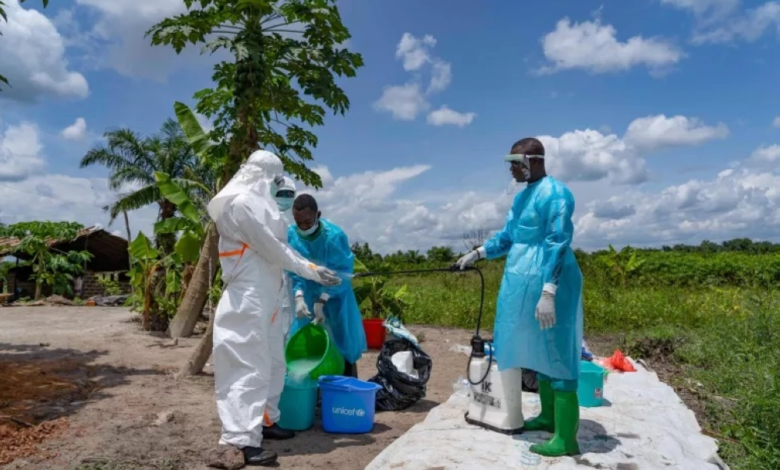

أعلنت منظمة الصحة العالمية عن تطورات مقلقة بشأن تفشي سلالة بونديبوجيو من فيروس إيبولا في جمهورية الكونغو الديمقراطية، حيث وصلت الحصيلة الأخيرة إلى 321 إصابة مؤكدة و116 حالة مشتبه بها. يمثل هذا التفشي تحديًا صحيًا كبيرًا للمنطقة، التي تمتلك تاريخًا طويلًا في مواجهة هذا الفيروس الفتاك. وفي بيان رسمي، أوضح المتحدث باسم المنظمة، كريستيان ليندماير، أن عدد الوفيات المرتبطة مباشرة بالانتشار الحالي قد بلغ 41 حالة، بينما تم تسجيل تعافي ستة مصابين فقط حتى الآن، مما يسلط الضوء على خطورة الوضع. ولم يتوقف الأمر عند حدود الكونغو، فقد امتد الفيروس إلى أوغندا المجاورة التي سجلت بدورها تسع إصابات مؤكدة وحالة وفاة واحدة، مما يثير مخاوف من انتشار إقليمي أوسع.
إيبولا: تاريخ من التحديات الصحية العالمية
يعود تاريخ فيروس إيبولا إلى عام 1976، عندما تم اكتشافه لأول مرة في تفشٍ متزامن في كل من جنوب السودان وقرية يامبوكو بالكونغو، بالقرب من نهر إيبولا الذي أخذ الفيروس اسمه منه. منذ ذلك الحين، شهدت القارة الأفريقية عدة موجات من تفشي المرض، كان أكثرها تدميرًا وباء غرب أفريقيا بين عامي 2014 و2016، والذي تسبب في آلاف الوفيات وأظهر للعالم مدى قدرة الفيروس على الانتشار السريع في غياب أنظمة صحية قوية واستجابة دولية منسقة. وتُعد جمهورية الكونغو الديمقراطية من أكثر الدول تضررًا تاريخيًا، حيث يمثل التفشي الحالي السابع عشر الذي تشهده البلاد، مما أكسب فرقها الطبية خبرة كبيرة في التعامل مع المرض، ولكنه في الوقت ذاته يضع ضغطًا هائلاً على مواردها الصحية المحدودة.
مخاطر سلالة بونديبوجيو وجهود الاحتواء
تم التعرف على سلالة بونديبوجيو لأول مرة في عام 2007 خلال تفشٍ في أوغندا. وعلى الرغم من أن معدل وفياتها كان تاريخيًا أقل من سلالة زائير (الأكثر شيوعًا وفتكًا)، إلا أنها لا تزال تشكل تهديدًا خطيرًا للصحة العامة. وتواجه السلطات الصحية المحلية والدولية، بما في ذلك المركز الأفريقي لمكافحة الأمراض والوقاية منها الذي أعلن عن التفشي في 15 مايو الماضي، تحديات متعددة. تشمل هذه التحديات الطبيعة الجغرافية الوعرة للمناطق المتأثرة، وصعوبة الوصول إلى المجتمعات النائية، بالإضافة إلى ضرورة بناء الثقة مع السكان المحليين لضمان تعاونهم في إجراءات التتبع والعزل. وتتركز الجهود الحالية على تكثيف حملات التوعية، وتوفير الرعاية الطبية للمصابين، وتتبع المخالطين لمنع تشكل سلاسل جديدة من العدوى، وهي استراتيجيات أثبتت فعاليتها في السيطرة على موجات تفشٍ سابقة.