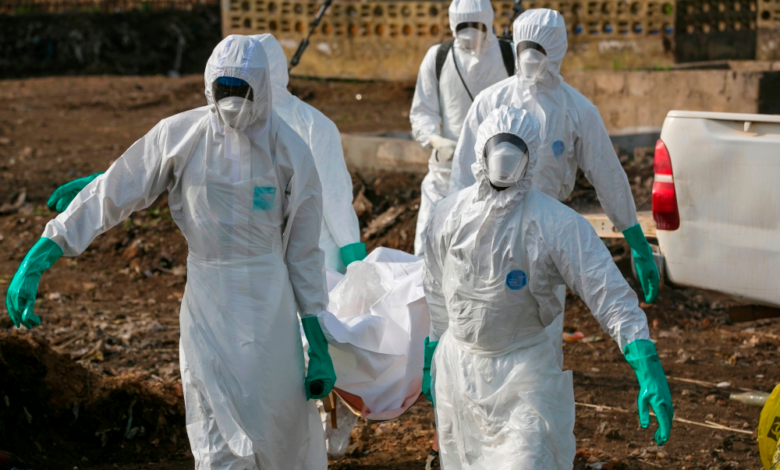

أعلنت السلطات الصحية في جمهورية الكونغو الديمقراطية عن تصاعد مقلق في أعداد المصابين بالمرض، حيث أكد وزير الصحة، روجر كامبا، أن حصيلة الإصابات المؤكدة بفيروس إيبولا في الكونغو الديمقراطية ارتفعت إلى 381 حالة، من بينها 63 حالة وفاة. يأتي هذا الإعلان ليدق ناقوس الخطر مجدداً في بلد يمتلك تاريخاً طويلاً ومؤلماً في مواجهة هذا الوباء الفتاك، مما يضع المنظومة الصحية المحلية والشركاء الدوليين في حالة تأهب قصوى لاحتواء التفشي الحالي ومنع انتشاره على نطاق أوسع.
وفي مؤتمر صحفي عُقد بالعاصمة كينشاسا، أوضح الوزير كامبا أن 233 مريضاً يتلقون العلاج حالياً في المراكز الصحية المخصصة، أو يخضعون للحجر الصحي في انتظار نتائج الفحوصات المخبرية. وأشار إلى أن هذا التفشي، الناجم عن سلالة “بونديبوغيو”، قد امتد تأثيره حتى الآن ليشمل ثلاث مقاطعات حيوية في شرق البلاد، وهي إيتوري وشمال كيفو وجنوب كيفو، وهي مناطق تعاني أصلاً من تحديات أمنية وإنسانية معقدة.
جهود احتواء تفشي إيبولا في الكونغو الديمقراطية
أكد الوزير الكونغولي أن قدرات البلاد على إجراء الفحوصات قد شهدت تحسناً ملحوظاً، وذلك بفضل الدعم الدولي المتواصل. وقد تسلمت البلاد أكثر من 4 آلاف مجموعة اختبار من المراكز الأفريقية لمكافحة الأمراض والوقاية منها (Africa CDC)، بالإضافة إلى دعم إضافي من شركاء دوليين آخرين. وأضاف كامبا: “منذ الإعلان الرسمي عن تفشي المرض في 15 مايو، كثفت السلطات الصحية والمنظمات الدولية جهودها في مجالات الفحص والعزل والعلاج وتتبع المخالطين في المقاطعات الشرقية المتضررة، بهدف كسر سلسلة العدوى في أسرع وقت ممكن”.
تاريخ من المواجهات مع الفيروس القاتل
لا تعتبر مواجهة فيروس إيبولا أمراً جديداً على جمهورية الكونغو الديمقراطية، فالبلاد شهدت أول ظهور للمرض على أراضيها عام 1976 بالقرب من نهر إيبولا الذي حمل الفيروس اسمه. ومنذ ذلك الحين، واجهت الكونغو أكثر من عشر موجات تفشٍ، أكسبتها خبرة كبيرة في التعامل مع الوباء، لكنها في الوقت ذاته استنزفت مواردها الصحية المحدودة. ويُعد تفشي 2018-2020 في شرق البلاد ثاني أكبر تفشٍ لإيبولا في التاريخ، حيث أظهر مدى تعقيد الاستجابة في مناطق النزاع وانعدام الأمن، وهو ما يشكل تحدياً مستمراً أمام الفرق الطبية اليوم.
تحديات إقليمية ومخاوف من الانتشار
يثير التفشي الحالي قلقاً كبيراً ليس على المستوى المحلي فحسب، بل على الصعيدين الإقليمي والدولي. فالطبيعة الجغرافية للمقاطعات المتأثرة، بحدودها المفتوحة وسهلة الاختراق مع دول مثل أوغندا ورواندا وجنوب السودان، تزيد من خطر انتقال العدوى عبر الحدود. وقد شهدت المنطقة في السابق حالات تسرب للمرض، مما استدعى استجابات طارئة في الدول المجاورة. وتعمل منظمة الصحة العالمية والشركاء الدوليون بشكل وثيق مع السلطات الكونغولية والدول المجاورة لتعزيز الرقابة على الحدود وتجهيز المرافق الصحية، وتوفير اللقاحات والعلاجات التجريبية التي أثبتت فعاليتها في السيطرة على تفشيات سابقة، وذلك لمنع تحول الأزمة الحالية إلى حالة طوارئ صحية عالمية.