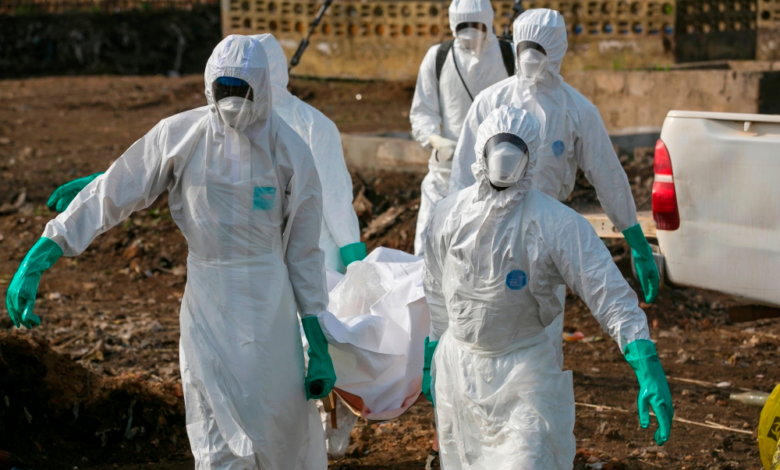

أعلنت منظمة الصحة العالمية عن أحدث الأرقام المتعلقة بـ تفشي فيروس إيبولا من سلالة “بونديبوجيو” في وسط أفريقيا، حيث تم تأكيد 359 إصابة و61 حالة وفاة موزعة بين جمهورية الكونغو الديمقراطية وأوغندا. وتأتي هذه الأرقام لتسلط الضوء على خطورة الوضع والجهود الحثيثة التي تبذلها السلطات الصحية المحلية والشركاء الدوليون لاحتواء هذا الوباء الفتاك الذي يهدد استقرار المنطقة الصحي.
ففي تفاصيل البيان، سجلت جمهورية الكونغو الديمقراطية 344 إصابة مؤكدة و60 حالة وفاة، بينما سجلت أوغندا المجاورة 15 إصابة مؤكدة وحالة وفاة واحدة، مما يؤكد انتقال الفيروس عبر الحدود ويزيد من تعقيد جهود المكافحة.
جهود الاحتواء في مواجهة تحديات ميدانية
أكد الدكتور تيدروس أدهانوم، المدير العام لمنظمة الصحة العالمية، أن الجهود المبذولة لاحتواء تفشي فيروس إيبولا في الكونغو تشهد تقدمًا ملموسًا. وأوضح أن عدد الحالات المشتبه بها انخفض بشكل كبير من أكثر من ألف حالة إلى 116 حالة فقط، مع استمرار عمليات الفحص والتقصي الوبائي لتحديد المخالطين وعزلهم. ورغم هذا التقدم، أشار أدهانوم إلى أن مستوى الخطر لا يزال مرتفعًا على الصعيد الإقليمي، مرجعًا ذلك إلى عدة تحديات، أبرزها ضعف آليات تتبع المخالطين، ومحدودية القدرات التشخيصية في بعض المناطق النائية، بالإضافة إلى القيود المفروضة على السفر التي تعيق حركة الفرق الطبية والمستلزمات الضرورية.
إيبولا: تاريخ من الأوبئة في قلب أفريقيا
لم يكن هذا التفشي هو الأول من نوعه، ففيروس إيبولا له تاريخ طويل ومؤلم في القارة الأفريقية. تم اكتشاف الفيروس لأول مرة عام 1976 بالقرب من نهر إيبولا في جمهورية الكونغو الديمقراطية (زائير سابقًا)، ومنذ ذلك الحين، شهدت البلاد تفشيات متعددة. إلا أن الذاكرة العالمية لا تزال تحمل صور وباء غرب أفريقيا (2014-2016)، الذي كان الأكبر والأكثر فتكًا، وأظهر كيف يمكن لفيروس محلي أن يتحول إلى أزمة صحية عالمية. هذه الخبرة السابقة، رغم مرارتها، ساهمت في تطوير استراتيجيات استجابة أسرع وتطوير لقاحات وعلاجات تجريبية أثبتت فعاليتها في السيطرة على الفيروس.
تداعيات تفشي فيروس إيبولا على الاستقرار الإقليمي
يتجاوز تأثير تفشي فيروس إيبولا الحالي الحدود الصحية المباشرة. على المستوى المحلي، يؤدي الوباء إلى إرهاق النظم الصحية الهشة، ويشل الحركة الاقتصادية في المناطق المتضررة، ويخلق وصمة عار اجتماعية تؤثر على الناجين وعائلاتهم. أما على الصعيد الإقليمي، فإن ظهور حالات في أوغندا يؤكد سهولة انتقال العدوى عبر الحدود المزدحمة، مما يضع دول الجوار مثل رواندا وجنوب السودان في حالة تأهب قصوى. وتتطلب الاستجابة الفعالة تنسيقًا عابرًا للحدود لتبادل المعلومات وتوحيد بروتوكولات الفحص والمراقبة. وشدد المدير العام للمنظمة على أن السيطرة الكاملة على التفشي تتطلب دعمًا مستمرًا للجهود الرامية إلى تطوير اللقاحات والعلاجات، وتعزيز أنظمة المراقبة الوبائية، وبناء ثقة المجتمعات المحلية في الاستجابة الصحية.