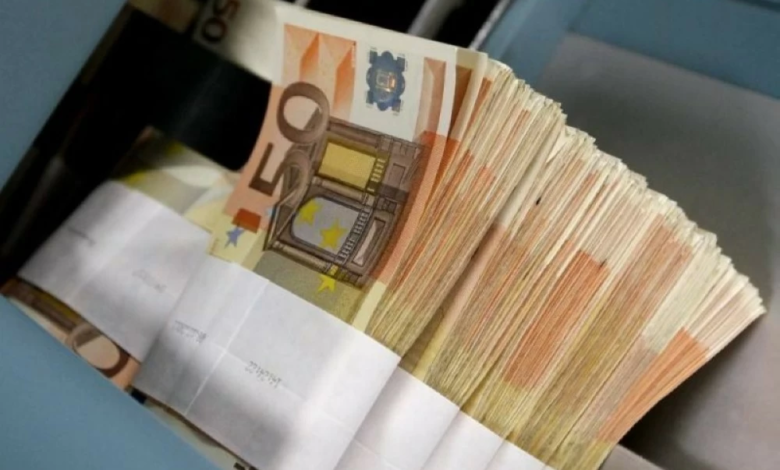

أعلن البنك المركزي الأوروبي عن تحول استراتيجي كبير في سياساته النقدية الدولية، كاشفاً عن خطط طموحة لدعم سيولة اليورو عبر توسيع خطوط اتفاقيات إعادة الشراء (الريبو) وجعلها متاحة على نطاق عالمي وبشكل دائم. ومن المقرر أن يدخل هذا القرار حيز التنفيذ ابتداءً من الربع الثالث من عام 2026، مما يمثل نقلة نوعية في كيفية إدارة السيولة النقدية الأوروبية خارج حدود القارة العجوز.
تفاصيل الآلية الجديدة وتوسيع النطاق
بموجب الإعلان الجديد، ستتحول التسهيلات التي كانت تقتصر سابقاً على عدد محدود من الدول – معظمها في أوروبا الشرقية ودول الجوار – إلى آلية عالمية مفتوحة. وتتضمن هذه الآلية إتاحة وصول دائم لسيولة نقدية تصل سقفها إلى 50 مليار يورو. تهدف هذه الخطوة إلى تمكين البنوك المركزية حول العالم من الحصول على اليورو مقابل تقديم ضمانات عالية الجودة، مما يسهل عمليات التبادل التجاري والمالي المقوم بالعملة الأوروبية الموحدة.
الخلفية التاريخية وسياق القرار
تأتي هذه الخطوة استكمالاً للدروس المستفادة من الأزمات المالية السابقة، لا سيما الأزمة المالية العالمية عام 2008 وجائحة كورونا، حيث ظهرت الحاجة الماسة لخطوط مبادلة العملات (Swap Lines) وخطوط الريبو لضمان استقرار الأسواق. سابقاً، كان البنك المركزي الأوروبي يعتمد على أدوات مؤقتة مثل «تسهيلات الريبو للنظام الأوروبي» (EUREP) للتعامل مع نقص السيولة الطارئ. القرار الجديد يحول هذه المعالجات المؤقتة إلى مظلة حماية دائمة، مما يعكس نضوج النظام المالي الأوروبي ورغبته في لعب دور أكبر على الساحة الدولية.
الأهمية الاستراتيجية: منافسة الدولار وحماية الأسواق
يحمل هذا القرار أبعاداً جيوسياسية واقتصادية هامة، حيث يهدف بشكل مباشر إلى:
- تعزيز الدور الدولي لليورو: تسعى أوروبا لزيادة حصة اليورو في الاحتياطيات العالمية والمدفوعات الدولية، ليصبح منافساً أقوى للدولار الأمريكي الذي يهيمن حالياً على النظام المالي العالمي.
- حماية الأسواق من الاضطرابات: من خلال توفير «صمام أمان» للسيولة، يضمن المركزي الأوروبي عدم حدوث عمليات بيع قسري للأصول المقومة باليورو في أوقات الأزمات، مما يحافظ على استقرار الأسعار.
- التحوط ضد التقلبات السياسية: في ظل تزايد عدم اليقين بشأن السياسات الاقتصادية الأمريكية وتقلبات الدولار، يوفر هذا النظام بديلاً موثوقاً للبنوك المركزية لتنويع مصادر السيولة لديها.
التأثير المتوقع على الاقتصاد العالمي
من المتوقع أن يساهم هذا القرار في خفض تكلفة التمويل باليورو للأسواق الناشئة والاقتصادات النامية، حيث ستمتلك البنوك المركزية في تلك الدول قناة مباشرة للحصول على العملة الصعبة عند الحاجة. هذا الاستقرار المالي سيعزز الثقة في الاستثمار بالأصول الأوروبية، ويدعم التجارة البينية بين منطقة اليورو وبقية دول العالم، مما يرسخ مكانة الاتحاد الأوروبي ككتلة اقتصادية رائدة ومستقرة.