
مقدمة: تحولات جديدة في السياسة النقدية الأوروبية
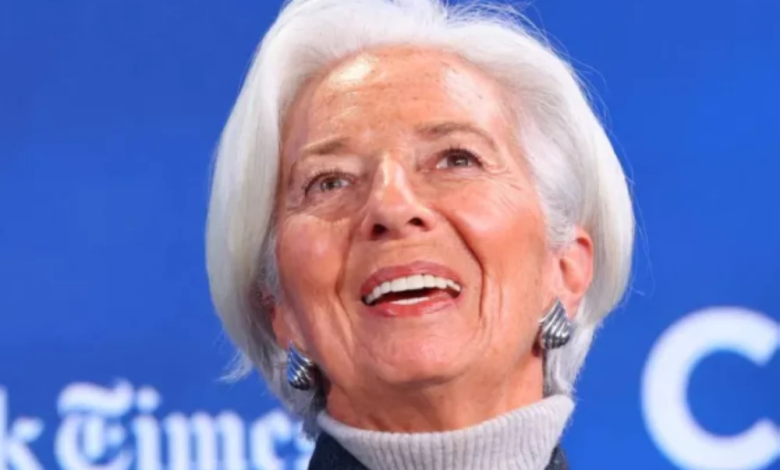
في ظل التطورات الاقتصادية والجيوسياسية المتسارعة التي يشهدها العالم، تتجه أنظار المستثمرين والأسواق المالية نحو البنك المركزي الأوروبي. فقد مهدت رئيسة البنك، كريستين لاغارد، الطريق أمام احتمالية رفع توقعات التضخم في منطقة اليورو خلال الاجتماع المرتقب لصناع السياسة النقدية الشهر المقبل. هذا التصريح يعكس حالة من الحذر تجاه المتغيرات الاقتصادية الحديثة التي طرأت على الساحة الدولية وتأثيرها المباشر على الأسواق.
تصريحات لاغارد وتحديث التوقعات
خلال استضافتها في البرنامج الحواري الإيطالي الشهير «كيه تيمبو كيه فا» (Che Tempo Che Fa) يوم الأحد، أوضحت لاغارد أن التوقعات السابقة التي صدرت في شهر مارس الماضي، والتي كانت تشير إلى ارتفاع الأسعار بنسبة 2.6% خلال العام الجاري، من المرجح جداً أن يتم تعديلها ومراجعتها نحو الارتفاع. وأضافت رئيسة البنك المركزي الأوروبي أن الوضع الاقتصادي والجيوسياسي قد تطور بشكل ملحوظ منذ إصدار تلك التوقعات، مما يستدعي تقييماً جديداً يتماشى مع الواقع الحالي.
السياق الجيوسياسي والاقتصادي وتأثيره على التضخم
تأتي هذه التلميحات في وقت يشهد فيه العالم توترات جيوسياسية متزايدة، لا سيما في منطقة الشرق الأوسط وأوروبا الشرقية. هذه التوترات تؤثر بشكل مباشر على سلاسل الإمداد العالمية، وتكاليف الشحن، وأسعار الطاقة، وهي العوامل الأساسية التي تغذي التضخم. تاريخياً، يسعى البنك المركزي الأوروبي للحفاظ على معدل تضخم يقارب 2%، إلا أن الصدمات الخارجية المتتالية منذ جائحة كورونا وحتى الأزمات الجيوسياسية الحالية جعلت من تحقيق هذا الهدف تحدياً كبيراً يتطلب سياسات نقدية مرنة وحازمة في آن واحد.
توافق الآراء داخل مجلس المحافظين
تصريحات لاغارد لم تكن مفاجئة للمراقبين، بل جاءت لتؤكد ما أشار إليه عدد من صناع السياسة النقدية في الأيام الأخيرة. من أبرز هؤلاء، عضو مجلس المحافظين ألكسندر ديماركو، الذي صرح في مقابلة حديثة مع وكالة «بلومبيرغ» بأن التوقعات الاقتصادية التي نُشرت في مارس، والتي تزامنت مع بداية تصاعد التوترات الإقليمية، ربما كانت متفائلة أكثر من اللازم. هذا التوافق يشير إلى إجماع متزايد داخل البنك على ضرورة اتخاذ موقف أكثر واقعية تجاه التضخم المستورد.
التأثير المتوقع على أسعار الفائدة والأسواق
على الصعيدين الإقليمي والدولي، يحمل أي تعديل في توقعات التضخم دلالات هامة. فارتفاع التضخم يعني عادة أن البنوك المركزية قد تضطر إلى الإبقاء على أسعار الفائدة مرتفعة لفترة أطول، أو حتى زيادتها، لكبح جماح الأسعار وتخفيف الضغط على المستهلكين. ورغم هذه التلميحات الواضحة، امتنعت كريستين لاغارد عن الخوض في تفاصيل ما إذا كان هذا التعديل المرتقب سيضع البنك المركزي الأوروبي على مسار حتمي لزيادة أسعار الفائدة في اجتماعه الحاسم المقرر في 11 يونيو المقبل.
في الختام، يبقى المشهد الاقتصادي الأوروبي مفتوحاً على كافة الاحتمالات، حيث يترقب المستثمرون قرارات شهر يونيو التي ستحدد مسار تكلفة الاقتراض، وتؤثر بالتالي على معدلات النمو الاقتصادي، وقيمة اليورو مقابل الدولار والعملات الرئيسية الأخرى.