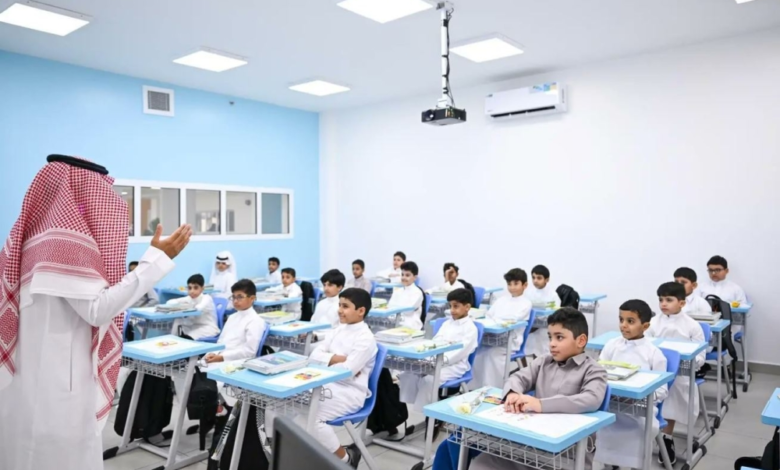

هيئة تقويم التعليم تعلن عن 4 مستويات لتصنيف المدارس
في خطوة استراتيجية تهدف إلى الارتقاء بجودة المنظومة التعليمية، أعلنت هيئة تقويم التعليم والتدريب في المملكة العربية السعودية عن اعتماد نظام جديد لتصنيف المدارس يعتمد على أربعة مستويات رئيسية. ويأتي هذا الإعلان في إطار الجهود المستمرة لتعزيز الشفافية وتحفيز التنافسية الإيجابية بين المؤسسات التعليمية، حيث تقرر منح تصنيف «التميز» للمدارس التي تنجح في تحقيق نسبة تقييم تتجاوز 90% في المعايير المعتمدة للتقويم المدرسي.
تفاصيل مستويات تصنيف المدارس
أوضحت هيئة تقويم التعليم والتدريب أن التصنيف الجديد ينقسم إلى أربعة مستويات دقيقة تعكس الأداء الفعلي للمدرسة بناءً على عمليات التقويم الخارجي والذاتي. يتربع على قمة هذا التصنيف مستوى “التميز” والذي يُمنح حصرياً للمدارس التي تتجاوز نسبة أدائها 90%، مما يعكس تطبيقها لأعلى معايير الجودة في التعليم والبيئة المدرسية. تليها المستويات الأخرى التي تشمل مستوى “التقدم” للمدارس التي تحقق أداءً يتراوح بين 75% و 89%، ثم مستوى “الانطلاق” للأداء بين 50% و 74%، وأخيراً مستوى “التهيئة” للمدارس التي يقل أداؤها عن 50% وتحتاج إلى تدخل ودعم مباشر لتحسين مخرجاتها التعليمية.
السياق العام والخلفية التاريخية للحدث
تأسست هيئة تقويم التعليم والتدريب لتكون الجهة المرجعية الوطنية في المملكة العربية السعودية المسؤولة عن تقويم وقياس واعتماد المؤهلات في التعليم والتدريب. وينسجم هذا التصنيف الجديد بشكل وثيق مع أهداف “رؤية السعودية 2030″، وتحديداً برنامج تنمية القدرات البشرية الذي يسعى إلى إعداد مواطن منافس عالمياً. تاريخياً، مرت عمليات تقييم المدارس في المملكة بعدة مراحل تطويرية، بدءاً من التوجيه التربوي التقليدي وصولاً إلى تبني أحدث الممارسات العالمية في التقويم المدرسي المبني على مؤشرات أداء دقيقة وموضوعية تشمل القيادة المدرسية، جودة التدريس، البيئة التعليمية، ونواتج التعلم.
أهمية الحدث وتأثيره المتوقع محلياً
على الصعيد المحلي، يحمل هذا التصنيف أهمية كبرى لأطراف العملية التعليمية كافة. بالنسبة لأولياء الأمور، يوفر النظام أداة موثوقة وشفافة تساعدهم في اتخاذ قرارات مستنيرة عند اختيار المدارس الأنسب لأبنائهم. أما بالنسبة للمدارس، فإنه يخلق بيئة تنافسية صحية تدفع الإدارات المدرسية والمعلمين إلى التطوير المستمر والابتكار في طرق التدريس. كما يسهم في تحديد المدارس التي تحتاج إلى دعم إضافي، مما يمكن وزارة التعليم من توجيه الموارد والبرامج التطويرية بشكل أكثر كفاءة وفاعلية لضمان عدم تخلف أي مدرسة عن ركب التطور.
التأثير الإقليمي والدولي لتصنيف المدارس
إقليمياً، تضع هذه الخطوة المملكة العربية السعودية في طليعة الدول العربية التي تطبق أنظمة تقويم تعليمي متقدمة ومستقلة، مما يجعل من التجربة السعودية نموذجاً يُحتذى به في المنطقة. ودولياً، يعزز هذا النظام من مكانة المملكة في المؤشرات التعليمية العالمية. إن تطبيق معايير صارمة وشفافة في تقويم المدارس ينعكس إيجاباً على أداء الطلاب في الاختبارات الدولية مثل (PISA) و (TIMSS) و (PIRLS)، حيث ترتبط جودة الممارسات المدرسية ارتباطاً طردياً بمستوى التحصيل العلمي للطلاب، مما يدعم تنافسية الكفاءات السعودية في سوق العمل العالمي.
في الختام، يمثل إعلان هيئة تقويم التعليم والتدريب عن المستويات الأربعة لتصنيف المدارس، وتتويج المدارس الحاصلة على أكثر من 90% بلقب «التميز»، نقلة نوعية في مسيرة التعليم السعودي. إنها خطوة تؤكد التزام المملكة بالاستثمار في رأس المال البشري، وتوفير بيئة تعليمية محفزة تضمن مستقبلاً مشرقاً للأجيال القادمة.