Education: Class mergers prohibited and absence marks deducted before exams

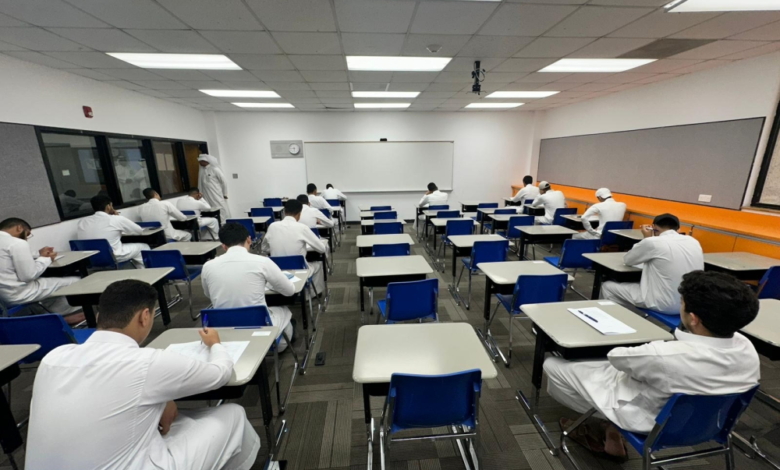
Education departments across Saudi Arabia have raised their alert levels to maximum as the countdown to the final exams for the first semester begins. These intensified measures aim to ensure school discipline and a serious learning environment that guarantees fairness and equal opportunities for all students during this crucial stage of the academic year.
The ministerial directives issued to educational departments and schools emphasized that the current phase does not tolerate any form of negligence and requires the highest levels of attendance commitment from both students and teaching staff. In this context, the ministry instructed disciplinary committees to closely and continuously monitor cases of absence and tardiness, stressing the immediate application of disciplinary measures in accordance with the approved procedural guide for conduct and attendance, including deductions from attendance marks for those absent without a valid excuse.
Preventing the merging of classes and adhering to study plans
In a move aimed at maximizing the use of remaining time, the new directives mandate that educational institutions strictly adhere to the curriculum and conduct classes according to their usual schedules until the last day of school before exams. The Ministry has categorically and definitively prohibited the practice of "combining classes," which some may resort to in the final days, except in the most limited circumstances dictated by extreme necessity and with official approval, to ensure students receive their full right to learning and review.
Context of combating "dead week"
These strict measures come as part of the Ministry of Education's ongoing efforts, spanning several years, to eliminate what is commonly known as "dead week"—the phenomenon of mass student absenteeism preceding exams. Through these firm regulations, the Ministry aims to change the prevailing culture among some families and students that the days leading up to exams are unimportant, emphasizing that this period is crucial for consolidating information and conducting final reviews that enhance learning outcomes.
Monitoring through the "Noor" system and legal accountability
The instructions placed a strong emphasis on data accuracy, urging schools to intensify awareness campaigns for families about the dangers of absenteeism and its negative impact on academic achievement. They also stressed the necessity of meticulously matching students' actual attendance with the data recorded in the "Noor" electronic system on a daily basis. Regulatory bodies deemed any manipulation or leniency in recording absences a serious violation warranting legal and administrative accountability for school leaders, emphasizing that the credibility of the recording process is the fundamental criterion for evaluating institutional performance.
Field teams to ensure readiness
To ensure these directives are implemented effectively, education departments have deployed field teams and specialized committees to conduct intensive and unannounced inspections of schools. These inspections aim to assess discipline, ensure schools are prepared for exams, and identify any violations to be addressed firmly according to regulations. This comprehensive administrative initiative is part of the Kingdom's education development strategy, which aims to create a stable learning environment that enhances students' academic readiness and achieves high-quality educational outcomes.