Education: In-person classes during Ramadan are mandatory; distance learning is not an option

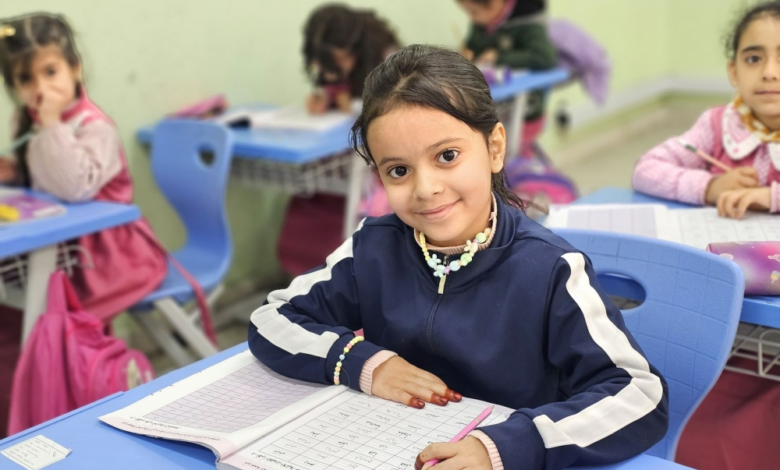
The Ministry of Education has put an end to the widespread debate that resurfaces annually with the approach of the holy month of Ramadan regarding the mode of study, categorically denying all rumors circulating on social media platforms about switching to a "distance learning" system. The Ministry affirmed that in-person classes will continue in all public schools for boys and girls, according to the approved curricula and regulations, emphasizing that promoting the values of discipline, responsibility, and respect for time is a fundamental pillar of the comprehensive educational process that cannot be compromised.
The context of returning to normal life and the quality of education
This decision comes within the framework of the Ministry's strategy to fully restore normalcy to the school environment after the years of the pandemic. Following the Kingdom's successful experiment with distance learning through the "My School" platform during the COVID-19 pandemic as an exceptional measure, the Ministry has reaffirmed that the core of the educational process is direct interaction within classrooms. Educational studies and local reports indicate that in-person attendance enhances students' social and psychological skills and ensures the quality of learning outcomes, which could be negatively impacted by an excessive reliance on technology, especially in the foundational stages.
The educational and national importance of discipline during Ramadan
The insistence on in-person learning during Ramadan is of paramount importance, extending beyond mere academic achievement. It represents a valuable educational opportunity to instill values of commitment and diligence in young people. This approach aims to combat the culture of laziness or lethargy that may be mistakenly associated with fasting, and to reinforce the concept that work and worship are inseparable. This aligns with the goals of the Kingdom's Vision 2030 to build a disciplined generation capable of shouldering responsibility and managing time efficiently under various circumstances, which will positively impact the future of the national workforce.
Strict procedures and close monitoring
In line with this approach, the Ministry has mandated that all schools strictly adhere to educational priorities by fully implementing curricula, class schedules, and operational timetables without any reductions that would disrupt the educational process. School administrations have been instructed to activate programs that incentivize attendance, meticulously monitor absences, and strengthen direct communication channels with families to motivate students and ensure their regular attendance.
The ministry also called on parents to play their pivotal role as partners in success, by creating a suitable environment for their children, regulating their sleep times, and not being swayed by false information, stressing that the school is the natural incubator for building national and Islamic values.