Education Ministry: No retakes for exams for students absent during Ramadan without a valid excuse

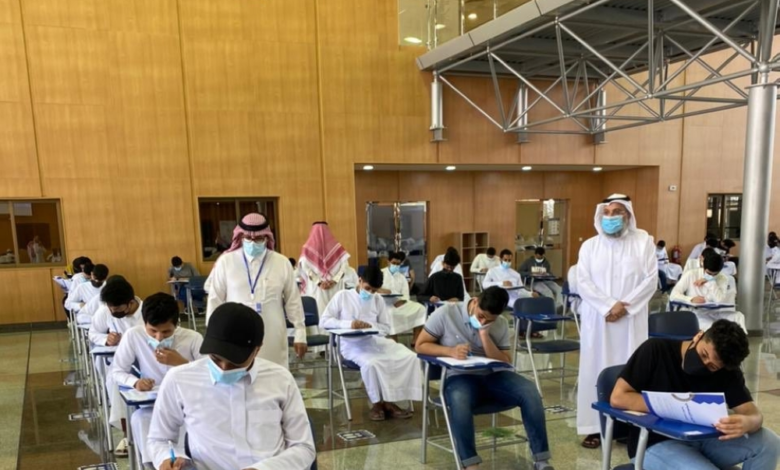
The Ministry of Education has settled the controversy surrounding the possibility of retaking exams for students who were absent during the holy month of Ramadan, confirming in strict directives to schools and education departments in various regions and governorates that the first period exams for the second semester will not be retaken for students who were absent without providing an official and acceptable excuse in accordance with the regulations.
This decision comes at a time when written and oral mid-term exams have begun since the middle of last week, as the ministry aims, through this firm measure, to regulate the educational process and combat the phenomenon of unjustified collective or individual absence that recurs annually during the days of the holy month.
The context of school discipline and the challenges of Ramadan
Historically, educational institutions in the region have faced ongoing challenges regarding the continuity of studies during Ramadan, due to changes in social customs and sleep patterns among students and families. Over the past years, the Ministry of Education has sought to change the prevailing culture that associates fasting with inactivity or absenteeism by imposing stricter regulations and implementing digital monitoring tools.
The current procedures are based on the approved “Student Assessment Regulations,” which clearly state that a student is entitled to retake the exam only if there is a documented medical excuse or compelling circumstance, while a student who is absent without excuse is deprived of exam grades, which directly affects his cumulative grade point average and academic achievement.
Strict measures to prevent educational waste
In a related context, the ministry directed that any leniency regarding the timing of the school day be prevented, emphasizing:
- Strict adherence to attendance and departure times is required, and students are not permitted to leave early except in very urgent cases.
- School administrations bear full responsibility for controlling student attendance and preventing drop-off before the end of the official school day.
- Making full use of class time, as she called on teachers to adopt "active learning" strategies and break the monotony within the classroom to take into account the physiological changes of students during fasting.
The educational and pedagogical importance of the decision
This approach carries significant educational implications that extend beyond simply recording grades; it aims to instill values of commitment and responsibility in young people, and to accustom them to the idea that work and worship are inseparable. The decision also seeks to ensure equal opportunities for all students, so that a disciplined student who attends regularly and works hard is not treated the same as a classmate who is absent without a valid reason.
The ministry stressed the need to immediately activate communication channels with parents, and to send immediate notifications and disciplinary reports, to ensure early intervention and address any educational gap that may occur as a result of absence, stressing that the partnership between the family and the school is the main pillar for the success of educational plans during this blessed month.