130 minutes is the average time for performing Umrah during Ramadan... Official statistics

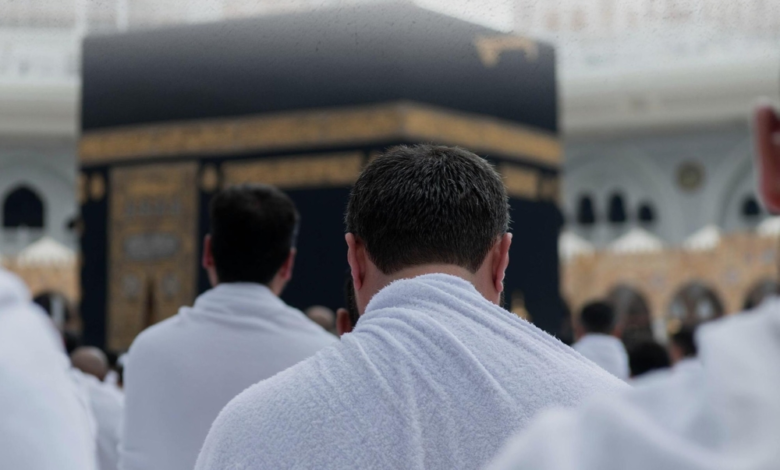
The General Authority for the Care of the Two Holy Mosques revealed the field performance indicators for the pilgrims' journey during the first ten days of Ramadan, demonstrating a high degree of efficiency and outstanding organizational effectiveness in managing crowds within the Grand Mosque in Mecca. Official statistics showed that the average time required to perform all Umrah rituals, from entry to completion of the Sa'i (ritual walking between Safa and Marwa), was only 130 minutes, reflecting the success of the operational plans implemented for this year's season.
Details of the spiritual journey in numbers
The authority detailed the timeframes of the pilgrim's journey, with data indicating that the average time for pilgrims to move from the outer courtyards of the Grand Mosque to the circumambulation area (Mataf) was 16 minutes. Regarding the performance of the rituals, pilgrims took approximately 51 minutes to complete their circumambulation, with the vast majority (79%) preferring to perform it in the Mataf rather than on the upper levels, demonstrating the effectiveness of the crowd management system in the Mataf.
Regarding the Sa'i ritual, the time required to move from the Tawaf stage to the Sa'i area was 12 minutes, while performing the seven circuits of Sa'i took an average of 51 minutes. Statistics revealed a balanced distribution of pilgrims in the Sa'i area, with the ground floor accounting for 50% of the total number of pilgrims, which helped alleviate congestion and facilitate movement.
The importance of timing and performance implications
These figures are particularly significant given the great importance of the holy month of Ramadan to Muslims, as millions from around the world are keen to perform Umrah during this time, seeking the multiplied reward, based on the Prophetic tradition which states that the reward for Umrah during Ramadan is equivalent to performing Hajj with the Prophet (peace and blessings be upon him). The first ten days serve as a true and successful test of the readiness of services before the expected peak of crowds in the last ten days.
These record-breaking time rates reflect the significant development in the services provided in the Two Holy Mosques, and the increasing reliance on modern technologies and artificial intelligence in crowd management, and directing worshippers and pilgrims to less crowded areas through interactive screens and smart applications, to ensure their safety and comfort.
The Kingdom's efforts in serving the pilgrims
These achievements are part of the Kingdom's Vision 2030, which aims to facilitate the hosting of pilgrims to the Two Holy Mosques and provide them with the highest quality services. The General Authority for the Care of the Two Holy Mosques, in coordination with all security, service, and health authorities, works around the clock to ensure a safe and convenient environment for worship. This includes continuous cleaning and sanitization, air conditioning, and the provision of Zamzam water, in addition to the meticulous organization of entrances and passageways to prevent overcrowding, allowing pilgrims to focus on worship in a spiritual atmosphere filled with tranquility and peace.