Egyptian campaign to sterilize stray dogs: Scientific solutions to complaints about their spread

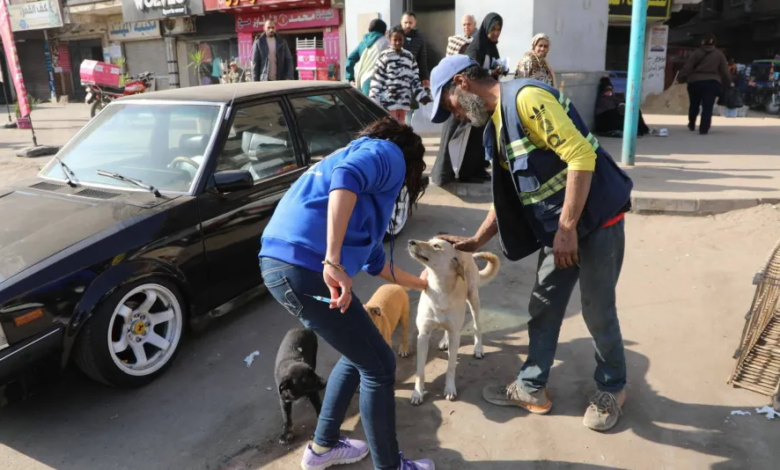
Egyptian authorities have begun implementing a large-scale veterinary campaign aimed at sterilizing and vaccinating stray dogs in the streets, as a direct and scientific response to increasing complaints from citizens about their spread in residential neighborhoods and the potential risks they pose to public safety.
A strategic shift in dealing with the stray dog phenomenon
This campaign represents a radical shift in the strategy for dealing with stray animals in Egypt. Instead of resorting to outdated, traditional methods that sometimes involved the physical elimination of animals—methods that faced widespread criticism from animal welfare associations and international organizations—the General Authority for Veterinary Services, affiliated with the Ministry of Agriculture, has adopted sustainable, scientific solutions. These solutions are based on the global TNVR strategy, which consists of: capturing dogs, sterilizing them to prevent reproduction, vaccinating them against rabies, and then returning them to their natural habitat.
Historical background and context of the crisis
For decades, Egypt has faced a significant challenge regarding the growing number of stray dogs, with frequent complaints of bites and disturbances. Historically, local authorities sometimes resorted to using poisons like strychnine to control the population, sparking widespread ethical and environmental controversy. With increased public awareness and the involvement of civil society organizations, the state has begun adopting a "rabies-free Egypt" approach, aligning with global goals to eliminate rabies by 2030 while preserving ecological balance and animal welfare.
The health and social importance of the campaign
The importance of this campaign extends beyond the humanitarian aspect, encompassing crucial health and economic dimensions. From a health perspective, vaccinating dogs ensures the eradication of rabies outbreaks, protecting citizens, and children in particular, from the risk of fatal bites. From a social perspective, sterilizing dogs helps reduce their aggressive behaviors associated with mating seasons and defending their young, thus decreasing attack incidents and increasing public safety.
Combined governmental and civil efforts
The current campaign relies on the combined efforts of veterinary directorates in various governorates, civil society organizations, and animal welfare associations. Veterinary teams are surveying residential areas and identifying high-density hotspots, which will then be addressed according to sound medical standards, ensuring a long-term, fundamental solution to the problem rather than temporary fixes.