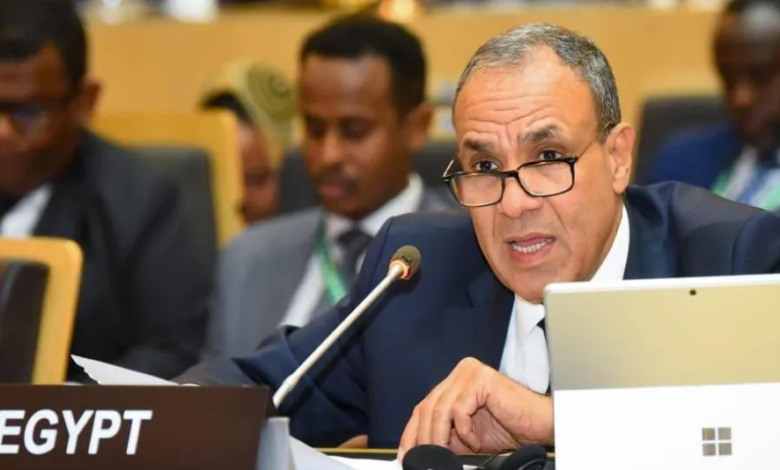

شهدت أروقة القمة الأفريقية الأخيرة حالة من التوتر الدبلوماسي الملحوظ، تمثلت في سجال "غير مباشر" بين مصر وإثيوبيا، حيث هيمنت قضية أمن البحر الأحمر والتحركات الإثيوبية الأخيرة في منطقة القرن الأفريقي على المشهد العام، متجاوزة في بعض الأحيان الملفات التقليدية المطروحة على جدول الأعمال.
ظلال مذكرة التفاهم مع "أرض الصومال"
يأتي هذا السجال الدبلوماسي في وقت بالغ الحساسية، عقب توقيع إثيوبيا مذكرة تفاهم مثيرة للجدل مع إقليم "أرض الصومال" الانفصالي، والتي تمنح أديس أبابا منفذاً بحرياً على البحر الأحمر وقاعدة عسكرية، مقابل الاعتراف المحتمل باستقلال الإقليم. وقد اعتبرت القاهرة هذه الخطوة تهديداً مباشراً للأمن القومي العربي والأفريقي، وانتهاكاً لسيادة دولة الصومال الفيدرالية ووحدة أراضيها، مما دفع الدبلوماسية المصرية لتكثيف تحركاتها داخل أروقة الاتحاد الأفريقي للتأكيد على رفض أي إجراءات أحادية تغير من الوضع الجيوسياسي المستقر في المنطقة.
السياق التاريخي وتراكم الخلافات
لا يمكن فصل هذا السجال الجديد عن تاريخ طويل من الشد والجذب بين البلدين، والذي كان ملف "سد النهضة" محوره الأساسي طوال العقد الماضي. فبينما تسعى إثيوبيا، الدولة الحبيسة منذ استقلال إريتريا في تسعينيات القرن الماضي، إلى إيجاد منافذ بحرية لتعزيز اقتصادها ونفوذها، ترى مصر في هذه التحركات، خاصة عندما تتجاوز الأطر القانونية الدولية وسيادة الدول المجاورة، محاولة لفرض هيمنة إقليمية قد تؤثر على أمن الملاحة في البحر الأحمر، الذي يُعد الشريان الحيوي لقناة السويس والاقتصاد المصري.
الأهمية الاستراتيجية وتأثيرات الحدث
يكتسب هذا الخلاف أهمية قصوى نظراً للموقع الجيوسياسي لمنطقة القرن الأفريقي والبحر الأحمر. فأي توتر في هذه المنطقة لا ينعكس فقط على الدول المشاطئة، بل يمتد تأثيره ليشمل حركة التجارة العالمية. وتخشى الدوائر السياسية من أن يؤدي الإصرار الإثيوبي على تنفيذ الاتفاق مع "أرض الصومال" إلى عسكرة البحر الأحمر وجلب قوى دولية متنافسة إلى المنطقة، مما يزيد من تعقيد المشهد الأمني الهش أصلاً في ظل الصراعات القائمة في السودان واليمن.
الموقف الإقليمي والدولي
خلال القمة، سعت مصر لحشد دعم أفريقي يؤكد على مبادئ القانون التأسيسي للاتحاد الأفريقي، وتحديداً احترام الحدود الموروثة عند الاستقلال. ويشير المراقبون إلى أن هذا السجال غير المباشر يعكس صراع إرادات حول من يملك مفاتيح الأمن الإقليمي، حيث تحاول مصر الحفاظ على التوازنات التقليدية ودعم الحكومة الصومالية في مقديشو، بينما تحاول إثيوبيا كسر عزلتها الجغرافية بفرض واقع جديد، وهو ما ينذر باستمرار حالة البرود الدبلوماسي وربما التصعيد السياسي في المحافل الدولية القادمة.