
Introduction: Anticipation of crucial decisions regarding fuel prices in Egypt
Amidst rapid economic developments and fluctuations in global energy markets, the attention of the Egyptian public and economic experts is focused on the automatic pricing committee for petroleum products in Egypt. Reliable sources have revealed that the committee intends to hold another extraordinary meeting within the next two months. This anticipated meeting aims to review fuel prices in the local market, responding to the recent significant increases in global oil prices and their direct impact on import costs.
Global context: Geopolitical tensions and their impact on Brent crude
These Egyptian moves come at a time of significant instability in global energy markets. Brent crude futures for May delivery rose 1.3%, nearing the $100 per barrel mark. This increase is primarily attributed to escalating geopolitical tensions in the Middle East, particularly the intensifying regional conflicts and unrest, including tensions between the United States, Israel, and Iran. These rapidly unfolding events have disrupted supply chains and shipping, fueling investor concerns and driving oil prices to record highs, which directly impacts the cost of energy imports for oil-importing countries.
Local background: Price structure and the impact of the exchange rate
On the local front, an official source told Al Arabiya Business that the pricing committee began in March to prepare a comprehensive framework for the Brent crude oil price curve, in addition to a thorough study of the Egyptian pound's exchange rate against the US dollar. These factors are considered key determinants in any new decision regarding the pricing structure to be applied to petroleum products. It is expected that the trading and supply of these products to various sectors will be based on these new data starting in the next fiscal year (2026/2027), to ensure market equilibrium and reduce the financing gap borne by the state.
Details of the latest fuel price increases
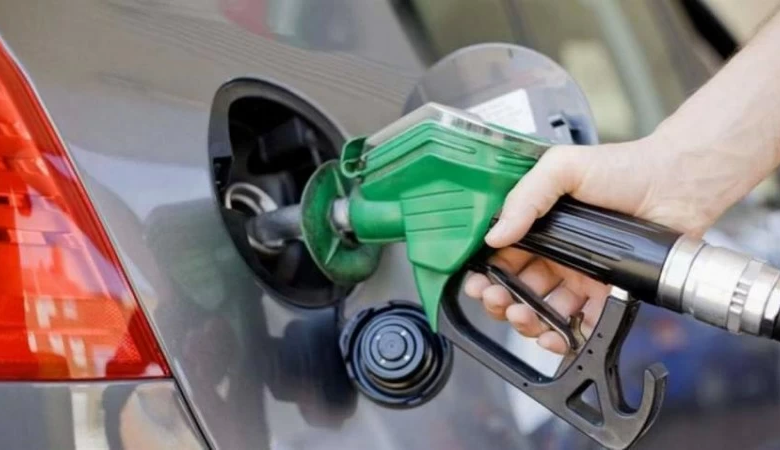
It is worth noting that Egypt approved a package of fuel and gas price increases on March 10, ranging between 14% and 30%. According to official data issued by the Ministry of Petroleum and Mineral Resources, the price of a liter of 95-octane gasoline rose from 21 Egyptian pounds to 24 pounds, an increase of 14.29%. The price of 92-octane gasoline also increased by 15.58% to reach 22.25 pounds per liter, while 80-octane gasoline saw a 16.9% increase to reach 20.75 pounds per liter.
The price increases weren't limited to gasoline; they also included diesel, the primary driver of the transportation sector and the cost of goods, which saw its price rise by 17.4% to reach 20.50 Egyptian pounds per liter. The price of natural gas for vehicles also jumped by approximately 30%, reaching 13 Egyptian pounds per cubic meter compared to 10 Egyptian pounds before the decision. For both residential and commercial use, the price of a 12.5 kg gas cylinder increased from 225 Egyptian pounds to 275 Egyptian pounds, while a 25 kg commercial cylinder rose from 450 Egyptian pounds to 550 Egyptian pounds, an increase of nearly 22%.
Economic repercussions and the state of the general budget
These global developments are placing significant financial pressure on the state budget. According to sources, the Egyptian budget is bearing an increase of between 27% and 33% in the cost of importing Brent crude. The government had estimated the price of a barrel of oil in its budget at around $75, but current prices, approaching $100 per barrel, have led to a massive rise in the cost of imports and domestic production. This vast difference necessitates exceptional interventions to control the budget deficit and ensure the continued availability of petroleum products in the markets.
Looking ahead: Will prices decline?
In an effort to clarify the future outlook, Egyptian Prime Minister Dr. Mostafa Madbouly pledged that the government would review its decisions regarding fuel price adjustments if regional tensions and conflicts affecting the region were to subside. This statement reflects the government's flexible policy in dealing with emerging crises and underscores that current pricing is a direct response to pressing geopolitical circumstances, thus opening the door to the possibility of price stabilization should the international arena calm down in the near future.