Egypt warns: No tolerance for any infringement on its share of Nile River water

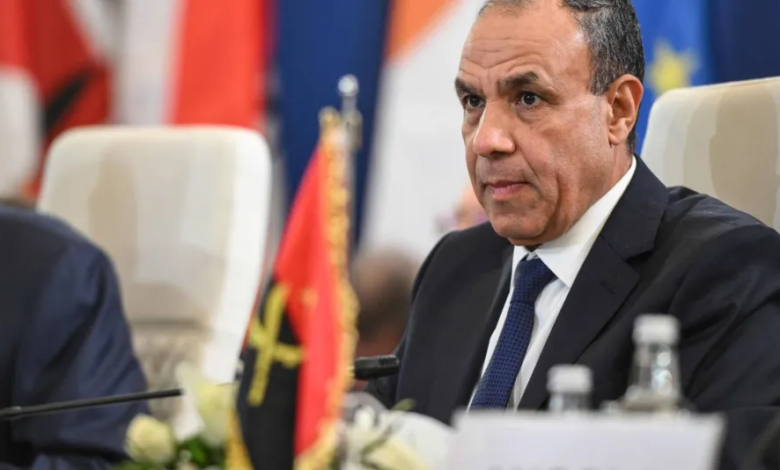
In decisive statements reflecting the constants of Egyptian foreign policy, the Egyptian Foreign Minister affirmed that there is no room for tolerance or leniency towards any infringement on Egypt’s rights to the waters of the Nile River, stressing that Egyptian water security is an existential issue related to the life and future of the Egyptian people, and does not accept compromise or negotiation that diminishes rights.
Egypt's firm stance on the water issue
These statements reflect Egypt's firm stance that the Nile River is a red line, as Cairo continues its intensive diplomatic efforts at all levels to secure its annual water share. The Egyptian Ministry of Foreign Affairs has repeatedly clarified that Egypt is not opposed to development in the Nile Basin countries, but stipulates that such development must not come at the expense of its own water security or cause significant harm to downstream countries, basing this position on the principles of international law and established norms in the management of transboundary rivers.
The context of the Grand Ethiopian Renaissance Dam (GERD) crisis and the stalled negotiations
This statement is closely linked to the Grand Ethiopian Renaissance Dam (GERD) project, which has posed the most significant challenge to Egyptian and Sudanese water security for over a decade. For many years, Egypt has engaged in arduous and complex negotiations with both Ethiopia and Sudan to reach a legally binding agreement governing the filling and operation of the dam. Through this agreement, Egypt seeks to ensure its water share remains unaffected during periods of drought and prolonged dry spells, and to prevent any environmental or economic damage to Egypt's irrigation and agricultural systems, upon which millions of citizens depend.
The strategic and historical importance of the Nile River
The Nile River is of exceptional importance to Egypt, a downstream country that relies on it for over 97% of its water needs for drinking, agriculture, and industry. Egypt bases its defense of its rights on historical and legal agreements guaranteeing its share, as well as the principle of "not causing harm" enshrined in international law. Egypt faces increasing water challenges due to steady population growth and limited water resources, making any reduction in Nile flows a direct threat to the country's national security and socio-economic stability.
Regional and international moves
Egypt did not limit itself to the trilateral negotiation track, but rather resorted to internationalizing the issue and presenting it to the UN Security Council and the African Union, with the aim of reminding the international community of its responsibilities in maintaining international peace and security in the Horn of Africa and the Nile Basin. Egyptian diplomacy consistently emphasizes the necessity of political will from all parties to reach consensual solutions, warning that policies of imposing a fait accompli or unilateral actions will only lead to further tension in the region, and that Egypt reserves its legitimate right to take all necessary measures to protect the interests of its people.