Egypt and Greece: Efforts to recover the bodies of victims of illegal immigration

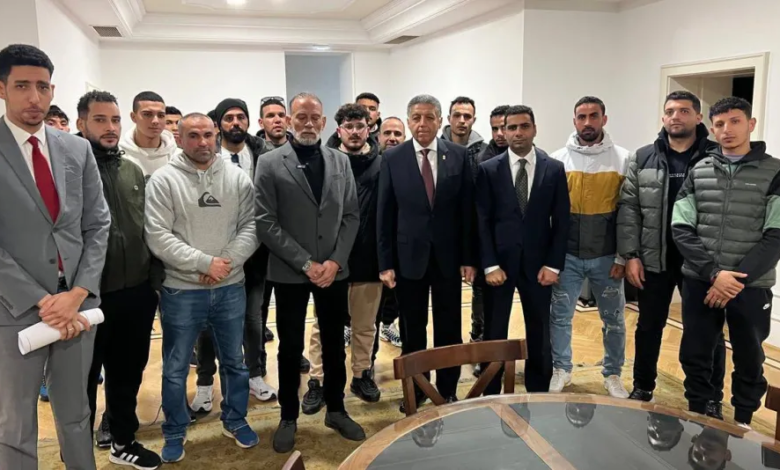
Egyptian authorities are continuing their intensive diplomatic and consular efforts, in coordination with their Greek counterparts, to follow up on the aftermath of the migrant boat sinking off the Greek coast. Their aim is to expedite the repatriation of the bodies of the Egyptian victims who perished in this tragic incident. These actions stem from the Egyptian state's commitment to the well-being of its citizens abroad and its dedication to addressing their needs under all circumstances.
Diplomatic efforts and identification procedures
The Egyptian Ministry of Foreign Affairs, through its embassy in Athens, is working around the clock to follow up on the necessary legal and medical procedures. This coordination includes exchanging information and data on missing persons and facilitating the matching of DNA samples collected from the families of potential victims in Egypt with samples taken from bodies held by Greek authorities. This step is crucial for definitively identifying the deceased before initiating procedures for repatriating the bodies for burial.
General context and the migration crisis in the Mediterranean
This incident has once again highlighted the tragedy of illegal migration across the Mediterranean, which has claimed the lives of thousands of young people seeking better opportunities in Europe. Greece is one of the main transit points for migrants, making coordination between Cairo and Athens vital and strategic on this issue. Egypt and Greece enjoy strong historical ties and a strategic partnership encompassing various fields, including security and political cooperation to address shared regional challenges.
Egypt's role in combating illegal immigration
It is worth noting that Egypt is making tremendous efforts to combat illegal migration. Since 2016, the country has successfully prevented any illegal migration vessels from departing its shores, thanks to strict legislation and tight security measures, in addition to presidential initiatives such as "Lifeboats" to raise awareness of the dangers of these journeys and provide developmental alternatives for young people. Nevertheless, human trafficking gangs continue to exploit loopholes in neighboring countries to facilitate these deadly voyages, necessitating broader international cooperation to dismantle these criminal networks.
Human and legal dimensions
The Egyptian political leadership places great importance on the humanitarian dimension of such disasters, directing all state agencies to remove obstacles for the victims' families and provide them with the necessary support during their profound grief. This swift action and high-level coordination with the Greek side underscores Egypt's commitment to its responsibilities towards its citizens and its tireless efforts to ensure the dignified return of the remains while respecting the feelings of their families.