
مقدمة: خطوة استراتيجية نحو تسهيل المعاملات
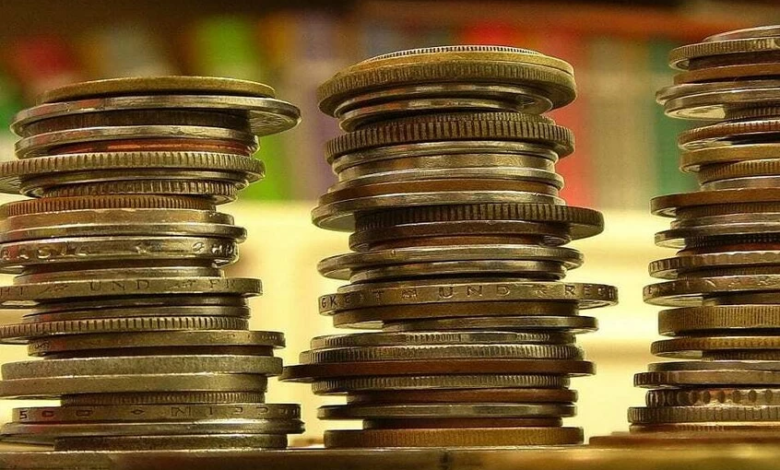
أعلنت مصلحة الخزانة العامة وسك العملة في مصر عن خطوة اقتصادية هامة تتمثل في استكمال الاستعدادات الفنية اللازمة لتحديث بعض العملات المعدنية المتداولة، بالإضافة إلى استحداث عملة معدنية جديدة في مصر من فئة «2 جنيه». تأتي هذه الخطوة الاستراتيجية بهدف دعم هيكل الفئات النقدية وتيسير المعاملات اليومية للمواطنين في مختلف الأسواق، وتخفيف الضغط على الفئات الورقية الصغيرة.
السياق التاريخي لتطور العملة المعدنية في مصر
يعود تاريخ العملة المصرية إلى قرون مضت، حيث تم اعتماد الجنيه المصري كعملة رسمية في عام 1834. وعلى مدار العقود، شهدت العملات المعدنية في مصر تطورات عديدة استجابة للمتغيرات الاقتصادية العالمية والمحلية. في عام 2005، اتخذت مصر خطوة بارزة بطرح الجنيه المعدني ونصف الجنيه المعدني لتسهيل التداول وتقليل الاعتماد على العملات الورقية ذات الفئات الصغيرة التي تتعرض للتلف السريع. ومع التضخم وتغير أسعار المعادن عالمياً، أصبحت الحاجة ملحة اليوم لإعادة هيكلة هذه العملات بما يتناسب مع القيمة الفعلية للمعادن المستخدمة في سكها، وهو ما يفسر التوجه الحالي نحو استخدام سبائك أكثر اقتصادية.
تفاصيل طرح عملة معدنية جديدة وتحديث الفئات الحالية
أكد رئيس مصلحة الخزانة العامة وسك العملة، جمال حسين، أن خطة التطوير الشاملة تشمل الإبقاء على جميع العملات المعدنية المتداولة حالياً دون إلغاء أي فئة، وعلى رأسها فئة الجنيه، ولكن مع طرحها بمواصفات فنية محدثة. يشمل هذا التحديث تغيير التركيب المعدني (السبيكة) لبعض الفئات، خصوصاً الجنيه، باستخدام خامات اقتصادية. هذا التحديث يحقق التوازن المطلوب بين القيمة الاسمية للعملة وتكلفة إنتاجها الفنية.
وأضاف حسين أن الخطة تتضمن استحداث عملة معدنية جديدة فئة «2 جنيه»، مما يعزز من كفاءة منظومة «الفكة» ويوفر فئات نقدية أكثر ملاءمة للمعاملات اليومية المتكررة، خصوصاً في المناطق ذات الكثافة السكانية العالية والأنشطة التجارية المكثفة التي تعتمد بشكل كبير على النقد الكاش.
أهمية الحدث: مواجهة أزمة “الفكة” وظاهرة صهر العملات
تشهد الأسواق المصرية منذ فترة نقصاً ملحوظاً في العملات المعدنية الصغيرة أو ما يُعرف محلياً بـ “الفكة”. أثر هذا النقص بشكل مباشر على المعاملات اليومية في وسائل المواصلات العامة، المخابز، الأسواق الشعبية، والخدمات الأساسية. يعود جزء كبير من هذه الأزمة إلى ظاهرة غير قانونية تتمثل في صهر العملات المعدنية؛ حيث يقوم بعض الأفراد بجمعها وصهرها لاستخراج المعادن الثمينة منها أو إعادة تدويرها، وذلك نظراً لارتفاع تكلفة الخامات عالمياً مقارنة بالقيمة الاسمية للعملة. التحديث الجديد للسبائك سيساهم بشكل فعال في الحد من الجدوى الاقتصادية لهذه الممارسات غير المشروعة.
التأثير المتوقع على الاقتصاد المحلي
من المتوقع أن يترك هذا القرار تأثيراً إيجابياً ملموساً على الاقتصاد المحلي. فمن ناحية، سيضمن استمرار تداول الفئات الحالية (ربع الجنيه، ونصف الجنيه، والجنيه) كعناصر أساسية في منظومة الفكة مع تعزيز ضخ الكميات المناسبة منها إلى الأسواق. ومن ناحية أخرى، تأتي هذه الإجراءات ضمن رؤية متكاملة للحكومة المصرية تهدف إلى رفع كفاءة منظومة العملات المساعدة، وضمان استدامة إمداد السوق بها بانتظام.
تُعد هذه الخطوة جزءاً لا يتجزأ من جهود الدولة لتطوير المنظومة النقدية، وتحسين كفاءة التداول اليومي، مع الحفاظ على دور العملات المعدنية كعنصر أساسي في الحياة الاقتصادية، بالتوازي مع الجهود المستمرة لدعم التحول نحو الاقتصاد غير النقدي والشمول المالي في إطار رؤية مصر 2030.