The truth about the increase in metro ticket prices in Egypt and citizens' concerns

Despite repeated government statements affirming the "stability" of metro ticket prices for the time being, a sense of anxiety and anticipation still prevails among the Egyptian public. Official assurances do not appear to have fully dispelled the fears of citizens who rely on the metro as their primary daily mode of transportation, especially given the current economic conditions and past experiences with the gradual lifting of subsidies on public services.
Historical context: From the unified ticket to the station system
The concerns of the Egyptian public are rooted in recent history, as the Cairo Metro has undergone radical changes in pricing policies over the past few years. After decades of a fixed ticket price of one Egyptian pound across all lines, the government began implementing a plan to gradually reduce subsidies and improve service. This led to the abolition of the flat-rate system and its replacement with a zonal pricing system based on the number of stations. These increases became noticeable starting in 2018, and price adjustments have continued to align with operating costs. This leaves citizens constantly on edge, awaiting any new announcements, especially with the opening of new phases of the third and fourth lines.
Economic pressures and operating costs
These concerns arise within a broader economic context, as the Egyptian economy faces challenges related to inflation and rising energy costs and the importation of spare parts needed for train and network maintenance. Citizens are aware that the cost of operating the service has increased both globally and domestically, reinforcing suspicions that the government may sooner or later be forced to adjust fares to reduce the gap between ticket prices and the actual cost of travel, especially as the Ministry of Transport strives to achieve financial equilibrium for its affiliated economic bodies to ensure the service's sustainability.
The importance of the metro as a lifeline for Greater Cairo
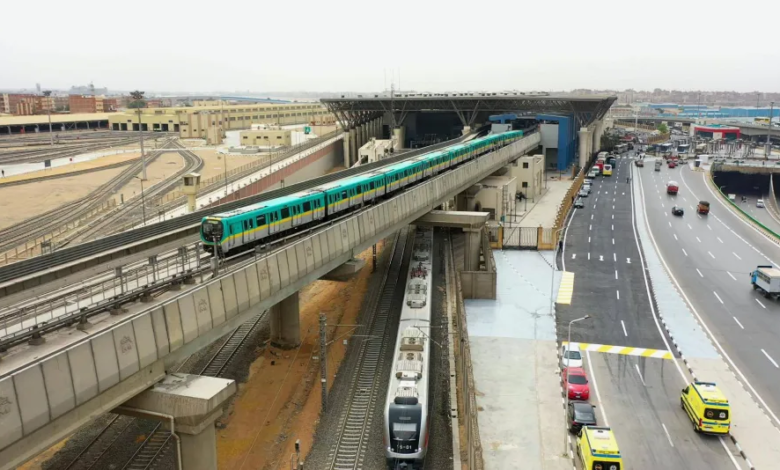
The issue of metro ticket prices is particularly sensitive given its crucial importance to the residents of Greater Cairo. The metro is the main artery transporting millions of passengers daily between the governorates of Cairo, Giza, and Qalyubia, providing a fast and safe alternative to crowded surface transportation. Any price increase, however slight, represents an additional burden on the budgets of middle- and low-income families, who allocate a significant portion of their income to transportation. Therefore, all eyes remain fixed on any official decisions, with hopes that any future policies will take into account the social circumstances of citizens.