
مقدمة: مشروع الدلتا الجديدة كدرع استراتيجي
في ظل التحديات الاقتصادية والجيوسياسية التي يشهدها العالم، يبرز «مشروع الدلتا الجديدة» كواحد من أهم المشروعات القومية العملاقة التي أطلقتها جمهورية مصر العربية في السنوات الأخيرة. يهدف هذا المشروع الطموح إلى تعزيز الأمن الغذائي المصري وتحقيق الاكتفاء الذاتي من المحاصيل الاستراتيجية، وذلك في وقت تتزايد فيه الاضطرابات الإقليمية والعالمية التي تؤثر بشكل مباشر على سلاسل الإمداد وتوريد الغذاء.
السياق العام والخلفية التاريخية للزراعة في مصر
تاريخياً، اعتمدت مصر بشكل شبه كلي على شريط ضيق يمتد على ضفاف نهر النيل والدلتا القديمة، والذي لا يمثل سوى نسبة ضئيلة من مساحة البلاد الإجمالية. ومع الانفجار السكاني المستمر وتجاوز عدد السكان حاجز الـ 105 ملايين نسمة، إلى جانب التعديات المستمرة على الأراضي الزراعية بسبب الزحف العمراني، باتت الحاجة ملحة لإيجاد بدائل مستدامة. من هنا، جاء التوجه الاستراتيجي نحو الصحراء الغربية، وتحديداً محور الضبعة، لإنشاء دلتا زراعية جديدة توازي في مساحتها وأهميتها الدلتا القديمة، وتعتمد على أحدث تكنولوجيا الزراعة والري.
تفاصيل مشروع الدلتا الجديدة ومكوناته
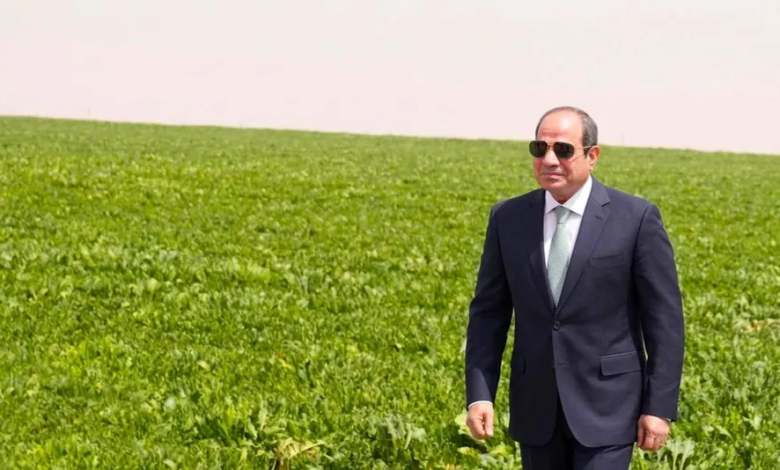
يمتد مشروع الدلتا الجديدة على مساحة تتجاوز 2.2 مليون فدان، ويضم في قلبه مشروع «مستقبل مصر» للإنتاج الزراعي. يعتمد المشروع على مصادر مياه متنوعة ومستدامة، من أبرزها محطة معالجة مياه الصرف الزراعي بالحمام، والتي تعد من الأكبر من نوعها في العالم، بالإضافة إلى المياه الجوفية. يتم استخدام أنظمة ري حديثة وذكية لترشيد استهلاك المياه وضمان أعلى إنتاجية ممكنة للفدان. ويركز المشروع على زراعة محاصيل حيوية مثل القمح، الذرة، بنجر السكر، والمحاصيل الزيتية التي تكلف خزانة الدولة مليارات الدولارات لاستيرادها سنوياً.
أهمية الحدث وتأثيره المحلي
على الصعيد المحلي، يمثل مشروع الدلتا الجديدة طوق نجاة للاقتصاد المصري. فهو لا يقتصر فقط على الزراعة، بل يمتد ليشمل مجمعات صناعية زراعية متكاملة، مما يساهم في خلق الملايين من فرص العمل المباشرة وغير المباشرة للشباب المصري. كما يلعب دوراً حاسماً في تقليل الفجوة الاستيرادية، وتخفيف الضغط على العملة الصعبة، واستقرار أسعار السلع الغذائية الأساسية في الأسواق المحلية، مما ينعكس إيجاباً على مستوى معيشة المواطن.
التأثير الإقليمي والدولي وسط اضطرابات المنطقة
إقليمياً ودولياً، تكتسب الخطوات المصرية نحو تحقيق الأمن الغذائي أهمية مضاعفة. فقد أثبتت الأزمات المتلاحقة، بدءاً من جائحة كورونا وصولاً إلى الصراعات المسلحة في شرق أوروبا والاضطرابات في منطقة الشرق الأوسط، أن الاعتماد على الاستيراد لتأمين الغذاء يمثل خطراً على الأمن القومي. من خلال الدلتا الجديدة، تقدم مصر نموذجاً إقليمياً رائداً في كيفية إدارة الموارد وتحويل التحديات الصحراوية إلى فرص تنموية. هذا التوجه يعزز من استقلالية القرار السياسي المصري، ويجعل الاقتصاد أكثر مرونة وقدرة على امتصاص الصدمات الخارجية، مما يرسخ مكانة مصر كقوة استقرار في منطقة مضطربة.
خاتمة
في الختام، لا يعد مشروع الدلتا الجديدة مجرد توسع زراعي، بل هو رؤية استراتيجية شاملة تعيد رسم الخريطة الديموغرافية والاقتصادية لمصر. إنه استثمار حقيقي في المستقبل، يضمن للأجيال القادمة حقها في الغذاء الآمن، ويؤكد قدرة الدولة المصرية على استباق الأزمات وتأمين مقدراتها وسط عالم يموج بالتغيرات والاضطرابات.