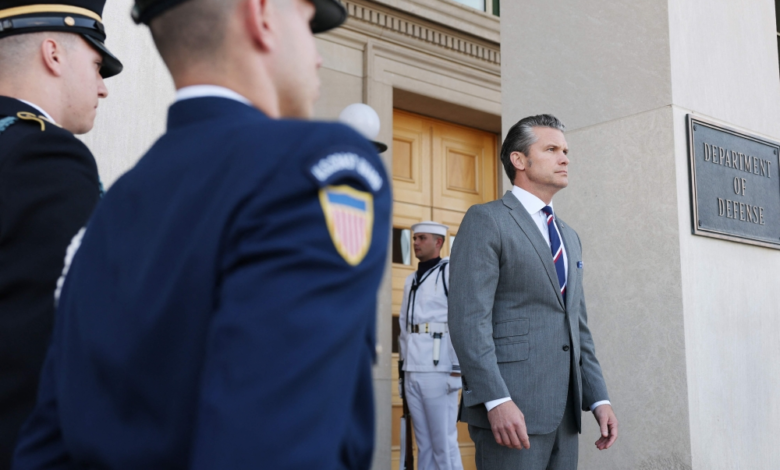
The absence of the US Secretary of Defense from the NATO meeting: reasons and implications

In a significant development that casts a shadow over the future of transatlantic relations, it has been confirmed that US Defense Secretary Pete Haigset will not attend the NATO defense ministers' meeting scheduled for February 12 in Brussels, Belgium. A senior US official confirmed this, indicating that Haigset will not be present at this crucial meeting, which comes at a highly sensitive time for global security.
Who will stand in for the US Secretary of Defense?
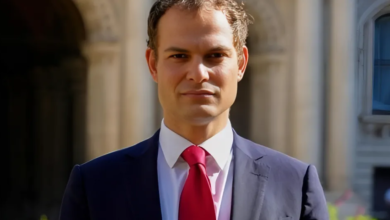
According to official sources, the absent minister will be replaced by the third-ranking official at the U.S. Department of Defense (the Pentagon), Elbridge Colby. While Colby is a key figure in shaping U.S. defense strategies, sending a third-tier official to represent the United States at a meeting of this magnitude could send mixed messages to European allies, particularly given current geopolitical tensions.
Background to the tension: The Greenland crisis and sovereignty
This absence cannot be separated from the broader context of the strained relationship between the current US administration and NATO. Last January, US President Donald Trump sparked widespread controversy, reminiscent of past crises, by threatening to impose US control over Greenland, a self-governing territory under Danish sovereignty. This stance revived European fears of unilateralism in US policy, as the US president sees the territory as needing US protection for strategic reasons—a move that was met with firm Danish and European rejection.
Strategic importance and movements in the Arctic
These developments come as NATO has begun planning a military mission to the Arctic in response to growing US concerns about international competition in that resource-rich region. Analysts suggest that the absence of the US Secretary of Defense could be interpreted as a political pressure tactic or an expression of dissatisfaction with the alliance's response to US demands, particularly regarding increased defense spending and a fairer distribution of financial burdens.
Impact of the event on the cohesion of the alliance
The NATO defense ministers' meeting is a crucial forum for coordinating military and political efforts among member states. The absence of the top U.S. defense official could affect the speed of decision-making, particularly on sensitive issues such as military support for Ukraine and strengthening the alliance's eastern flank. The question remains whether this absence is merely a logistical issue or indicative of a new approach by Washington in its dealings with its traditional partners in Europe.