Egypt and Sudan: The truth about mistreatment of expatriates and the social media controversy

Despite repeated official assurances from Cairo and categorical denials of any systematic intention to offend Sudanese citizens, social media platforms remain a battleground for heated exchanges and widespread debate. The official Egyptian denials have failed to quell the verbal attacks, which reignite with each individual video or rumor circulating online, reflecting a gap between the official political stance and public sentiment in the digital sphere.
General context: The displacement crisis and the challenges of integration
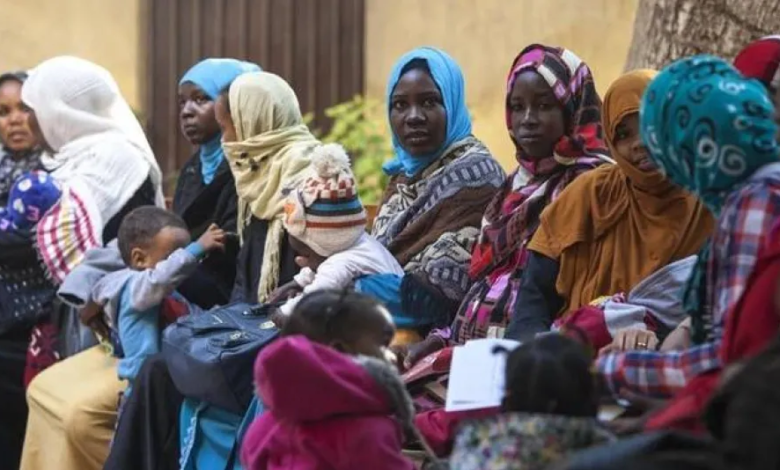
These digital tensions come at a highly sensitive time, as Egypt has received hundreds of thousands of Sudanese refugees since the outbreak of armed conflict in Sudan in mid-April 2023 between the Sudanese army and the Rapid Support Forces. Egypt opened its doors to its brothers and sisters fleeing the ravages of war, driven by its moral and national obligations. However, the large influx, at a time when Egypt is grappling with economic challenges and inflationary pressures, has created fertile ground for some individual frictions that are quickly amplified on social media, taking on dimensions far beyond their actual scale.
Historical background: Timeless relationships that transcend crises
To understand the nature of what is happening, one must consider the depth of Egyptian-Sudanese relations, often described as "eternal" and "the unity of the Nile Valley." Historically, the two countries have been bound by numerous agreements granting their citizens special privileges, most notably the "Four Freedoms" agreement signed in 2004, which stipulates freedom of movement, residence, work, and property ownership. Cairo has always considered Khartoum a strategic and security depth, and Sudanese have regarded Egypt as their second home. This background makes any talk of "abuse" officially and popularly unacceptable to the vast majority. However, recent demographic and economic changes have put these historical perceptions to the test of public pressure.
The regional importance and impact of the event
This debate cannot be confined to the framework of a "trend" or fleeting skirmishes, but rather carries important political and security implications:
- On the local level: These discussions raise questions about the ability of Egypt’s infrastructure and services to accommodate more guests in light of the current economic crisis.
- On the regional level: The two countries are keen not to allow these voices to disrupt diplomatic relations, especially given the need for joint coordination between the two countries on vital issues such as Red Sea security and the Grand Ethiopian Renaissance Dam (GERD) file.
- Internationally: The international community is monitoring how neighboring countries are dealing with the Sudanese crisis, as Egypt is the largest and most stable destination for refugees, and any societal tension could affect relief efforts and regional stability.
In conclusion, the hope remains that the Egyptian and Sudanese people will be aware of the pitfalls of "electronic strife" and focus on the human and historical aspect that unites the sons of the Nile, with the need for wise handling of any individual transgressions by law, away from harmful generalizations.