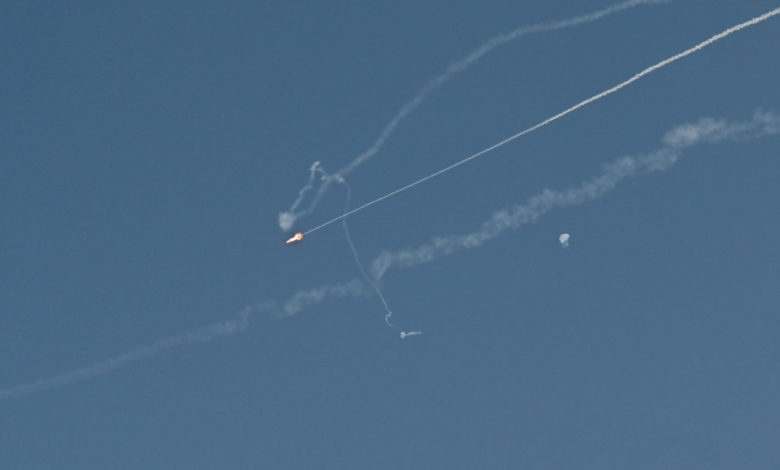
Defense: Three drones successfully intercepted and destroyed in the Eastern Province

Details of intercepting and destroying drones
The Ministry of Defense announced that air defense forces successfully intercepted and destroyed three explosive-laden drones (unmanned aerial vehicles) heading towards the eastern region. This achievement reaffirms the high level of competence and constant vigilance of the armed forces in protecting the nation's airspace and assets from any hostile threats. These aerial targets were engaged with extreme precision in accordance with strict rules of engagement, resulting in their complete destruction without any civilian casualties or damage to infrastructure.
General context and historical background of the event
Over the past years, the region has faced escalating security challenges, including repeated attempts by hostile militias to target civilian infrastructure and vital facilities using drones and ballistic missiles. In response, air defense forces have continuously upgraded their systems, employing the latest military technologies and advanced radars to detect, track, and destroy these threats before they reach their targets. These hostile acts constitute a blatant violation of international laws and norms that prohibit targeting civilians and civilian infrastructure in any way.
The strategic importance of the Eastern Province
The Eastern Province holds immense importance not only domestically but also internationally. It represents the backbone of the national economy and houses vital oil and gas facilities that directly contribute to the stability of global energy markets. Therefore, any attempt to target this region constitutes a direct threat to global energy security and the international economy as a whole. The success of air defenses in neutralizing these threats reflects the exceptional ability to secure these vital assets and ensure the uninterrupted flow of energy supplies to the entire world.
The expected impact of the event locally, regionally, and internationally
On the local level: This success sends a strong message of reassurance to citizens and residents that the Kingdom’s skies are protected with strength and determination, and that there are vigilant eyes that never sleep for their security and safety, which enhances confidence in the capabilities of the armed forces and their readiness to deal with any emergency.
Regionally and internationally, this event underscores the pivotal role the Kingdom plays in maintaining the security and stability of the region. These hostile attempts are frequently met with widespread condemnation from the international community, which affirms its full solidarity with the Kingdom and its support for its legitimate right to take all necessary measures to protect its territory. The continuation of these successes reinforces the Kingdom's position as a power capable of deterring threats and contributing effectively to international peace and security.
conclusion
In conclusion, the Ministry of Defense emphasizes that it will continue to take all deterrent and decisive measures to neutralize any threat targeting the security and stability of the country, stressing that the armed forces are on the lookout for anyone who dares to compromise the security of the homeland and its vital assets.