Relocation of embassies to the new administrative capital: Details of the diplomatic quarter

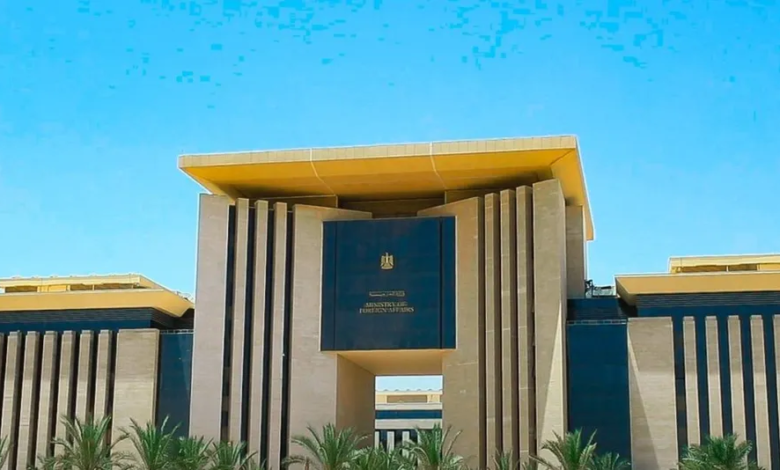
The Egyptian government is intensifying its diplomatic and coordination efforts to encourage diplomatic missions and foreign embassies located in Cairo to move their headquarters to the new administrative capital , specifically to the diplomatic quarter, which was designed according to the latest international standards to be a new political and diplomatic center in the Middle East.
General context and the New Administrative Capital project
This move comes within the framework of the Egyptian state's strategic vision, launched in 2015 with the establishment of the New Administrative Capital, one of its most important mega-projects. This step primarily aims to alleviate population and traffic pressure on Greater Cairo, which suffers from severe overcrowding, and to create a sophisticated governmental and diplomatic work environment based on modern technology and smart infrastructure. The Egyptian government has already set the example, with ministries, government agencies, the House of Representatives, and the Senate relocating to their new headquarters, sending a reassuring and serious message to foreign missions about the city's readiness for life and work.
Diplomatic Quarter: Smart and Sustainable Infrastructure
The Diplomatic Quarter in the New Administrative Capital is one of the city's most prominent districts, designed to accommodate embassies, consulates, and the headquarters of international organizations. The quarter boasts state-of-the-art infrastructure, including high-speed communication networks, smart security systems, and expansive green spaces, providing a safe and comfortable working environment for diplomats. Several countries have already purchased land within the quarter to construct their new embassies, responding to Egyptian invitations and recognizing the city's potential as the nation's administrative center.
Strategic and economic importance
The relocation of embassies is not merely a logistical matter; it also carries significant political and economic dimensions. Domestically, vacating the old diplomatic premises in downtown Cairo and Giza will contribute to the redevelopment of these areas for tourism or commercial purposes, thus alleviating traffic congestion in the heart of the old capital. Internationally, consolidating embassies in a single, modern area will facilitate diplomatic communication and enhance Egypt's image as a modern nation striving for regional leadership. Furthermore, this move opens up vast opportunities for real estate and service sector investment in the new capital, bolstering the national economy and attracting further foreign direct investment.
In conclusion, Egypt’s invitation to foreign embassies to relocate is a natural step that coincides with the completion of the features of the new republic, as the state seeks to make the administrative capital a model for smart and sustainable cities in Africa and the Middle East.