White sands in Egypt: an economic treasure and the challenges of optimal exploitation

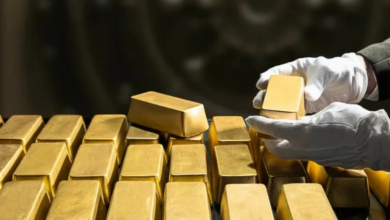
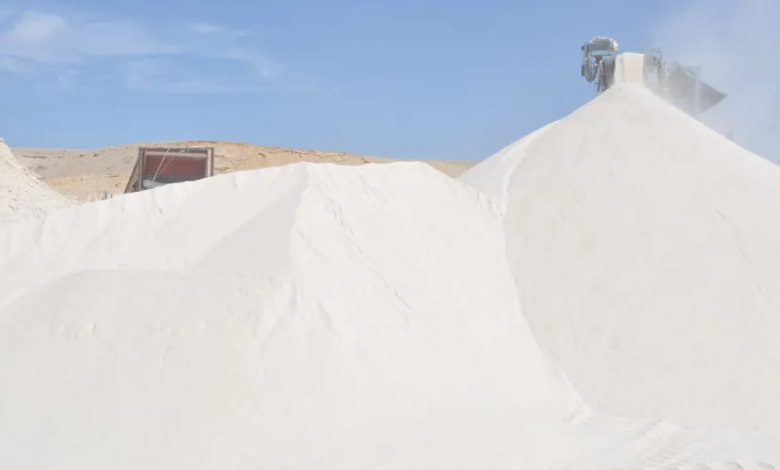
Recent incidents of encroachment and attempted theft of white sand in some desert regions of Egypt have reignited discussions about one of the country's most important natural resources: white sand, also known as silica sand. These events were not isolated crimes, but rather served as a wake-up call, refocusing attention on the immense economic value of this resource, often referred to as "white gold," which is a cornerstone of advanced technological industries worldwide.
Historical and geographical background of the Egyptian treasure
Egypt possesses vast reserves of high-quality white sand, with geological estimates suggesting billions of tons. These reserves are primarily concentrated in the Sinai Peninsula (North and South Sinai), as well as in areas of the Eastern Desert and the Qena Valley. Egyptian sand is distinguished by its exceptional purity, with a silica content exceeding 99%, making it among the finest and most sought-after types in the world.
The importance of white sand: the backbone of modern industries
The danger of wasting or stealing this resource lies in its industrial value; white sand is not merely a building material, but the primary raw material for manufacturing various types of glass and crystal, and, most importantly, plays a vital role in the production of solar cells and microchips. With global technological advancements and the shift towards clean energy, the demand for pure silica has reached unprecedented levels, steadily increasing its market value.
From raw material exports to manufacturing: The vision of the new state
For many years, this sector suffered from the export of sand as a raw material at meager prices that did not reflect its true value, representing a waste of national resources. However, in recent years, the Egyptian government has taken serious and decisive steps to stem this hemorrhage by banning the export of raw sand and requiring it to undergo processing to increase its added value. These measures aim to maximize economic returns, as converting sand into glass or silicon metals increases the price per ton tenfold, thus contributing to supporting the national economy and saving foreign currency.
Economic and strategic impact
Addressing the theft of white sand and regulating its exploitation will place Egypt on the map of global technology industries. Instead of being merely a source of raw materials, current plans aim to attract global investment to establish factories for the local production of solar panels and electronic chips, creating thousands of jobs and bolstering national economic security amidst global tensions affecting supply chains.