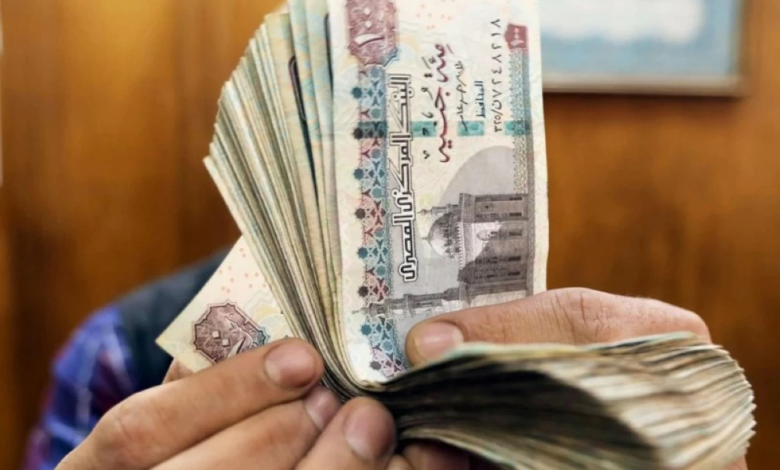

Remittances from Egyptians working abroad achieved an unprecedented surge and record flows during the first ten months of this year, recording about $33.9 billion, compared to about $23.7 billion during the same period last year, according to the latest data issued by the Central Bank of Egypt.
These figures reflect a full restoration of confidence in official banking channels, as the Central Bank explained in its statement issued today, Sunday, that remittances continued their upward trend on a monthly basis, as they increased during October 2025 by a rate of 26.2% to record about $3.7 billion, compared to about $2.9 billion in October 2024.
Strong and sustainable performance of transfers
This increase comes as a continuation of a series of consecutive rises, with remittances from Egyptians working abroad jumping significantly during the first nine months of this year by 45.1% to reach $30.2 billion, compared to $20.8 billion in the same period last year. September 2025 also saw growth of 30.9%, reaching $3.6 billion.
On a fiscal year basis, remittances recorded a remarkable growth of 66.2% during the fiscal year 2024-2025, reaching $36.5 billion, which represents strong support for the Egyptian balance of payments, compared to $21.9 billion in the previous fiscal year.
Positive implications for cash reserves
This surge in remittances coincided with Egypt's net foreign exchange reserves rising to a record high of $50.215 billion in November, an increase of $144 million from October's levels of $50.071 billion.
This steady growth in international reserves is attributed to the diversification and improvement of the country’s sources of foreign exchange, most notably remittances from expatriates, which are one of the most important sources of hard currency, in addition to increased exports and tourism flows.
The economic context and the importance of the event
These figures are particularly significant in light of the economic reforms adopted by the Egyptian government, specifically the decisions to unify the exchange rate and eliminate the parallel currency market. These policies have encouraged Egyptians abroad to channel their savings through legitimate channels (banks and exchange bureaus), thereby boosting dollar liquidity in the banking sector.
Remittances from Egyptians abroad play a pivotal role in the Egyptian economy, as they contribute directly to the stability of the Egyptian pound's exchange rate, provide the necessary financing for importing basic commodities and production inputs, as well as their role in bridging the financing gap and enhancing the state's financial solvency in front of international institutions.