
تأكيد مصري على متانة العلاقات مع الخليج
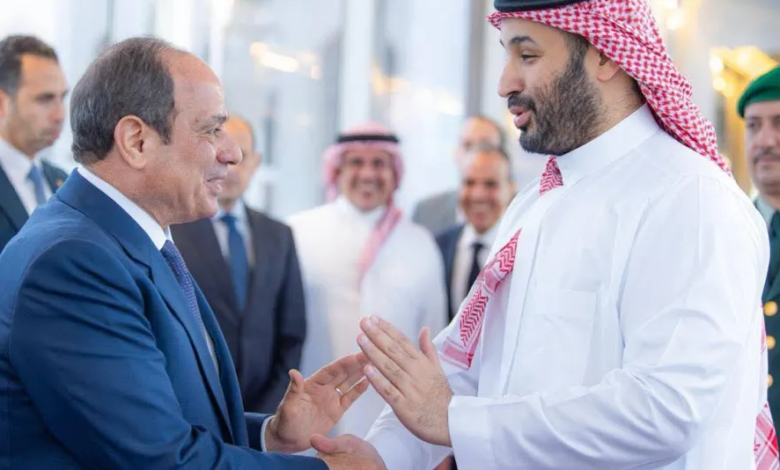
أكدت وزارة الخارجية المصرية في تصريحات خاصة لصحيفة «الشرق الأوسط» أن العلاقات المصرية الخليجية تمثل نموذجاً استثنائياً للروابط الأخوية، واصفة إياها بأنها «راسخة وصلبة» ولا يمكن النيل منها. وتأتي هذه التصريحات في ظل حرص القاهرة الدائم على التأكيد على متانة التحالف الاستراتيجي الذي يجمعها بدول مجلس التعاون الخليجي، والذي يعد ركيزة أساسية للأمن القومي العربي.
السياق التاريخي: جذور عميقة ومواقف مشرفة
تاريخياً، تتسم العلاقات بين جمهورية مصر العربية ودول الخليج العربي بالعمق والترابط الوثيق على المستويين الرسمي والشعبي. فقد وقفت دول الخليج، وعلى رأسها المملكة العربية السعودية ودولة الإمارات العربية المتحدة ودولة الكويت، إلى جانب مصر في العديد من المحطات التاريخية الفاصلة، وقدمت دعماً سياسياً واقتصادياً غير مسبوق، خاصة في أعقاب ثورة 30 يونيو 2013، مما ساهم في استقرار الدولة المصرية وتجاوزها للتحديات الصعبة. وفي المقابل، لم تتأخر مصر يوماً عن تلبية نداء الواجب تجاه أشقائها في الخليج، وهو ما تجلى بوضوح في مشاركتها الفعالة في حرب تحرير الكويت عام 1991، وتأكيد القيادة السياسية المصرية مراراً وتكراراً على المبدأ الثابت بأن أمن الخليج خط أحمر وجزء لا يتجزأ من الأمن القومي المصري.
الأهمية الاقتصادية والاستراتيجية المشتركة
على الصعيد الاقتصادي والاستراتيجي، تكتسب هذه العلاقات أهمية بالغة. فدول الخليج تعد من أكبر المستثمرين في السوق المصرية، حيث تضخ مليارات الدولارات في قطاعات حيوية مثل العقارات، الطاقة، الزراعة، والبنية التحتية. كما تستضيف دول مجلس التعاون الخليجي ملايين المصريين الذين يساهمون بجهودهم في مسيرة التنمية الخليجية، وتعد تحويلاتهم المالية رافداً مهماً للاقتصاد المصري. استراتيجياً، يمثل التنسيق المصري الخليجي حائط صد منيع أمام التدخلات الخارجية في الشؤون العربية، ويلعب دوراً حاسماً في مكافحة الإرهاب والتطرف، وتأمين الملاحة في البحر الأحمر ومضيق باب المندب، مما ينعكس إيجاباً على حركة التجارة العالمية.
التأثير الإقليمي والدولي للتحالف المصري الخليجي
إقليمياً ودولياً، ينظر المجتمع الدولي إلى التحالف المصري الخليجي باعتباره صمام أمان لمنطقة الشرق الأوسط التي تموج بالصراعات والأزمات. إن التوافق في الرؤى بين القاهرة وعواصم الخليج تجاه القضايا الإقليمية الملحة، مثل الأزمات في السودان، ليبيا، اليمن، والقضية الفلسطينية، يعزز من فرص التوصل إلى تسويات سياسية سلمية ويحد من تمدد النفوذ الأجنبي. هذا التلاحم يبعث برسالة طمأنة للداخل العربي ورسالة حزم لأي قوى إقليمية تحاول زعزعة استقرار المنطقة.
مصير مشترك في مواجهة التحديات
في الختام، تجدد تصريحات الخارجية المصرية التأكيد على حقيقة ثابتة مفادها أن الشراكة الاستراتيجية بين مصر ودول الخليج تتجاوز لغة المصالح المؤقتة لتصل إلى مستوى المصير المشترك. إن هذه العلاقات الراسخة والصلبة ستظل عصية على أي محاولات للتشكيك أو الوقيعة، مستندة إلى إرث سياسي وثقافي واجتماعي يضمن استمرارها وتطورها في مواجهة كافة التحديات المستقبلية.