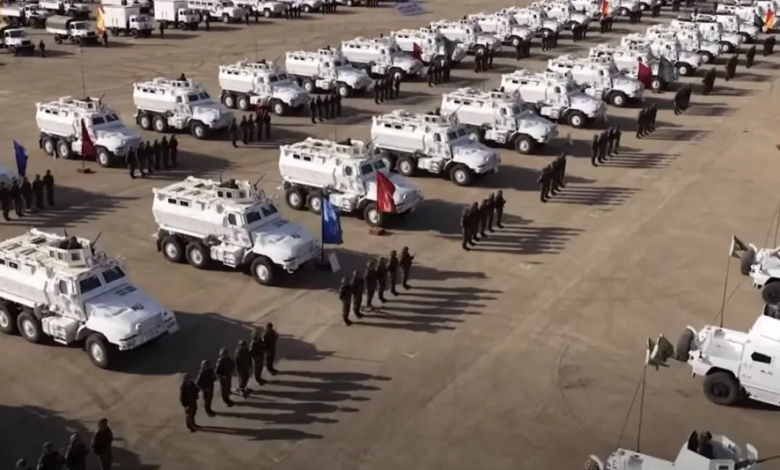

تتجه الأنظار الإقليمية والدولية صوب منطقة القرن الأفريقي، مع تزايد الحديث عن مشاركة قوات حفظ السلام المصرية في الصومال، كجزء من الترتيبات الأمنية الجديدة التي تلي انسحاب بعثة الاتحاد الأفريقي الانتقالية (أتميس). تأتي هذه الخطوة المرتقبة في توقيت بالغ الحساسية، حيث تسعى الحكومة الصومالية لفرض سيطرتها الكاملة على التراب الوطني ومكافحة حركة الشباب، بينما تسعى القاهرة لتعزيز حضورها الاستراتيجي في منطقة تمثل عمقاً حيوياً للأمن القومي المصري.
سياق تاريخي وعلاقات متجذرة
لم تكن العلاقات بين القاهرة ومقديشو وليدة اللحظة، بل تمتد لعقود طويلة من التعاون المشترك. لطالما كانت مصر داعماً رئيساً لاستقلال الصومال ووحدة أراضيه. وفي الآونة الأخيرة، شهدت العلاقات قفزة نوعية توجت بتوقيع بروتوكول تعاون عسكري بين البلدين، وزيارات متبادلة على أعلى مستوى بين الرئيس المصري عبد الفتاح السيسي ونظيره الصومالي حسن شيخ محمود. يأتي الحديث عن نشر قوات مصرية ضمن بعثة الاتحاد الأفريقي الجديدة (AUSSOM) التي ستبدأ مهامها في يناير 2025، كترجمة عملية لهذا التقارب، وكبديل للقوات الإثيوبية التي طالبت الحكومة الصومالية بمغادرتها.
الأهمية الاستراتيجية للحدث
تحمل مشاركة قوات حفظ السلام المصرية في الصومال دلالات استراتيجية عميقة تتجاوز مجرد الدعم العسكري التقليدي:
- حماية أمن البحر الأحمر: يعتبر استقرار الصومال، الذي يمتلك أطول ساحل في أفريقيا ويطل على خليج عدن، ركيزة أساسية لتأمين المدخل الجنوبي للبحر الأحمر وقناة السويس، وهو شريان حياة للاقتصاد المصري.
- تعزيز الدور الإقليمي: تعكس هذه الخطوة رغبة مصرية في استعادة دورها الريادي في القارة الأفريقية، وتحديداً في منطقة القرن الأفريقي التي تشهد تنافساً دولياً وإقليمياً محموماً.
- دعم الشرعية الصومالية: يمثل التواجد المصري دعماً مباشراً للحكومة الفيدرالية في مواجهة التحديات الداخلية والتهديدات الخارجية، مما يعزز من وحدة الأراضي الصومالية.
التحديات الأمنية واللوجستية
رغم الأهمية الاستراتيجية، فإن المهمة لا تخلو من تحديات جسيمة تواجه القوات المشاركة. أبرز هذه التحديات يتمثل في التهديدات المستمرة من قبل حركة الشباب، التي تتبنى تكتيكات حرب العصابات والهجمات المباغتة. بالإضافة إلى ذلك، تتطلب العملية تكاليف لوجستية ضخمة لتأمين خطوط الإمداد في بيئة جغرافية معقدة. كما أن المشهد الجيوسياسي المتوتر في المنطقة، خاصة الخلافات بين الصومال وإثيوبيا، يلقي بظلاله على طبيعة تشكيل القوات وتوزيع مهامها، مما يتطلب تنسيقاً دقيقاً مع الاتحاد الأفريقي والشركاء الدوليين لضمان نجاح المهمة وتحقيق الاستقرار المنشود.