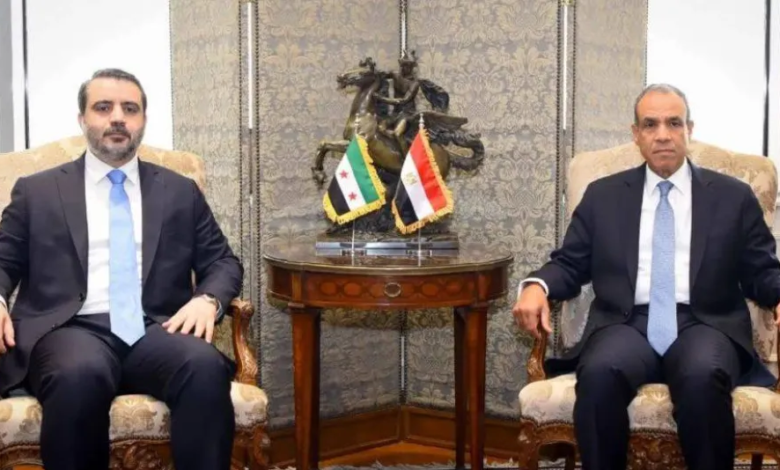

في خطوة تعكس التعقيدات التي لا تزال تكتنف مسار تطبيع العلاقات العربية مع دمشق، برزت مؤخراً عقبة دبلوماسية جديدة بين القاهرة ودمشق، تمثلت في تحفظات مصرية على اعتماد سفير سوريا الجديد المقترح، مما أدى إلى تعليق ترتيبات البعثة الدبلوماسية السورية بشكل كامل. هذا التطور يأتي بعد أكثر من عام على عودة سوريا إلى مقعدها في جامعة الدول العربية، وهي خطوة كانت مصر من أبرز داعميها، مما يثير تساؤلات حول مستقبل العلاقات الثنائية والمسار الدبلوماسي بين البلدين.
خلفيات العودة المتعثرة للعلاقات الدبلوماسية
تعود جذور الأزمة الدبلوماسية الحالية إلى ما بعد اندلاع الأزمة السورية في عام 2011، حيث قامت مصر، كغيرها من الدول العربية، بتخفيض مستوى تمثيلها الدبلوماسي في دمشق إلى قائم بالأعمال، كما تم تعليق عضوية سوريا في جامعة الدول العربية في العام ذاته. وظلت العلاقات على هذا النحو لأكثر من عقد من الزمان، اتسم بالقطيعة السياسية رغم استمرار بعض الروابط القنصلية والشعبية.
شهد عام 2023 تحولاً محورياً في الموقف العربي، حيث قادت جهود دبلوماسية، لعبت فيها القاهرة دوراً هاماً، إلى اتخاذ قرار تاريخي بعودة سوريا لشغل مقعدها في الجامعة العربية. جاء هذا القرار ليمهد الطريق أمام استئناف العلاقات الدبلوماسية الكاملة بين دمشق والعديد من العواصم العربية، وكان يُنظر إلى تبادل السفراء بين مصر وسوريا على أنه تتويج لهذا المسار التصالحي.
من هو سفير سوريا الجديد الذي أثار التحفظات؟
وفقاً لمصادر دبلوماسية متطابقة، فإن التحفظات المصرية تتعلق بالمرشح الذي قدمته دمشق لشغل منصب السفير. وتشير التقارير إلى أن هذه التحفظات لا تتعلق بشخص المرشح بقدر ما ترتبط بمسيرته المهنية والمناصب التي شغلها سابقاً، خاصة خلال سنوات الأزمة السورية. وتتعامل القاهرة بحساسية مع هذا الملف، حيث تضع معايير دقيقة للمسؤولين الذين سيمثلون دمشق على أراضيها، بما يتماشى مع رؤيتها لمستقبل الحل السياسي في سوريا ودورها الإقليمي.
هذا التأخير في اعتماد سفير سوريا الجديد لا يعني تراجعاً عن قرار تطبيع العلاقات، ولكنه يعكس رغبة مصرية في أن تكون عودة العلاقات مبنية على أسس واضحة تضمن عدم وجود أي عوائق مستقبلية، وتتوافق مع المصالح الأمنية والسياسية لكلا البلدين. وتنتظر الأوساط الدبلوماسية حالياً الخطوة التالية من دمشق، والتي قد تتمثل في اقتراح اسم جديد يحظى بقبول القاهرة لإنهاء هذا الجمود.
التداعيات على المشهد الإقليمي
يحمل هذا التعثر الدبلوماسي دلالات هامة على الصعيد الإقليمي. فهو يوضح أن عودة سوريا إلى الحضن العربي ليست مجرد خطوة شكلية، بل هي عملية معقدة تتطلب توافقات ومعالجة للكثير من الملفات الشائكة الموروثة من سنوات الحرب. كما يسلط الضوء على أن الدول العربية، وفي مقدمتها مصر، ما زالت تتعامل بحذر مع النظام السوري، وتربط التطبيع الكامل بخطوات ملموسة على مسارات مختلفة، بما في ذلك الحل السياسي وعودة اللاجئين ومكافحة الإرهاب.
في المحصلة، يبقى مصير البعثة الدبلوماسية السورية في القاهرة معلقاً بانتظار حل هذه الإشكالية، والتي ستكون اختباراً حقيقياً لمدى جدية ورغبة الطرفين في طي صفحة الماضي وفتح فصل جديد من العلاقات الاستراتيجية التي طالما ربطت بين مصر وسوريا.