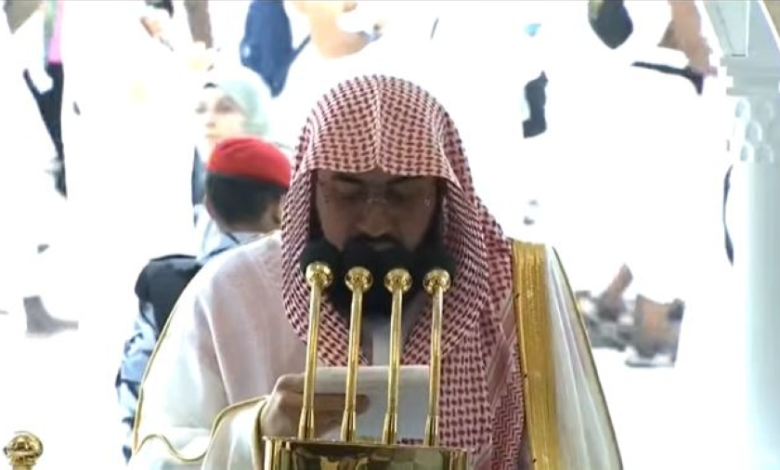

شهد المسجد الحرام بمكة المكرمة، أقدس بقاع الأرض، توافد ملايين المصلين لأداء صلاة عيد الأضحى المبارك، في مشهد إيماني مهيب يعكس وحدة الأمة الإسلامية وتلاحمها. وقد ألقى فضيلة الشيخ الدكتور بندر بن عبد العزيز بليلة، إمام وخطيب المسجد الحرام، خطبة العيد التي حملت في طياتها رسائل إيمانية عميقة ودعوات صادقة للحجاج وللقيادة الرشيدة في المملكة العربية السعودية.
استهل الشيخ بليلة خطبته بالدعاء للحجاج الذين أتموا مناسكهم، سائلاً المولى عز وجل أن يتقبل منهم حجهم، ويغفر لهم ذنوبهم، وييسر لهم أمورهم، ويعينهم على إتمام مناسكهم بيسر وطمأنينة. وتأتي هذه الدعوات في سياق الدور العظيم الذي تقوم به المملكة العربية السعودية، بقيادة خادم الحرمين الشريفين وسمو ولي عهده الأمين، في خدمة ضيوف الرحمن وتوفير كل سبل الراحة والأمان لهم، وهو ما يعد امتداداً لدورها التاريخي في رعاية الحرمين الشريفين وخدمة قاصديهما.
ووجه فضيلته رسالة للحجاج من منبر المسجد الحرام، حثهم فيها على إتمام مناسكهم على الوجه الذي جاء في كتاب ربهم وسنة نبيهم محمد صلى الله عليه وسلم. كما دعاهم إلى شكر الله سبحانه وتعالى على نعمة التوحيد والسنة، التي منّ الله بها على الأمة، مؤكداً على أهمية الأخوة والمحبة بين المسلمين، وأن يكونوا عباد الله إخواناً متحابين متآخين. هذه الدعوة للأخوة والتآلف تعكس جوهر الإسلام الذي يدعو إلى الوحدة ونبذ الفرقة، خاصة في هذه الأيام المباركة التي يجتمع فيها المسلمون من كل فج عميق.
وأكد الشيخ بليلة أن أفضل أيام العام هو يوم النحر (عيد الأضحى)، مشيراً إلى أن بعض العلماء يرى أن يوم عرفة هو الأفضل، لكن الرأي الصحيح هو يوم النحر لما فيه من أعمال عظيمة لا تُعمل في غيره. وذكر من هذه الأعمال الوقوف بمزدلفة، ورمي جمرة العقبة وحدها، والنحر، والحلق، وطواف الإفاضة. هذه الشعائر تمثل ذروة مناسك الحج وتجسد معاني التضحية والفداء والامتثال لأوامر الله، وتذكر المسلمين بقصة نبي الله إبراهيم عليه السلام وابنه إسماعيل.
وفي ختام خطبته، رفع الشيخ الدكتور بندر بليلة أكف الضراعة بالدعاء للقيادة السعودية، قائلاً: “اللهم أيد بالحق والتوفيق والتسديد إمامنا وولي أمرنا خادم الحرمين الشريفين، وأطل عمره في صحة وعافية ونعمة سابغة. اللهم وفقه وولي عهده الأمين لما فيه صلاح للبلاد والعباد.” هذا الدعاء يعكس العلاقة الوثيقة بين القيادة والشعب في المملكة، ويبرز الدور المحوري للقيادة في حفظ الأمن والاستقرار وتوفير البيئة المناسبة لأداء الشعائر الدينية. كما دعا فضيلته لرجال الأمن البواسل وكل العاملين في شتى الميادين، الذين يبذلون جهوداً جبارة لضمان سلامة وراحة الحجاج والمعتمرين، مؤكداً على أن هذه الجهود هي جزء لا يتجزأ من خدمة الحرمين الشريفين.
إن هذه الخطبة، التي ألقيت من قلب العالم الإسلامي، تحمل في طياتها رسائل ذات أبعاد محلية وإقليمية ودولية. فعلى الصعيد المحلي، تعزز الخطبة قيم الولاء والانتماء وتؤكد على أهمية التلاحم بين القيادة والشعب. إقليمياً ودولياً، تبرز الخطبة الدور الريادي للمملكة العربية السعودية في خدمة الإسلام والمسلمين، وتؤكد على التزامها بنشر رسالة السلام والوحدة من خلال تنظيم أكبر تجمع بشري سنوي في العالم، وهو موسم الحج. كما أن الدعاء للقيادة ورجال الأمن يعكس التقدير للجهود المبذولة في سبيل استقرار المنطقة والعالم الإسلامي، ويؤكد على أن الأمن والرخاء هما أساس التنمية والتقدم.