Weather forecast for the first day of Eid in Saudi Arabia: Heavy rain and strong winds

With the arrival of Eid al-Fitr, citizens and residents of Saudi Arabia turn their attention to the National Center for Meteorology's reports to learn about the weather forecast for the first day of Eid , in order to plan their time and travel during this joyous occasion. The Kingdom is characterized by its unique geographical and climatic diversity, which causes weather conditions to vary drastically from one region to another, especially during transitional periods such as spring, which often witnesses rapid weather changes including rainfall and strong winds.
Weather details for the first day of Eid: rain and cold
According to a report issued by the National Center for Meteorology, relatively cool weather is expected on the first day of Eid al-Fitr, particularly during the night and early morning hours in the northern regions of the Kingdom and the southwestern highlands. In contrast, the weather will be mild and pleasant in the rest of the Kingdom, providing suitable conditions for morning celebrations and family visits.
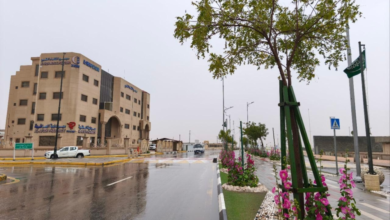
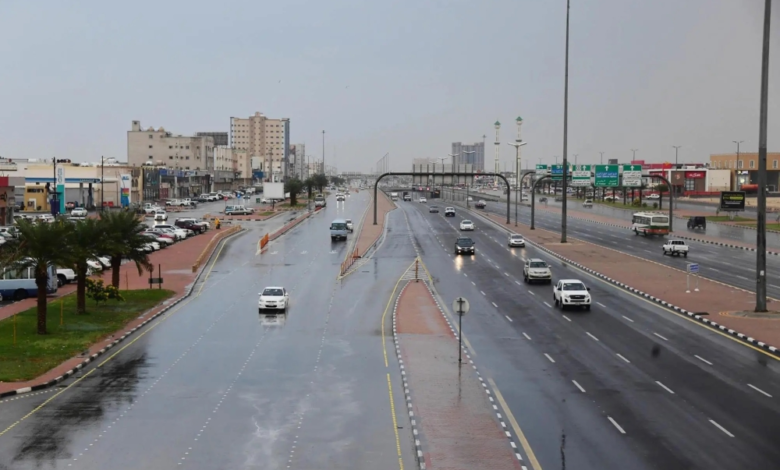
The center forecasts moderate to heavy rainfall across a wide area, including Riyadh, the Eastern Province, Qassim, Makkah, Madinah, Hail, and Najran. This rainy weather system also extends to the highlands of Asir, Jazan, and Al-Baha, as well as parts of the Northern Borders, Al-Jawf, and Tabuk regions. These spring rains will enhance vegetation and add to the beauty of the region, but caution is advised while driving.
Wind activity and fog formation
In addition to the rain, meteorologists expect significant surface wind activity that will stir up dust and sand during the daytime. This activity will be concentrated in the regions of Tabuk, Al-Jawf, the Northern Borders, Hail, Al-Qassim, and the eastern parts of the Makkah and Madinah regions, as well as the western parts of the Riyadh region. This activity may lead to reduced horizontal visibility on some open and express roads.
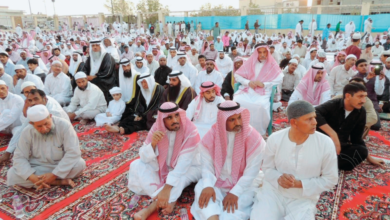
The report also indicated that there are opportunities for dense fog to form in the early morning hours in the Eastern Province, and parts of the Northern Borders and Al-Jawf regions, in addition to the highlands of Asir, Al-Baha and Makkah, which requires caution and vigilance on the part of drivers heading to perform the Eid prayer.
The Eid atmosphere
is rainy,
cold
, foggy
, and windy.
Experience it in a "safe and stable homeland."
For details, see pic.twitter.com/fufF98HcIW— National Center of Meteorology (NCM) (@NCMKSA) March 19, 2026
Local and regional impact of the weather conditions
At the local level, the weather on the first day of Eid directly impacts domestic tourism and event planning. Mountainous regions like Asir and Al-Baha attract visitors seeking cooler, rainier weather, while the central and eastern regions require careful planning for outdoor events to avoid dust storms or heavy rain. The General Directorate of Civil Defense consistently emphasizes the importance of staying away from valleys and floodplains during these periods to ensure everyone's safety.
Regionally, the accuracy of weather forecasts issued by the Saudi National Center for Meteorology plays a vital role in the safety and security of air navigation and travel, especially with the increased number of passengers using Saudi airports during the Eid al-Fitr holiday. The Kingdom's advanced meteorological infrastructure is a significant contributor to the regional and international system for tracking climate change and providing early warnings of extreme weather events.
In conclusion, it is recommended to follow the continuous updates issued by official authorities to ensure a safe and enjoyable Eid holiday, and to enjoy the diverse spring weather that various regions of the Kingdom are experiencing.