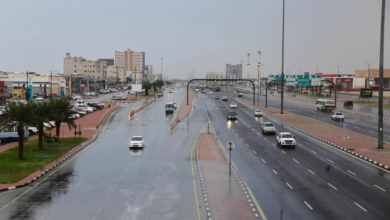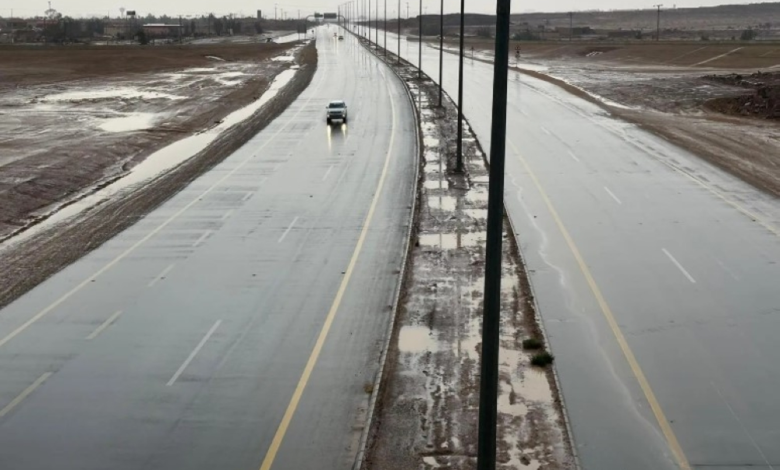

The National Center for Meteorology in Saudi Arabia issued weather forecast for Eid al-Fitr 1447 AH, corresponding to the period from March 20 to 23. The center predicted moderate to heavy rainfall across large parts of the Kingdom, urging caution and vigilance during the holiday period, which typically sees widespread travel between cities and provinces to celebrate Eid.
Details of the rainfall situation and the affected areas
According to the official report, seven major regions are expected to experience varying intensities of rainfall. These regions include Riyadh, the Eastern Province, Qassim, Makkah, Madinah, Hail, and Najran. Rainfall is also expected in the mountainous areas of Asir, Jazan, and Al-Baha, as well as scattered areas of the Northern Borders, Al-Jawf, and Tabuk regions. This widespread rainfall reflects the broad scope of weather fluctuations affecting the Kingdom's vast geography.
Climatic context: The nature of weather fluctuations in March
Historically and climatologically, March is part of the spring transition period in the Arabian Peninsula, a time known for its frequent and sometimes sharp weather changes. At this time of year, warm air masses collide with cold air masses, leading to the formation of thunderstorms and increased wind activity. This scientific context explains the current forecasts from the National Center of Meteorology and underscores the importance of monitoring weather bulletins daily to avoid unexpected weather events.
Lower temperatures and chances of fog formation
In addition to the rain, the weather forecast indicates relatively cool conditions during the night and early morning hours, particularly in the northern regions of the Kingdom and the southwestern highlands. In contrast, the weather is expected to be mild in the rest of the country. Regarding horizontal visibility, there is a chance of dense fog forming in the Eastern Province, parts of the Northern Borders region, Al-Jawf, and the highlands of Asir, Al-Baha, and Makkah. This fog requires drivers to exercise extreme caution, especially during the early morning hours when travel is most frequent.
Surface wind activity and its effect on visibility
Among the weather phenomena associated with the Eid holiday is the activity of surface winds that will stir up dust and sand during the daytime. This activity will be concentrated in the regions of Tabuk, Al-Jawf, the Northern Borders, Hail, Al-Qassim, and the eastern parts of Makkah and Madinah, extending to the western parts of the Riyadh region. This wind activity may lead to a significant decrease in horizontal visibility on open highways.
The impact of weather conditions on Eid celebrations and safety guidelines
These forecasts are of great importance locally, as the Eid al-Fitr holidays are associated with a significant increase in intercity road travel, outdoor recreational activities, and family gatherings in parks. To ensure everyone's safety, the National Center of Meteorology stressed the importance of adhering to the instructions of the Civil Defense and other relevant authorities, avoiding floodplains and valleys, and driving with extreme caution. The Center also urged all citizens and residents to obtain information from official sources through its website and smart applications to receive real-time and reliable updates.