Eid customs and traditions in Saudi Arabia and the Gulf: Heritage and authenticity

Islamic holidays are among the most important occasions celebrated by Arab peoples, and Saudi Arabia and the Gulf states by unique festive traditions and rituals that reflect the depth of their cultural heritage. The customs and traditions of these holidays embody an authentic folk heritage passed down from generation to generation, linking the present with the past in a cohesive social tapestry.
General context and historical background of Eid celebrations
Historically, Eid celebrations in the Arabian Peninsula were deeply intertwined with the local environment, whether desert, coastal, or mountainous. In the past, preparations began weeks in advance, with new clothes being sewn by hand and food prepared using local produce. Despite the tremendous urban and economic development witnessed in the Gulf states, Gulf societies have remained committed to their roots, preserving the essence of Eid: strengthening family ties, fostering social solidarity, and honoring guests. This has made Eid a cultural bridge, transmitting noble values to younger generations.
Eid celebrations in Saudi Arabia: Authenticity and generosity
In Saudi Arabia , the festive atmosphere begins with preparing and decorating homes, and filling them with fragrant scents like oud, incense, and musk to welcome well-wishers. After performing the Eid prayer, families head to the "big house" (the home of the grandfather or the head of the family) for a communal breakfast featuring delicious traditional dishes. "Eidiya" (Eid gifts) is also a major part of the celebration for children, who receive money and sweets amidst an atmosphere of joy and happiness.
Eid rituals in the UAE and Oman
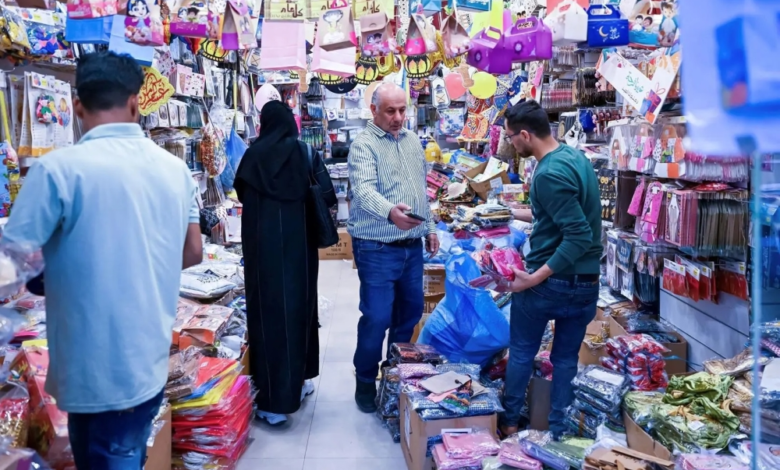
In the United Arab Emirates, the Eid cannon stands out as a historical and joyous symbol announcing the arrival of the occasion, a tradition eagerly awaited by children. Women adorn themselves with traditional henna designs, while men participate in the popular Razfa dance, expressing pride and celebration. In Oman, the country is unique in its "Habta" markets, held towards the end of Ramadan, where livestock and Eid necessities are sold. Omani tables are distinguished by the preparation of "Mathbi" and "Omani Shuwa," which is buried underground for many hours to acquire its unique flavor.
Eid celebrations in Kuwait, Qatar, and Bahrain
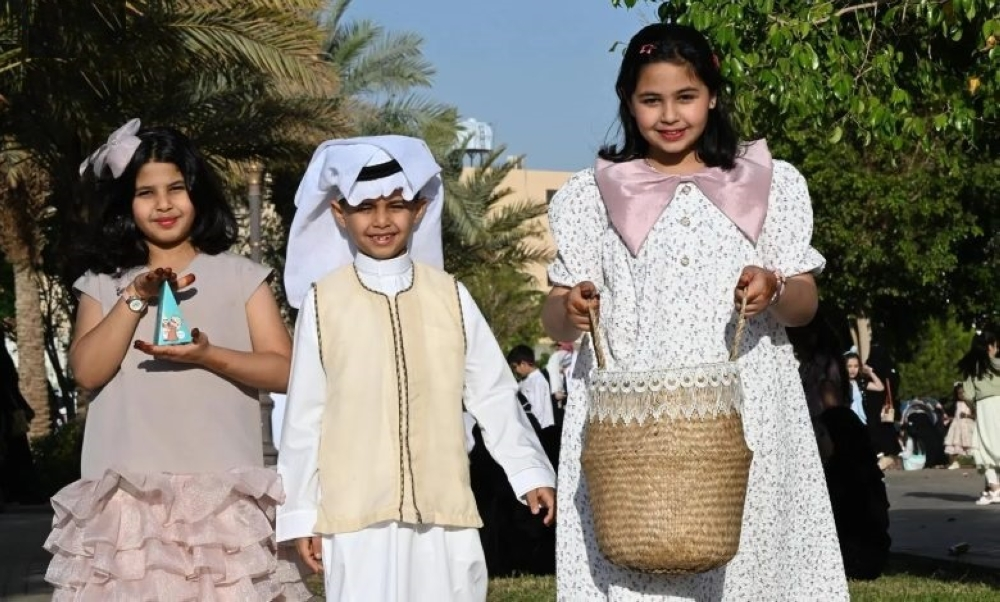
In Kuwait, children cherish traditional songs like "Bagar Al Eid" (Tomorrow is Eid) and enjoy riding swings and horse-drawn carriages in public squares. Meanwhile, the rich Qatari feasts, laden with traditional dishes and women's songs, and the Bahraini "Qudou'"—a tray of hospitality filled with sweets, Arabic coffee, and sambusas—complete the story of Eid in the Arabian Gulf.
The importance of the event and its expected impact
The importance of these customs extends far beyond mere celebration; they have profound effects on multiple levels. Locally , these traditions play a pivotal role in strengthening family ties and reinforcing the social fabric. Regionally , these shared customs contribute to solidifying a unified Gulf identity and highlighting the cultural affinity among the peoples of the region. Internationally , preserving this living heritage enhances the Gulf states' standing as destinations for cultural tourism, presenting the world with a shining image of tolerance, generosity, and adherence to authentic Islamic and human values.