
مرة أخرى، تختلط فرحة عيد الأضحى المبارك في اليمن بصوت الرصاص ودماء الأبرياء، خاصة في المناطق الخاضعة لسيطرة جماعة الحوثي. هذه الحوادث المأساوية، التي تحول مناسبة دينية للسلام والبهجة إلى ساحة للعنف، لم تعد مجرد أحداث عرضية، بل أصبحت مؤشراً واضحاً على عمق فشل الحوثيين في بناء دولة مستقرة وتطبيع الحياة المدنية بعد سنوات من الانقلاب والحرب.
خلفية الصراع وتأثيره على النسيج الاجتماعي
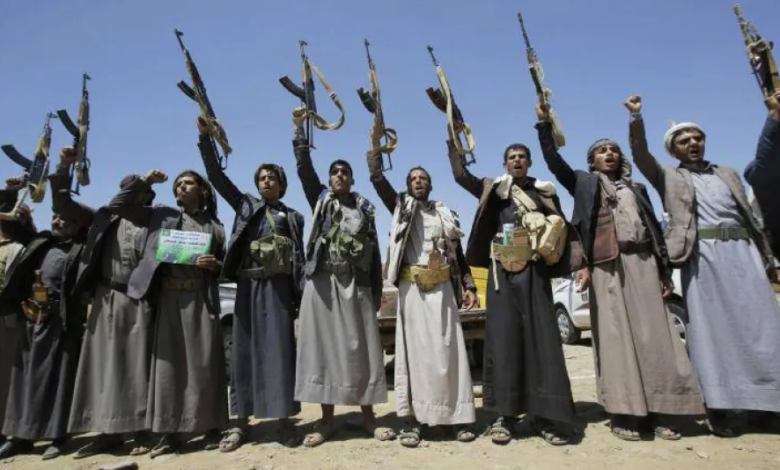
منذ سيطرة جماعة الحوثي على العاصمة صنعاء في سبتمبر 2014 وما تلاها من توسع عسكري، شهد المجتمع اليمني تحولات جذرية. عملت الجماعة بشكل ممنهج على تفكيك مؤسسات الدولة الرسمية، واستبدالها بهياكل أمنية وعسكرية موازية قائمة على الولاء الأيديولوجي. هذا النهج أدى إلى انتشار السلاح بشكل غير مسبوق خارج سيطرة الدولة، حيث أصبح امتلاك السلاح واستخدامه وسيلة لحل النزاعات الشخصية وفرض النفوذ، في ظل غياب سلطة قضائية وقانونية فاعلة ومحايدة.
لقد أدت سنوات الحرب والخطاب التحريضي المستمر إلى عسكرة المجتمع، حيث تم تمجيد العنف وإضفاء الشرعية عليه كوسيلة لتحقيق الأهداف. هذا المناخ العام انعكس سلباً على سلوكيات الأفراد، فباتت ثقافة التسامح والحوار التي كانت تميز المجتمع اليمني تتآكل تدريجياً لتحل محلها لغة القوة والسلاح، وهو ما يظهر جلياً في تكرار جرائم القتل خلال الأعياد والمناسبات الاجتماعية لأسباب تبدو في كثير من الأحيان تافهة.
مظاهر فشل الحوثيين في فرض الأمن المدني
تتجلى أبرز مظاهر الفشل في عجز الأجهزة الأمنية التابعة للحوثيين عن توفير الحماية للمواطنين. فبينما تركز هذه الأجهزة جهودها على قمع المعارضين السياسيين وتثبيت دعائم سلطتها، فإنها تتجاهل إلى حد كبير مهامها الأساسية في مكافحة الجريمة وحماية الأرواح والممتلكات. المواطن في صنعاء وغيرها من المدن لا يشعر بالأمان، فغياب القانون الرادع وانتشار السلاح يجعلان حياته مهددة في أي لحظة.
إن حوادث العنف في العيد، سواء كانت ناتجة عن إطلاق النار العشوائي احتفالاً أو بسبب خلافات شخصية، تكشف عن حقيقة أن سلطة الحوثيين هي سلطة أمر واقع عسكرية، تفتقر إلى القدرة والرؤية اللازمة لإدارة مجتمع مدني متنوع. إنها تنجح في فرض سيطرتها بالقوة، لكنها تفشل في كسب ثقة المجتمع وتوفير أبسط متطلبات الحياة الكريمة، وعلى رأسها الأمن.
تداعيات محلية وإقليمية لغياب الدولة
على المستوى المحلي، يؤدي هذا الانفلات الأمني إلى تعميق الأزمة الإنسانية، حيث يعيش السكان في حالة من الخوف والقلق الدائم، مما يعيق أي محاولة للتعافي الاقتصادي أو الاجتماعي. كما أنه يقوض السلم الاجتماعي ويزرع بذور ثارات وصراعات مستقبلية قد تستمر لأجيال. أما على الصعيد الإقليمي، فإن استمرار حالة الفوضى في مناطق سيطرة الحوثيين يجعل من اليمن بؤرة لعدم الاستقرار، مما يهدد أمن الملاحة الدولية والجوار الإقليمي. إن الفشل في بناء دولة حقيقية في الداخل هو ما يدفع الجماعة إلى تصدير أزماتها إلى الخارج، في محاولة لصرف الأنظار عن عجزها الإداري والأمني المتفاقم.