Ekitiki speaks about the virtues of Ramadan and its spiritual and familial impact

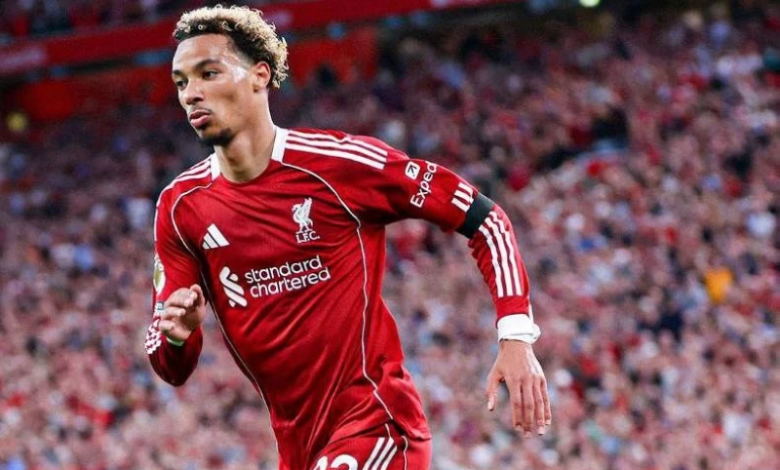
In a remarkable statement reflecting the spiritual and human side of the lives of global football stars, Ekitiki, the prominent name associated with Liverpool FC, emphasized that the holy month of Ramadan is a significant annual event for him, not only religiously, but also socially and psychologically. The player explained that the obligation of fasting grants him a profound sense of tranquility and brings him closer to the teachings of his faith and his family, despite the challenges of playing professionally in major European leagues.
The spiritual dimension and its impact on athletic performance
Ekitiki's comments highlight a growing phenomenon in European football, where many Muslim players are keen to observe the fast during Ramadan while also engaging in demanding matches and training sessions. Psychologists and sports experts point out that the spiritual dimension of Ramadan provides players with mental stability and willpower that can compensate for, and even surpass, the temporary decrease in physical energy resulting from fasting. For players like Ekitiki, Ramadan is an opportunity to renew their intentions and strengthen their self-discipline, which positively impacts their commitment both on and off the pitch.
Challenges of fasting in European stadiums
Historically, Muslim players in Europe have faced significant challenges in balancing fasting with the demands of high-level professionalism, but the landscape has changed dramatically in recent years. Major clubs, including those in the English Premier League, have become more understanding and professional in addressing this religious obligation. Clubs now provide nutritionists who create precise meal plans for suhoor and iftar to ensure energy and hydration levels are maintained, helping stars like Ekitiki perform at their best without compromising their religious duties.
Ramadan and family ties in exile
Ekitiki highlighted a crucial point regarding "family," an aspect that resonates deeply with many expatriate players. The month of Ramadan serves as an emotional bridge, connecting players to their roots and family traditions, even if they are geographically distant from their homelands. Recalling the atmosphere of Ramadan, connecting with family, and gathering—even virtually—for the Iftar meal provides players with a tremendous morale boost and alleviates the pangs of homesickness, contributing to the psychological stability necessary for success in a fiercely competitive environment like English football.
Cultural influence of Muslim football stars
The significance of these statements extends beyond the player's personal life, encompassing a broader cultural impact. The success of Muslim players at international clubs, coupled with their commitment to their identity, sends positive messages about coexistence and respect for diverse cultures. In recent seasons, we have witnessed remarkable initiatives in English stadiums, such as pausing matches for a few minutes to allow players to break their fast, reflecting a significant step forward in embracing cultural and religious diversity within the global sporting community.